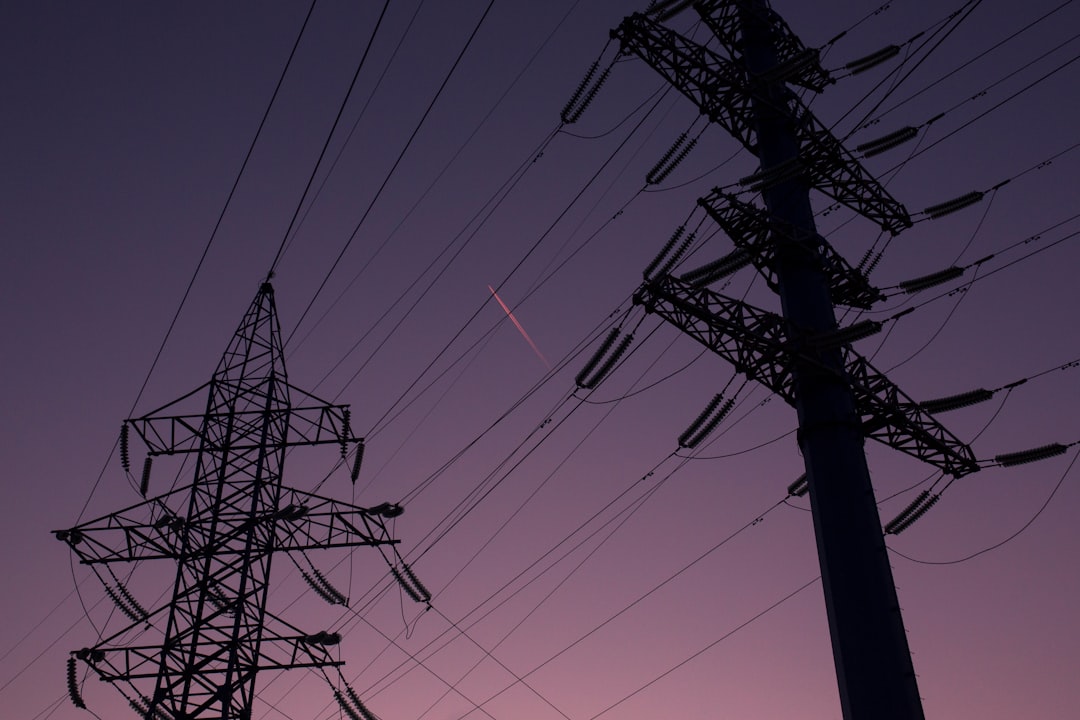
The energy transition just got a lot more complicated. While the Middle East conflict has dominated headlines with oil price swings, a quieter but potentially more consequential story is unfolding on the American electrical grid: artificial intelligence is about to overwhelm it.
According to OilPrice.com, "The energy transition was the first trend to put the electric grid in the spotlight. Built for baseload generation rather than a swarm of wind and solar installations scattered all over the country, the grid and its expansion to incorporate more wind and solar became the main topic of transition discussions. Then came AI, and the conversation suddenly became really urgent."
The problem is straightforward but urgent: the grid needs massive expansion to handle both renewable energy integration and the explosive growth of AI data centers. But as OilPrice.com notes, "There is one pressing question, however. Who will pay for that expansion?"
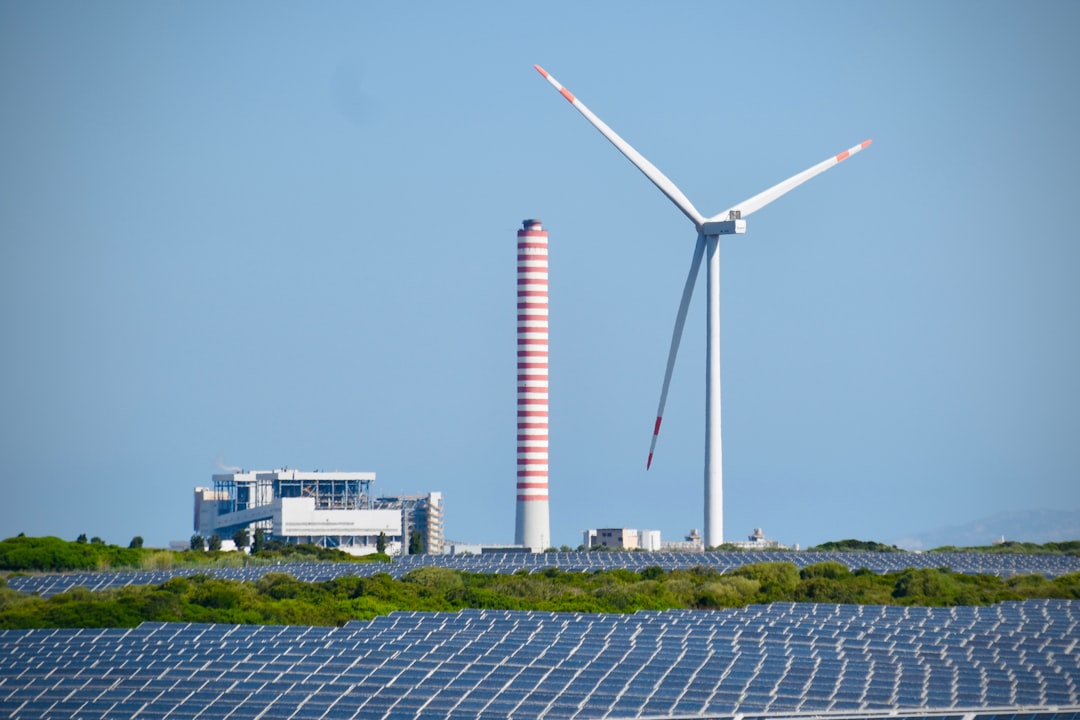
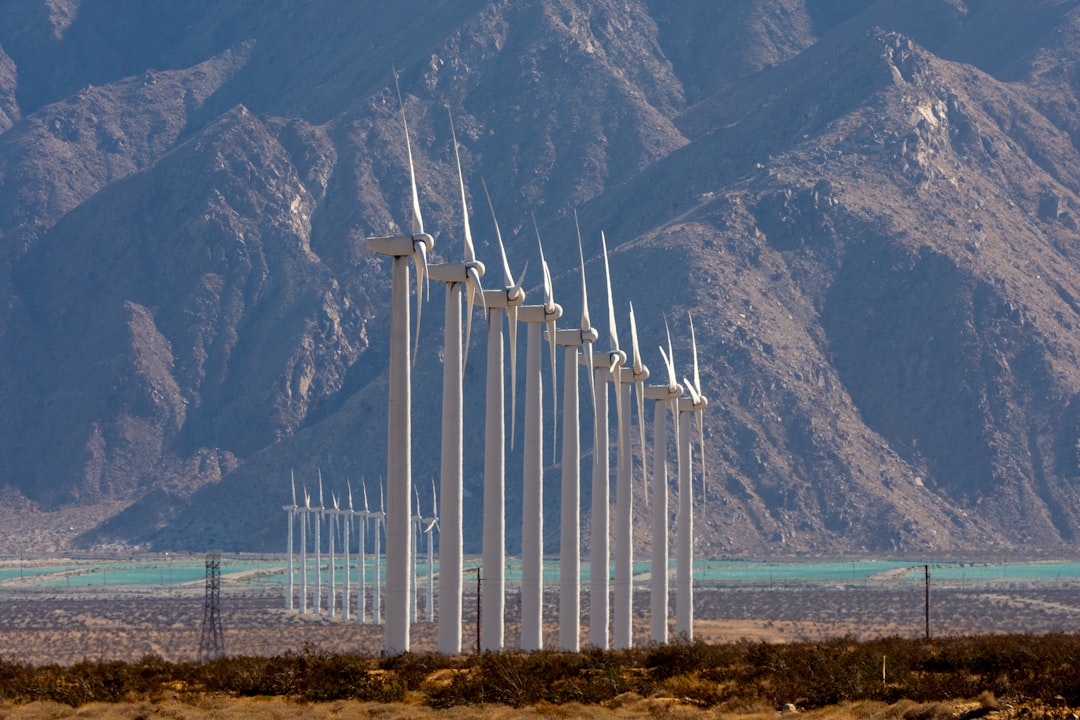
This infrastructure crisis arrives at a moment when renewable energy deployment is accelerating globally. Bloomberg reported that "Chinese Turbine Suppliers Seize the Spotlight as Global Wind Power Installations Hit All-Time High," according to a BloombergNEF report from March 9. Meanwhile, Bloomberg also highlighted that "Surprise Solar Uptake in Pakistan Cushions Mideast Energy Shock" on March 17, suggesting that renewable energy is increasingly viewed as a hedge against geopolitical volatility in oil-producing regions.
The grid expansion question becomes even more pressing when considering the scale of current energy infrastructure investments. Reuters reported on March 16 that "India may soften new grid-supply rules for renewable power producers," signaling that policymakers worldwide are grappling with how to integrate distributed renewable generation at unprecedented scales.
The Renewable Momentum Continues Despite Headwinds
Despite the grid challenges, renewable energy development is moving forward on multiple fronts. According to Recharge News, "America's 'forever first' offshore wind array completes construction" as of March 16, marking a significant milestone for U.S. offshore wind development. The project demonstrates that large-scale renewable infrastructure is advancing even as the broader grid expansion debate intensifies.
On the solar front, innovation continues at the residential level. PV Magazine International reported on March 16 that "Pii Energy unveils plug-in 1.2 kW solar, 2 kWh home system," showing that distributed solar technology is becoming more accessible and modular for homeowners.
However, not all renewable development is proceeding smoothly. Recharge News reported on March 16 that "Third GE turbine blade breaks off at troubled wind farm," highlighting operational challenges that persist in the wind sector even as installations reach record levels.