

Renewables
Korean Renewables Pass Coal, Grid Lags
South Korea's renewable fleet has edged past its coal fleet on paper. Whether it ever out-generates coal depends on transmission lines that take a decade to build.
Critical minerals, claims, commodities, and the operations reshaping the global supply chain. Coverage spans the majors, the juniors, and the geopolitical competition driving it all.
Edited by the Stake & Paper Editorial Team — 480 stories in the archive, updated daily.
Subscribe to MiningThe mining sector sits at the center of the global energy transition, supplying the critical minerals -- lithium, copper, cobalt, rare earths, and uranium -- that underpin electrification and grid-scale storage. Our coverage follows exploration activity, permitting timelines, commodity price swings, and the geopolitical competition for mineral supply chains. From major producers to junior explorers, this section tracks the operational and financial forces reshaping the industry.
The final session of the week gave traders a clear read on how energy producers, miners and renewable names are positioned heading into the weekend.
South Korea's renewable fleet has edged past its coal fleet on paper. Whether it ever out-generates coal depends on transmission lines that take a decade to build.
Thursday's settlement is best read through its top and bottom performers, with oil, miners and renewables each telling a separate story.
Newmont put a capital price on its Red Chris underground block cave, while New Found Gold, Boroo, Southern Copper and Aura Energy each moved a project closer to a funding decision.
NASA-ISRO's NISAR now gives away radar coverage of nearly all of Earth's land. The scarce asset in energy and mining geospatial is the authoritative model underneath.
Every unpatented mining claim across all twelve BLM states. Leadfile audits, due diligence, site selection, regional prospecting, entity investigations, and AOI monitoring — delivered as complete report packages.
Cornish Metals asks shareholders to back a deeply discounted equity raise for South Crofty, while rare earths, uranium, gold, lithium and quartz projects line up their own financing.
The Justice Department wants Avangrid's New England Wind approval sent back to Interior, the fourth offshore wind permit it has targeted in recent weeks. A Senate permitting deal may not survive the fight.
Hudbay and Mitsubishi approve Arizona's Copper World, while Cornish Metals, Phoenix Tailings, Aclara, Aura Energy, Lithium Africa and a US seabed auction show how critical-minerals projects are funded and contested.

The first session of the week left oil majors, miners and clean-energy funds each telling their own story, with the day's extremes coming from individual names.

ArcGIS Pro now reads commercial hyperspectral imagery natively, just as a second Tanager satellite begins imaging. Exploration geologists can screen for minerals from a desk, within limits.
Ivanhoe Electric is negotiating copper sales from Santa Cruz while Barrick slows Reko Diq, and Volta Metals expands its Springer rare earths resource.
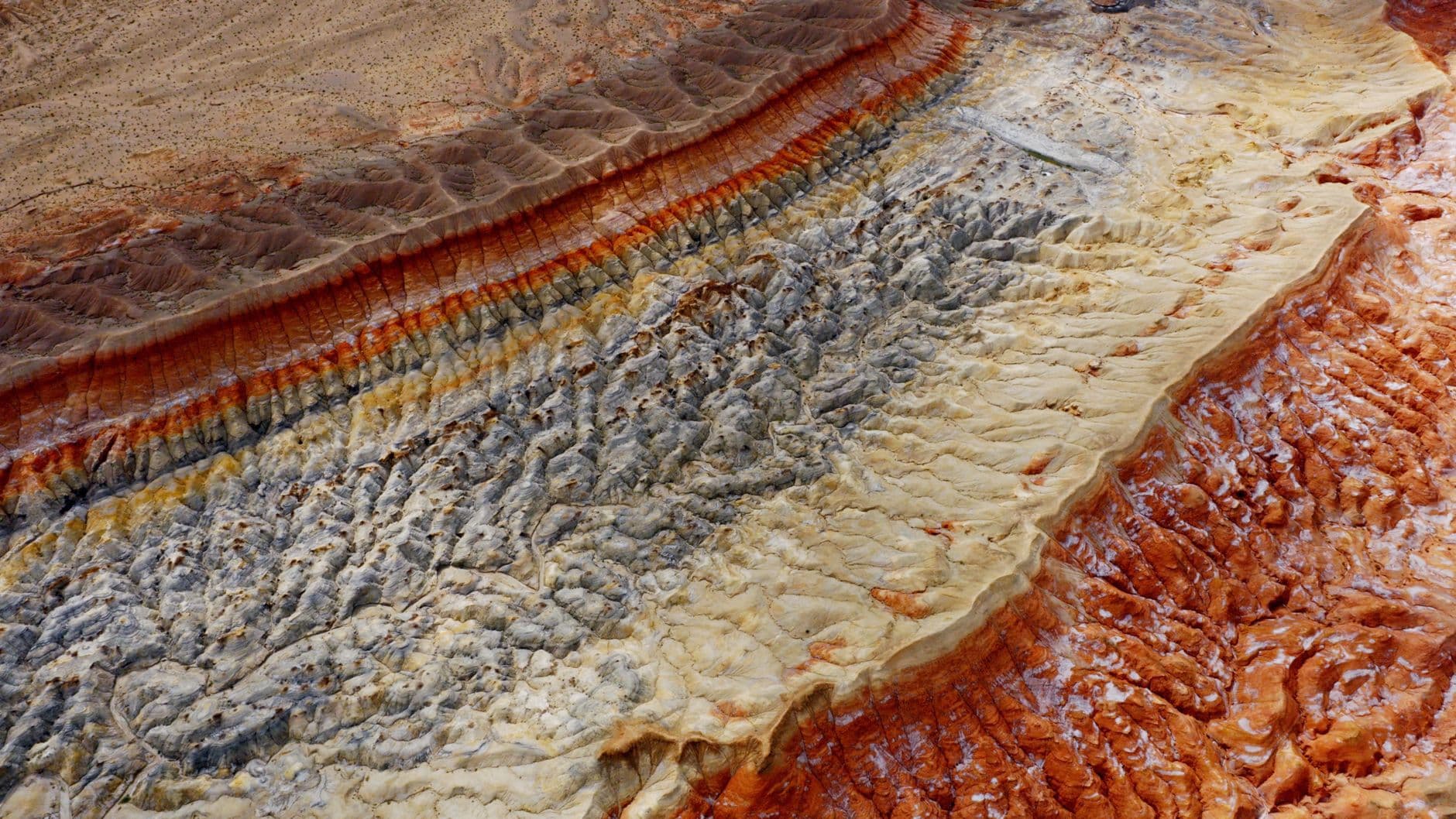
NASA and USGS are scanning the American West for critical minerals from a U-2 variant at the edge of space. The spectra are real, but only a rock hammer and a drill bit can prove what they show.
Smelters are now paying miners to take their concentrate, and BHP's Alaska staking shows where some of the next supply may come from. The 2027 benchmark talks at LME Week will test how long the arrangement lasts.
Vale Base Metals has handed control of its Thompson nickel complex in Manitoba to an Exiro-led group, while Project Vault prepares its first loans and gold developers in Nevada, Manitoba, Senegal and beyond report drill and study results.
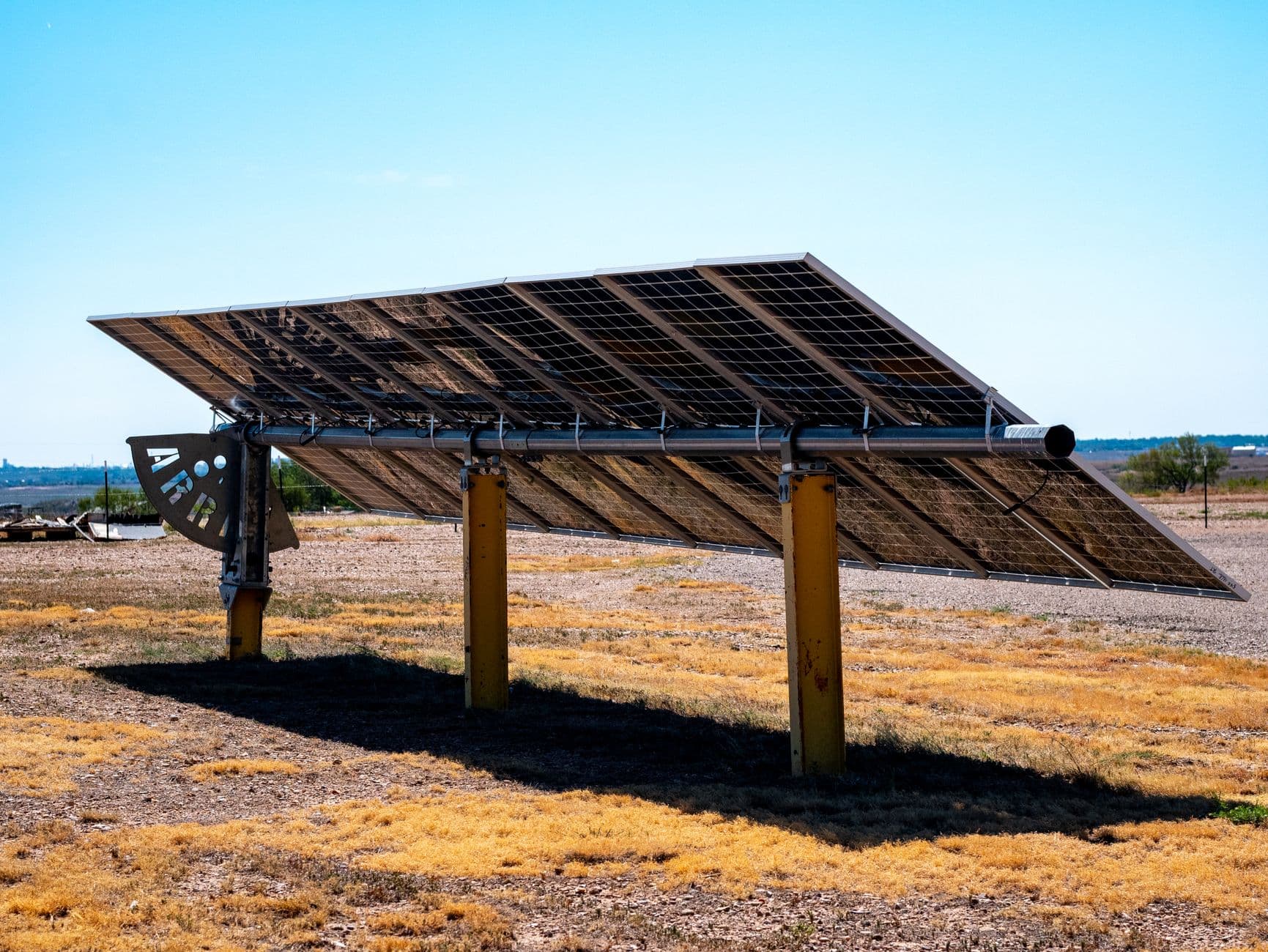
Thursday's session is read through its extremes and its breadth, with oil, metals, uranium and clean energy each telling a slightly different story.
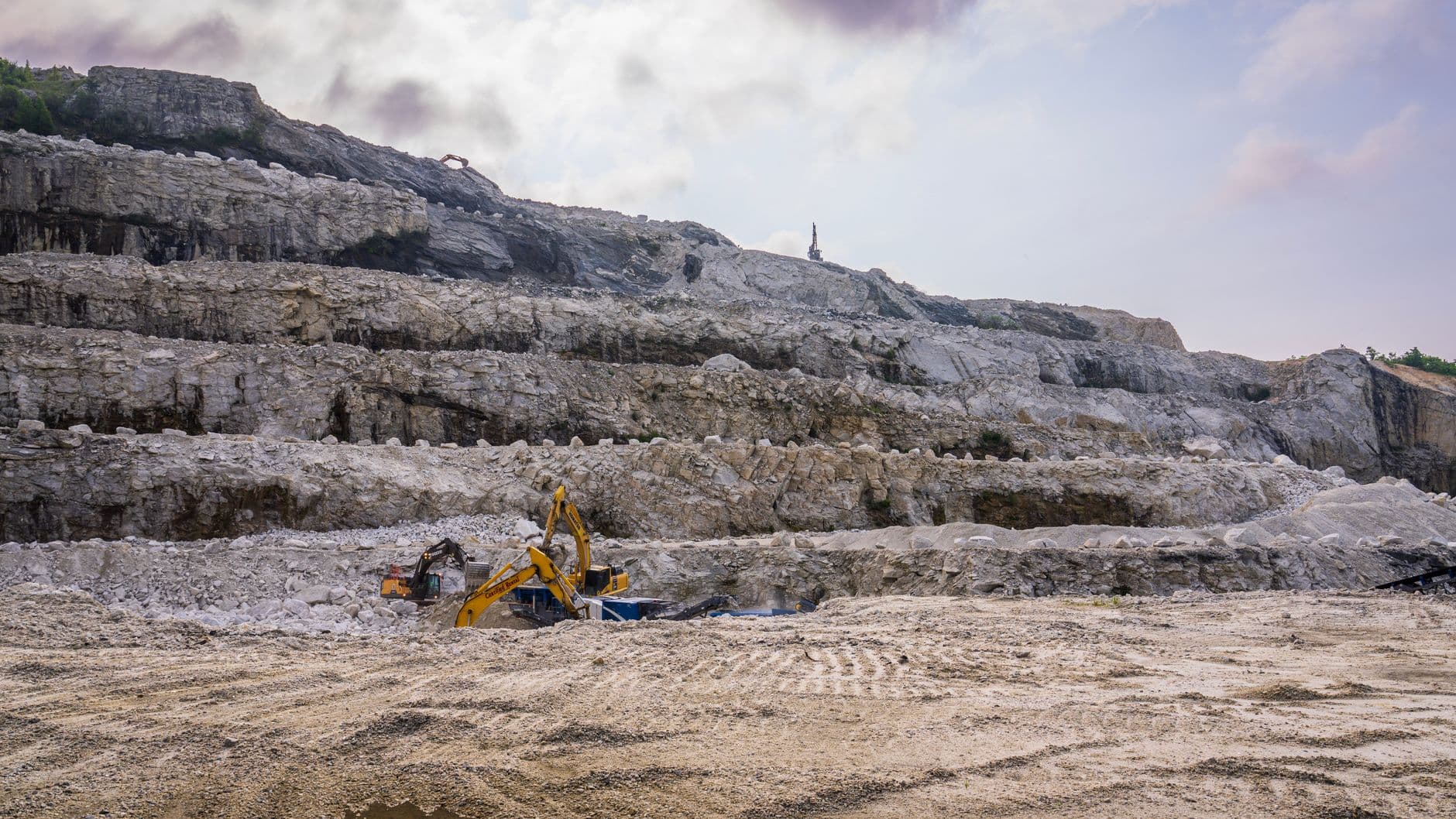
Anglo American says technology companies are weighing equity stakes to lock in metals for data centres, while Antofagasta's softer outlook and a chip-stock rout pushed copper miners lower.
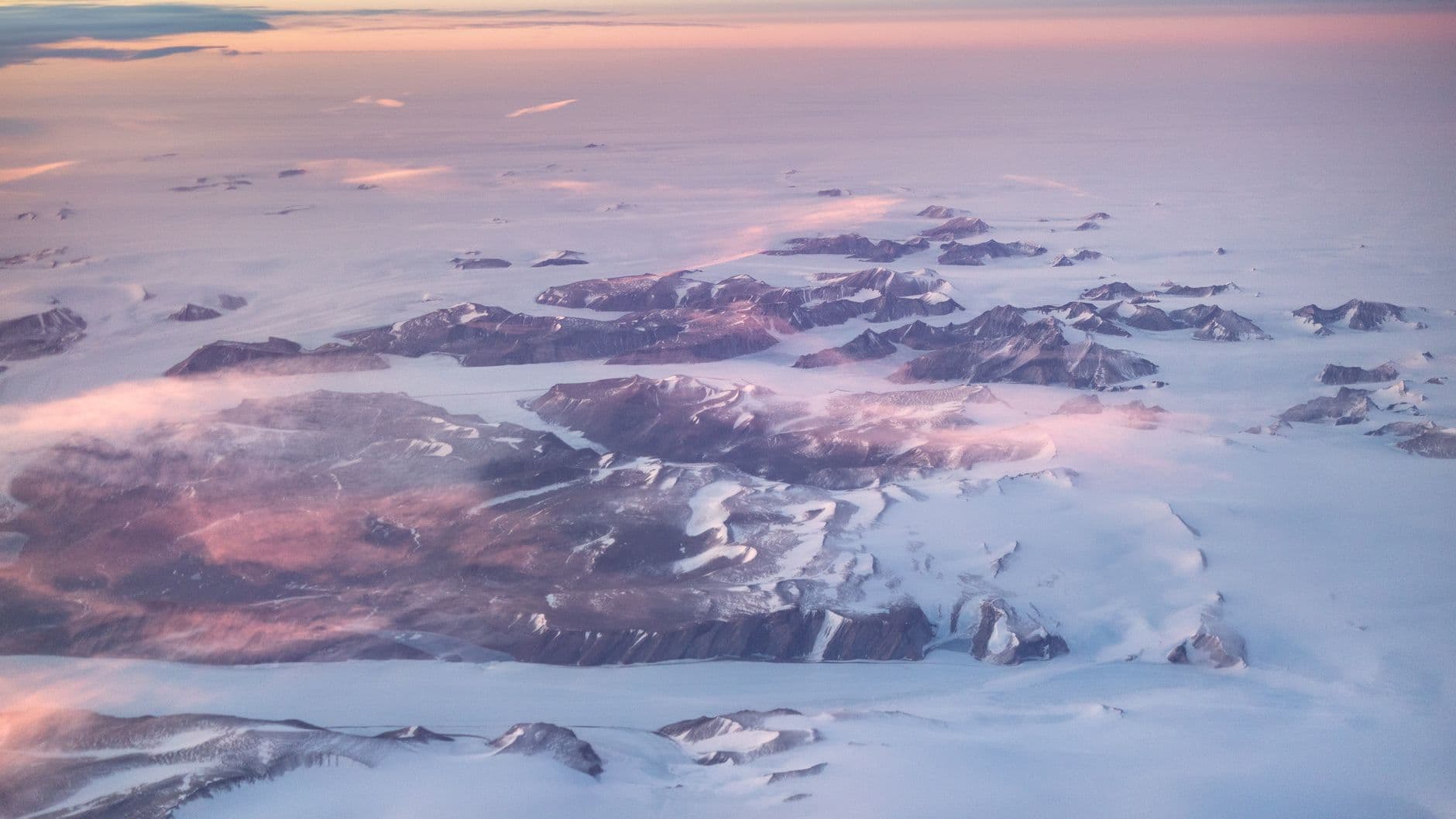
Trump says 'massive' exploration is about to begin in Greenland. Greenland's own mining official says otherwise, and the permits, the ice and the paperwork agree with him. Three small-cap stocks traded on the claim anyway.
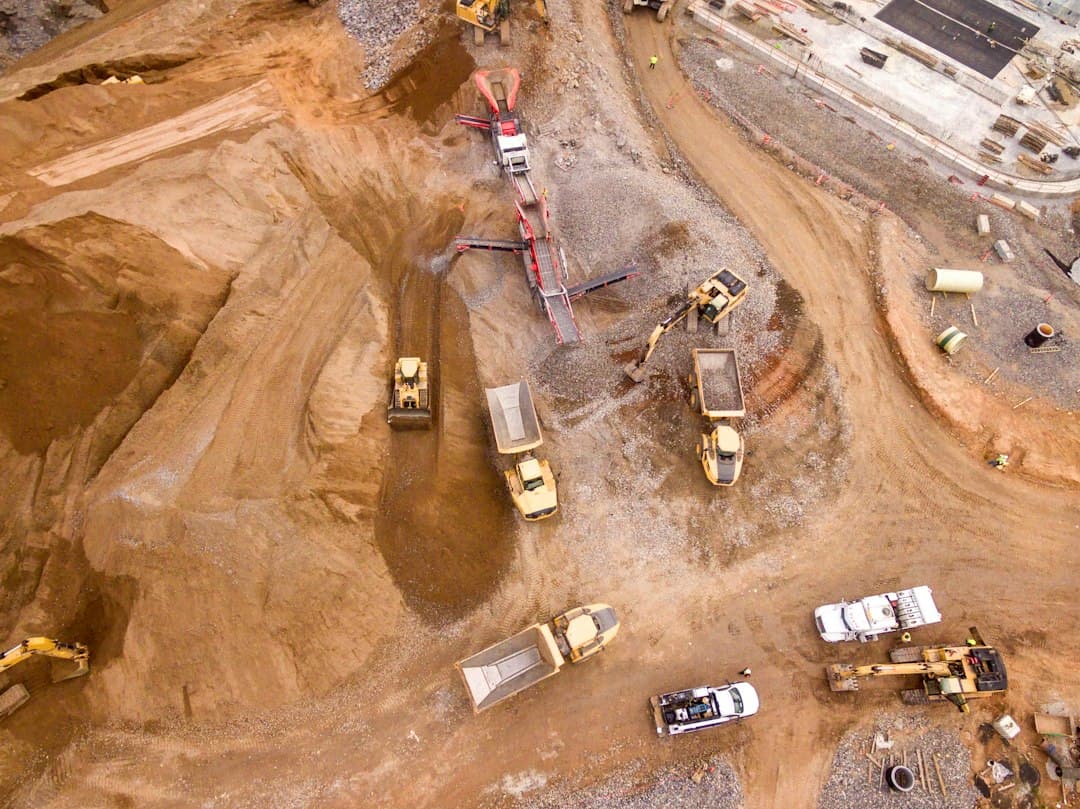
Beyond the oil majors, the session's more telling signals came from uranium, lithium, rare earths and precious metals, with breadth and the day's extremes setting the tone.
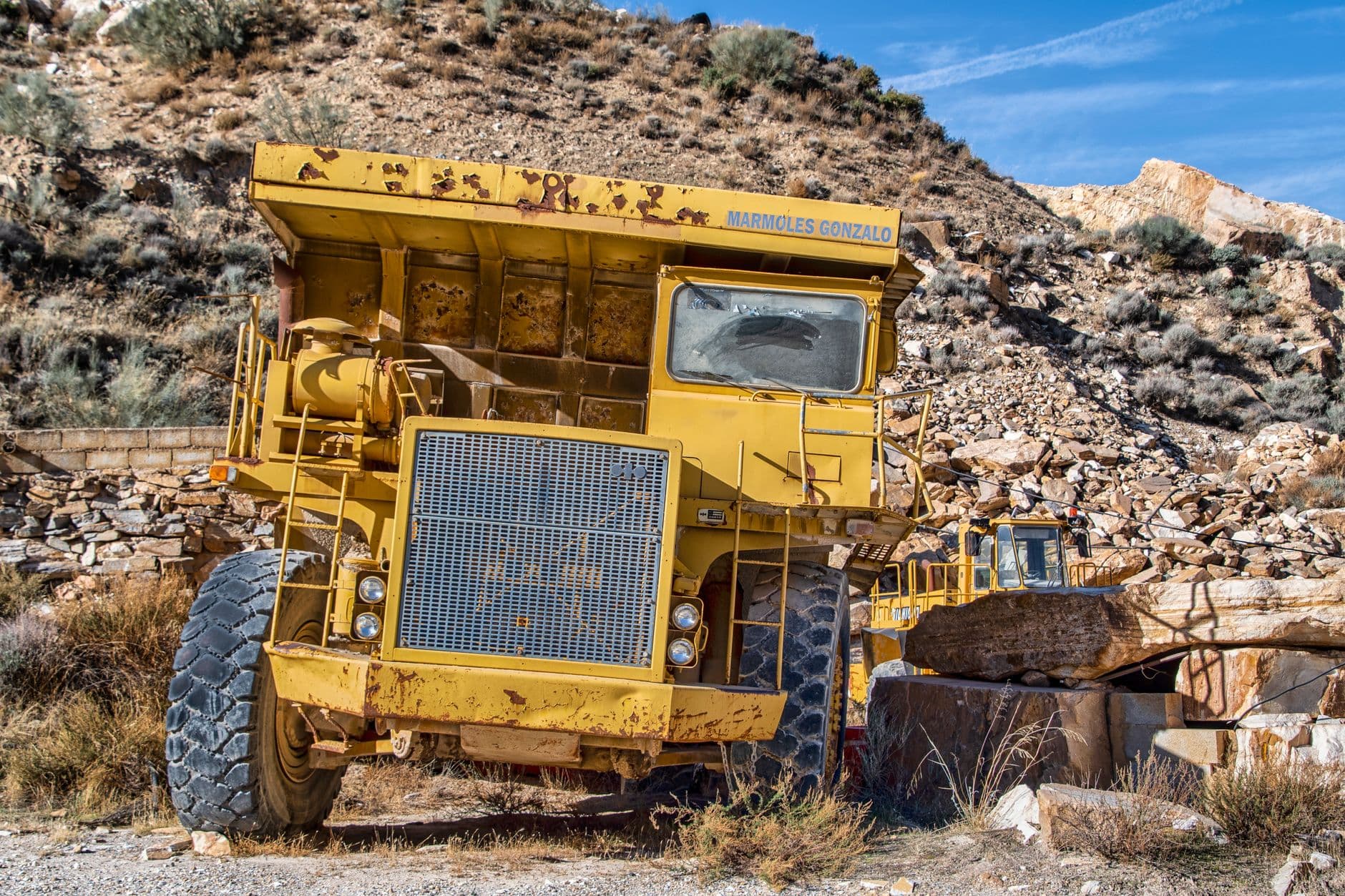
SSR Mining's all-cash offer for Nevada explorer Roxmore and a longer Marigold mine life lead a day of pipeline-building updates from Equinox, Arafura, Fortuna, Eldorado and Lynas.
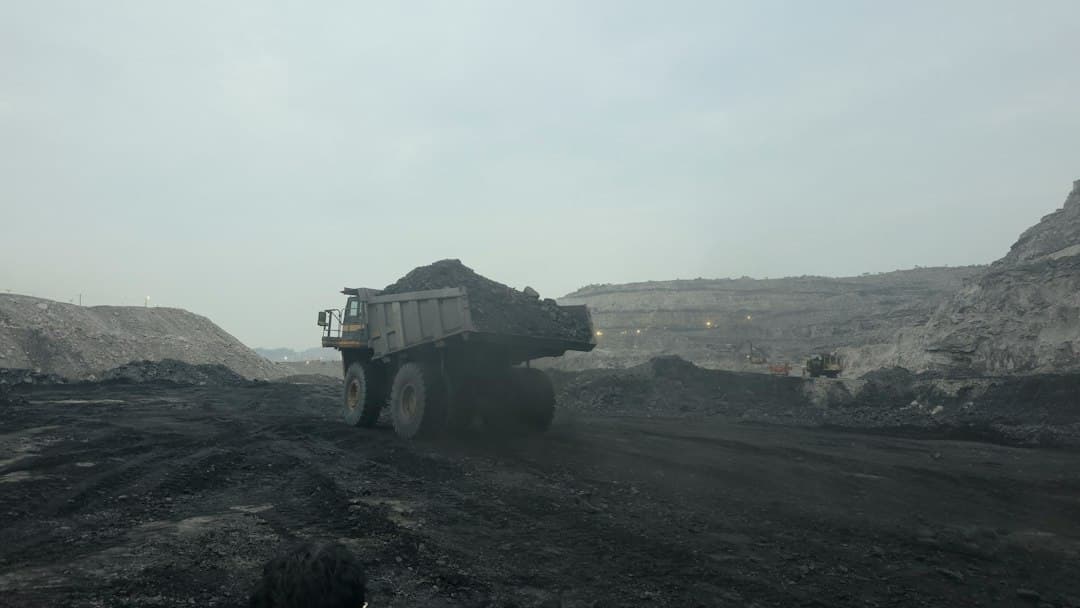
Paris is taking a near-controlling stake in a miner, Washington is building a stockpile and Brussels is fast-tracking permits. A strike at Chile's Centinela copper mine shows the limit of all three.


