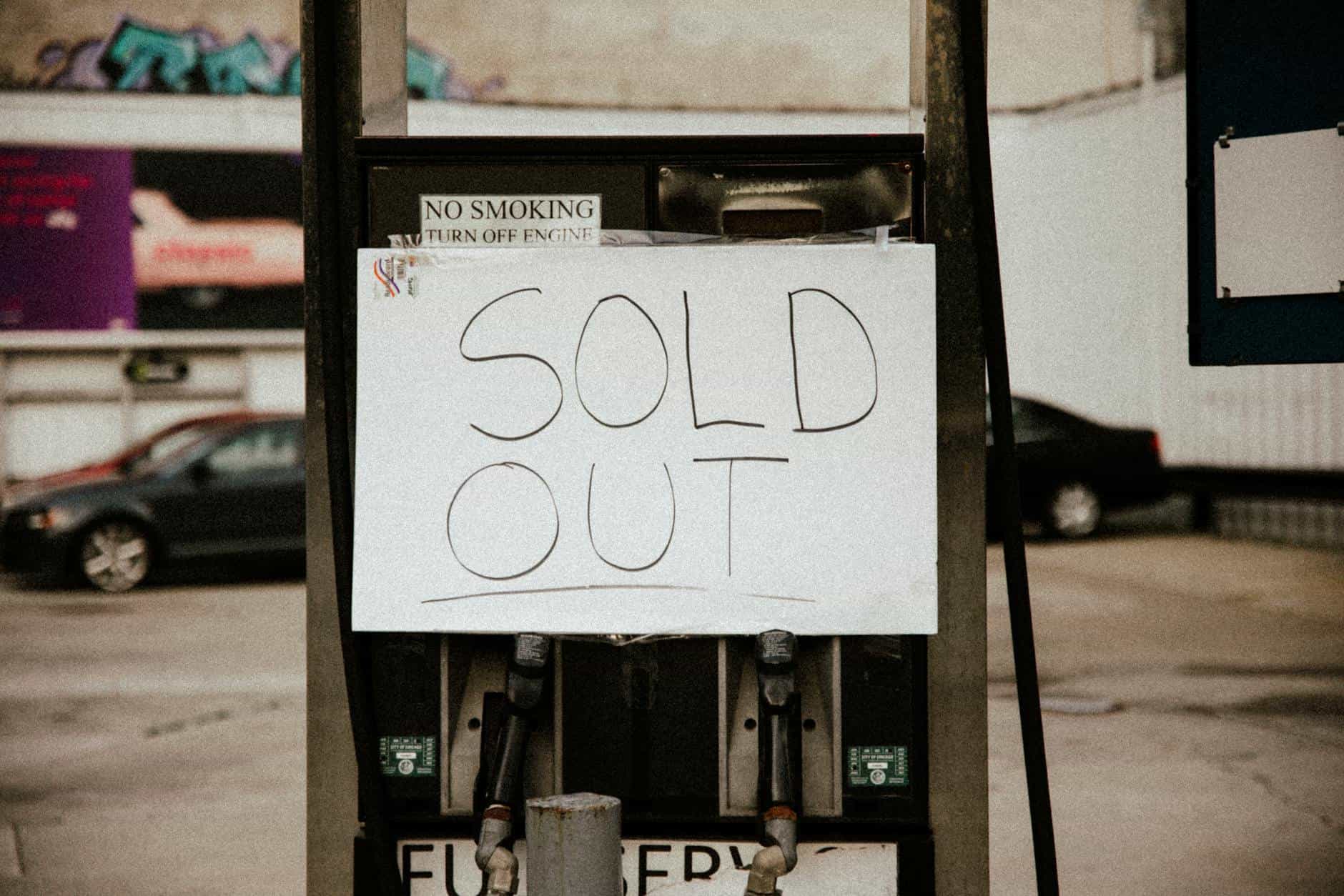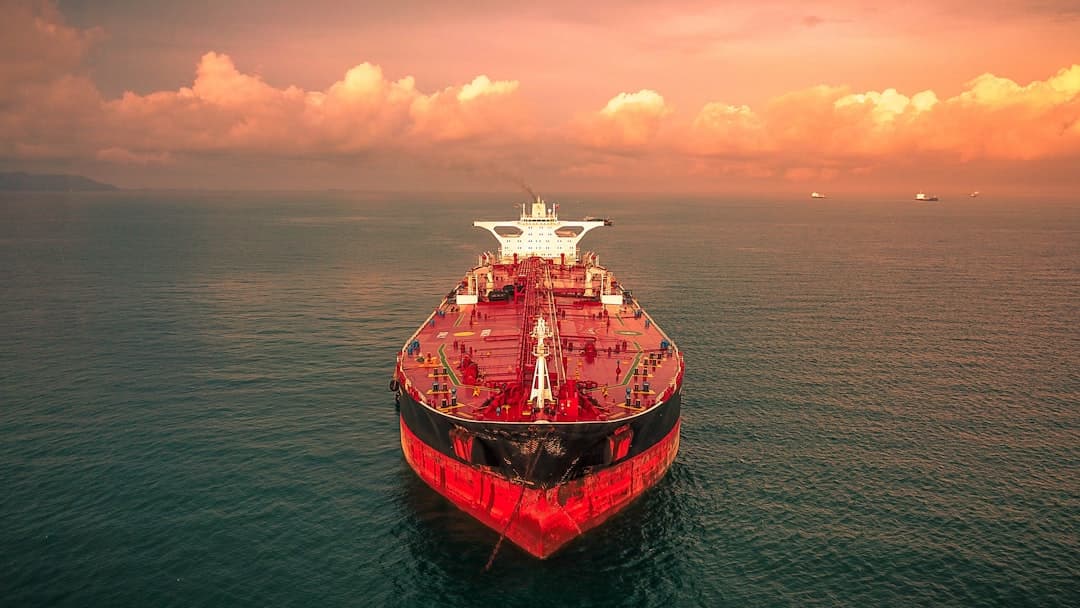
Saudi oil giant Aramco says the world has lost about one billion barrels of oil since the joint US-Israeli war of aggression against Iran triggered the most severe shipping disruptions ever recorded in the Strait of Hormuz , according to statements reported by Press TV on May 10. With Hormuz tanker traffic still restricted, cumulative supply losses from Gulf producers already exceed 1 billion barrels with more than 14 million barrels per day of oil now shut in , the International Energy Agency confirmed in its May oil market report.
The scale of the disruption is staggering. Shipping traffic through the Strait of Hormuz, a major maritime choke point for world energy trade, has been largely blocked by Iran since 28 February 2026, when the United States and Israel launched an air war against Iran and assassinated its supreme leader, Ali Khamenei . In total, production among OPEC members has dropped more than 30%, or 9.7 million barrels per day, during the war , CNBC reported Wednesday, citing the cartel's latest monthly update.
According to market data, WTI crude traded at $104.52 per barrel on Wednesday, down 1.2%, while Brent crude stood at $110.28 per barrel, down 1.0%. Henry Hub natural gas prices fell 1.0% to $2.88 per MMBtu.
Can Stockpiles Bridge the Gap Until Hormuz Reopens?
The rapidly shrinking stockpiles mean that the risk of even more extreme price spikes and shortages is getting ever-closer, leaving governments and industries with fewer options to cushion the impact of the loss of more than a billion barrels of supply. Morgan Stanley estimates global oil stockpiles dropped by about 4.8 million barrels a day between March 1 and April 25 , Fortune reported May 9.
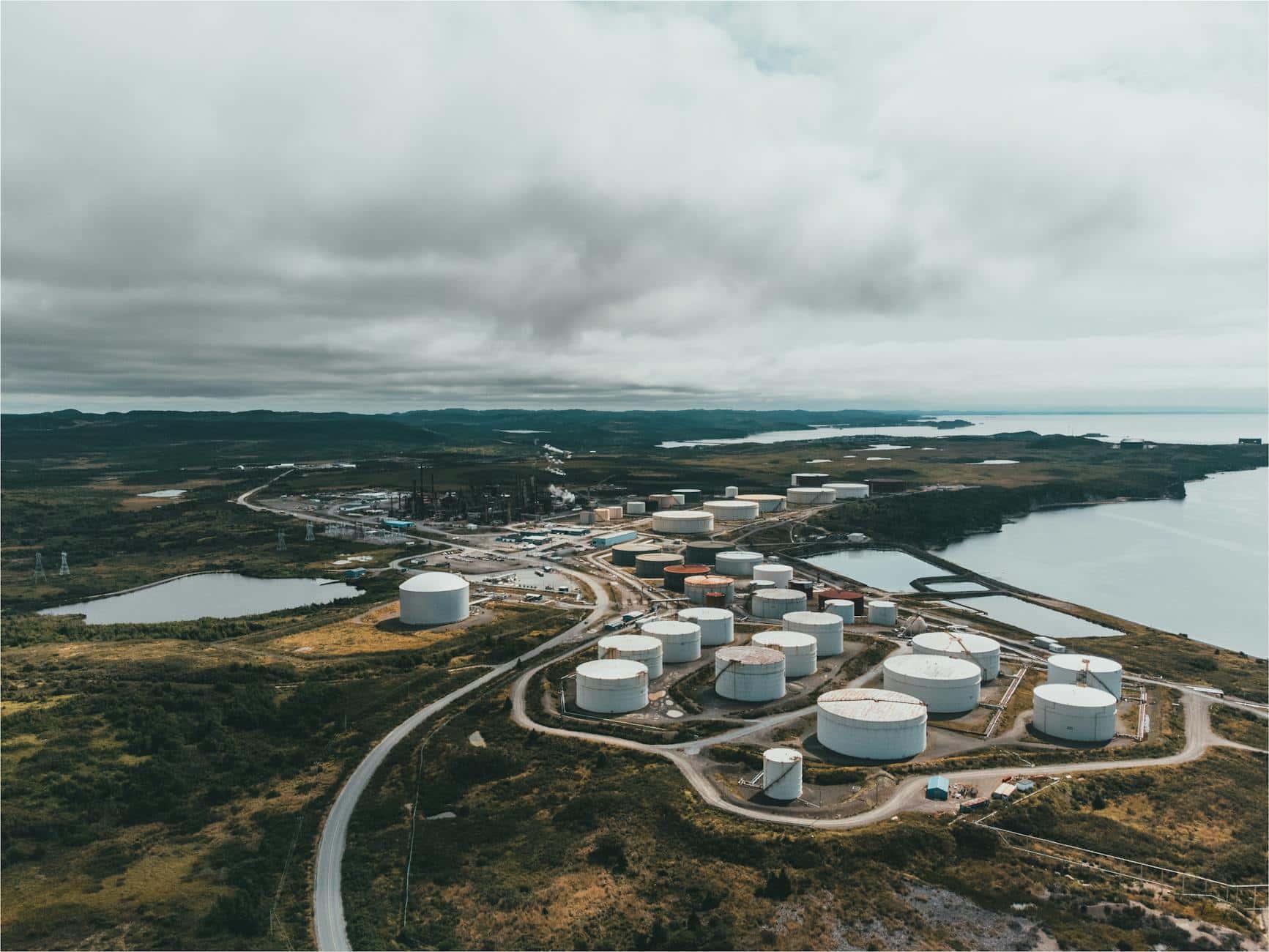
Oil inventories are depleting at a record pace due to the mounting supply loss from the closure of Hormuz. Inventories fell by 250 million barrels, or 4 million barrels per day, over March and April , according to the IEA. IEA member countries agreed on 11 March to make available an unprecedented 400 million barrels of oil from their emergency reserves available to the market to mitigate the negative impact on economies from the supply disruptions , the agency said in its March report.
But the emergency releases are proving insufficient. Oil inventories in the Asia-Pacific region outside of China have been hit hardest, falling by about 70 million barrels since the conflict began. Kayrros said stockpiles in Japan and India are at an at least 10-year seasonal low, down 50% and 10%, respectively, since the war began , according to Fortune.
Will China's Xi Help Trump Reopen the Strait?
President Donald Trump arrived in Beijing on May 13 for high-stakes talks with Chinese President Xi Jinping, with the Iran war and energy security dominating the agenda. Leaders agreed the Strait of Hormuz must remain open to ensure global energy flows, while Xi expressed opposition to its militarization and signaled interest in buying more U.S. oil , Fox News reported.
The purchase of Iranian oil and the security of global energy flows and commodities through the Strait of Hormuz will dominate discussions during US President Donald Trump's two-day visit to China from May 14. Though the US scrutiny of Beijing's conduct will be intense, Mr Trump is unlikely to walk away with a win on stemming the flow of Iranian crude to Chinese ports from the presidential summit , according to The National.
The U.S. Energy Information Administration estimates that China added an average of 1.1 million barrels per day of crude oil to strategic reserves in 2025, with preliminary government data indicating that China has continued to build inventories in 2026 ahead of the Iran conflict. This means that government and commercial oil stockpiles in China averaged around 360 million barrels in December 2025 , CNBC reported May 10.
While Kalshi traders see a 79% chance a soybean purchase is announced, oil purchases have a much lower probability at just 24% , CNBC noted Wednesday.
Big Oil Pivots to New Frontiers
The crisis is reshaping global energy investment patterns. Eneos Holdings said on Thursday it will buy U.S. major Chevron's 50% stake in Singapore Refining Company (SRC) and other assets in Southeast Asia and Australia for nearly $2.2 billion in its first refining foray beyond Japan. The deal - which includes Chevron's assets in Vietnam, Australia, Philippines and Malaysia - is expected to close in 2027 , Reuters reported.
With a total investment of $10.5 billion, the GranMorgu project is of vital importance to the country. A significant proportion of the investments will be made locally, contributing to local employment and economic development in Suriname , TotalEnergies said in April. The fields are located 150 km off the coast of Suriname and hold recoverable reserves estimated at over 750 million barrels , the company announced in October 2024.
The Financial Times reported May 14 that Suriname, South America's smallest and greenest country, is tying its future to the offshore oil development led by TotalEnergies.