Oil & Gas
Hormuz Redraws the Map of Energy Trade
Qatar is shopping for American LNG, Washington is courting Russian diesel and Indonesia is keeping its gas at home. Prices stay high anyway.
Crude and natural gas markets, OPEC decisions, drilling activity, LNG, refining, and the geopolitics shaping the petroleum industry.
Edited by the Stake & Paper Editorial Team — 497 stories in the archive, updated daily.
Subscribe to Oil & GasThe global oil and gas industry remains shaped by OPEC production decisions, geopolitical tensions, and the long-term trajectory of energy demand. Our coverage spans the full value chain -- upstream exploration and drilling, midstream pipeline and LNG infrastructure, and downstream refining and petrochemicals. From rig counts and reserve estimates to policy shifts and trade flows, this section tracks the forces that move crude and natural gas markets worldwide.
The final session of the week gave traders a clear read on how energy producers, miners and renewable names are positioned heading into the weekend.
Qatar is shopping for American LNG, Washington is courting Russian diesel and Indonesia is keeping its gas at home. Prices stay high anyway.
Thursday's settlement is best read through its top and bottom performers, with oil, miners and renewables each telling a separate story.
Gulf crude exports have climbed back to prewar volumes, yet Brent still trades above $100. The reason is a tanker system rebuilt around Hormuz, and the bottleneck now is ships, not barrels.
PHP shipped emergency fixes for two critical remote code execution flaws after a leak forced an early release. Attackers were already probing.
Every unpatented mining claim across all twelve BLM states. Leadfile audits, due diligence, site selection, regional prospecting, entity investigations, and AOI monitoring — delivered as complete report packages.
The first session of the week left oil majors, miners and clean-energy funds each telling their own story, with the day's extremes coming from individual names.
ArcGIS Pro now reads commercial hyperspectral imagery natively, just as a second Tanager satellite begins imaging. Exploration geologists can screen for minerals from a desk, within limits.
A record federal loan is financing a gas plant half a mile from a Google data-center site. Its owner says the plant is not for data centers, and Georgia regulators' own staff say much of the state's new generation rests on speculation.
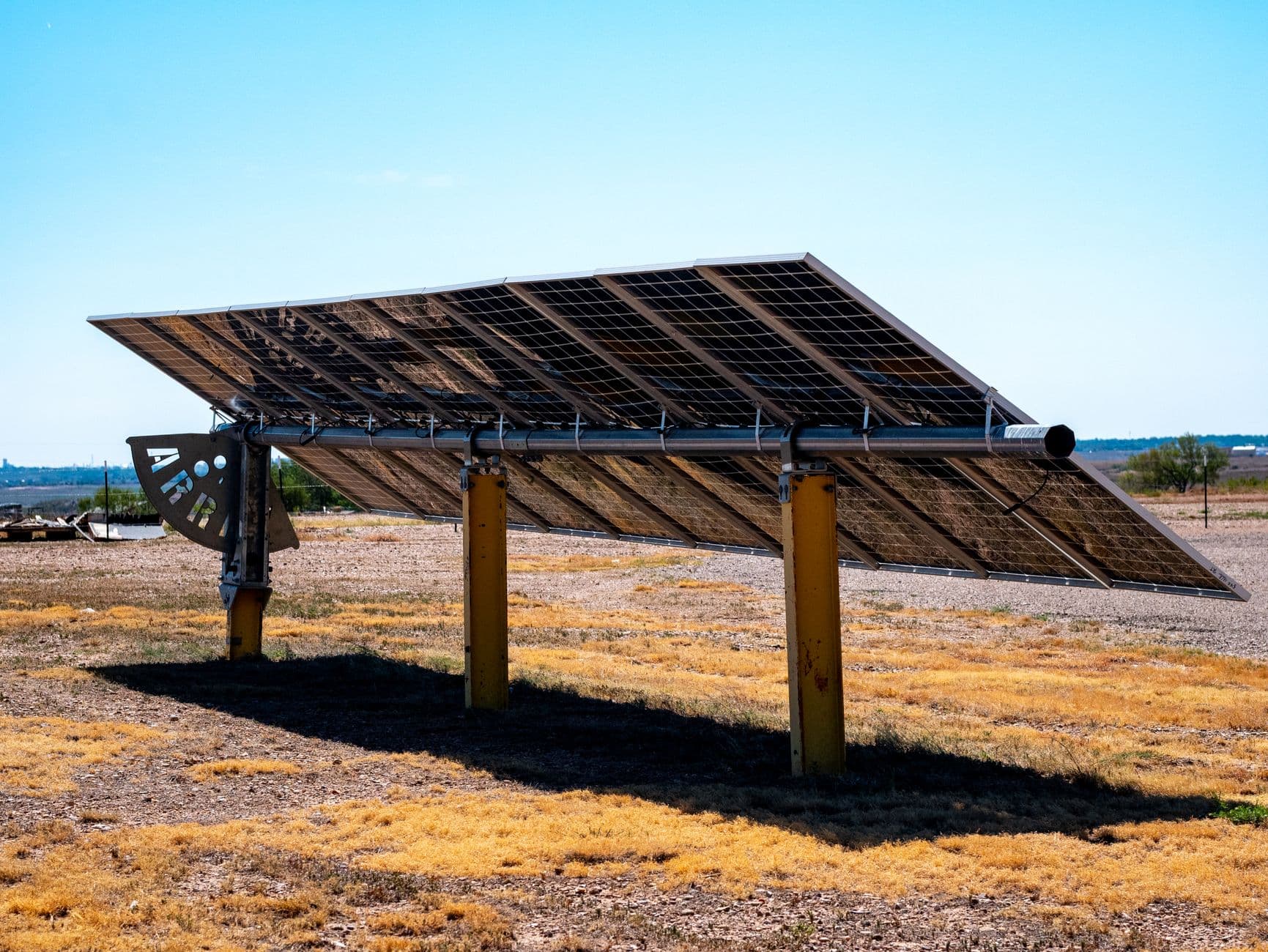
Thursday's session is read through its extremes and its breadth, with oil, metals, uranium and clean energy each telling a slightly different story.
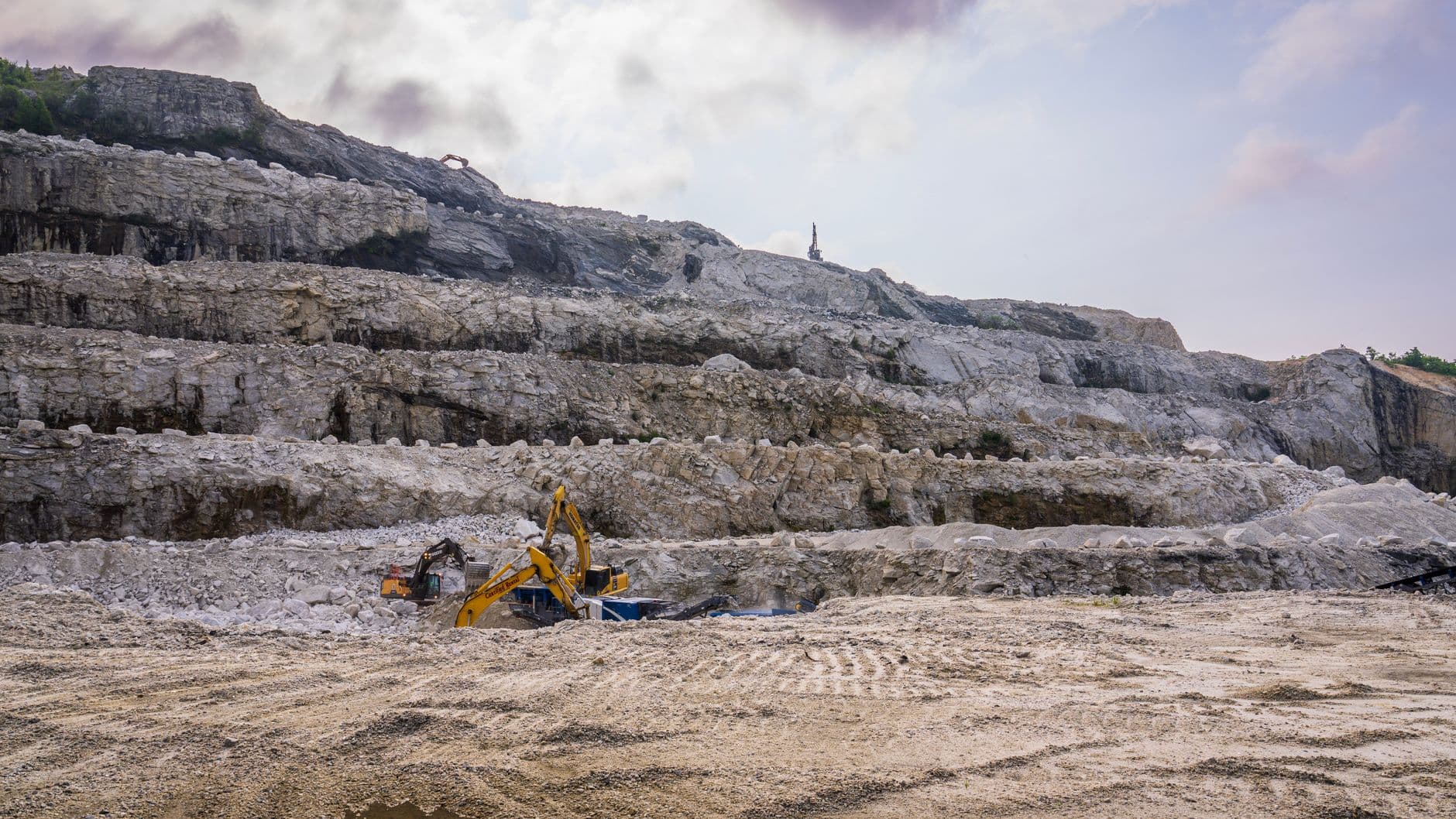
Anglo American says technology companies are weighing equity stakes to lock in metals for data centres, while Antofagasta's softer outlook and a chip-stock rout pushed copper miners lower.
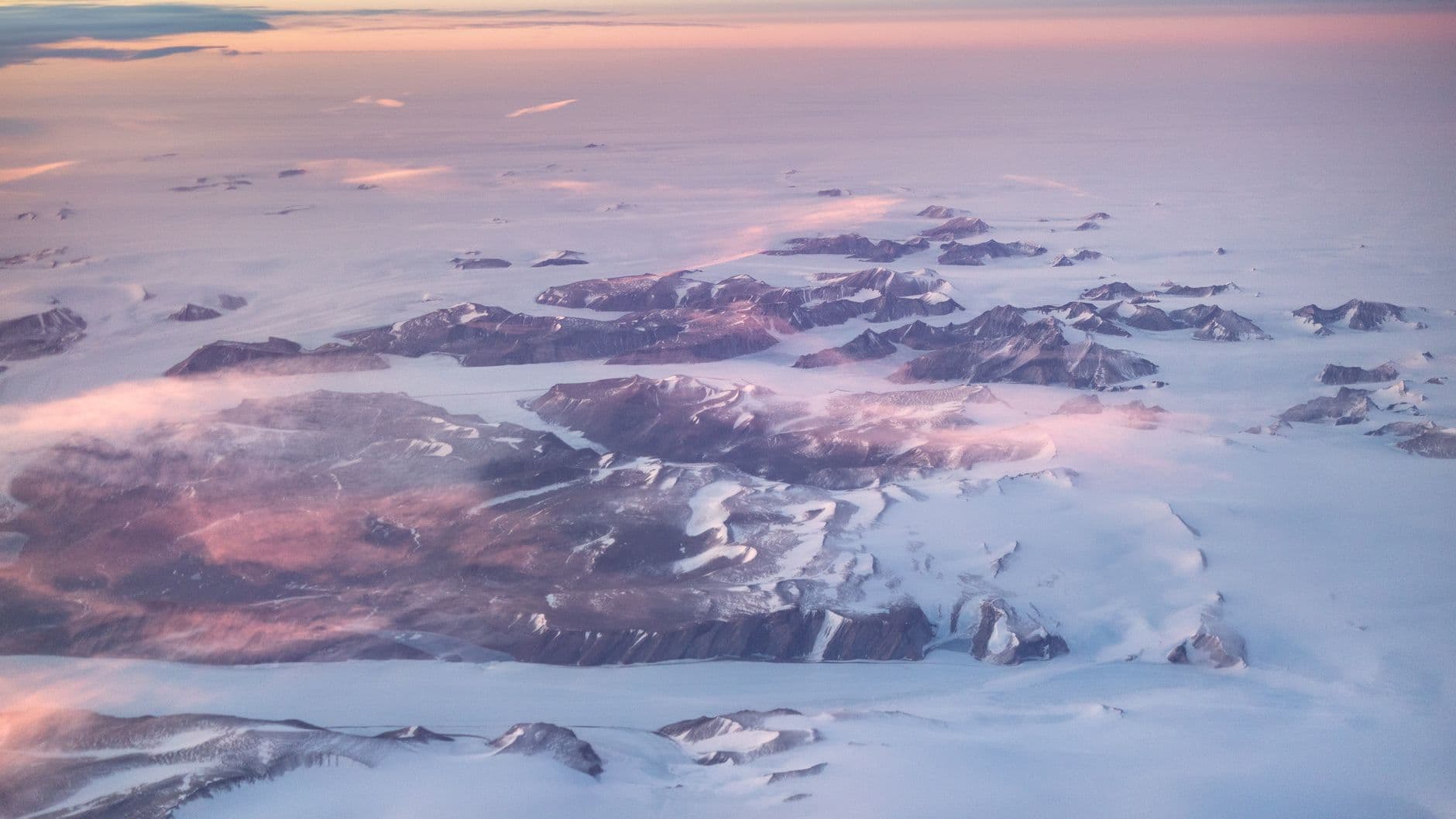
Trump says 'massive' exploration is about to begin in Greenland. Greenland's own mining official says otherwise, and the permits, the ice and the paperwork agree with him. Three small-cap stocks traded on the claim anyway.

Venture Global has no announced data-center customer. It has reserved a place in line for gas turbines, and in the AI power race that may be the scarcer asset.
Beyond the oil majors, the session's more telling signals came from uranium, lithium, rare earths and precious metals, with breadth and the day's extremes setting the tone.
SSR Mining's all-cash offer for Nevada explorer Roxmore and a longer Marigold mine life lead a day of pipeline-building updates from Equinox, Arafura, Fortuna, Eldorado and Lynas.
Breadth, the gap between the best and worst performers, and the split between bullion, copper and solar set the tone for Tuesday's energy and materials trade.

ArcGIS Pro's latest release pushes AI into everyday geoprocessing just as oil, mining and federal programs lean harder on maps. The operators using it say the data has to be right first.
The new week opens with producers, miners and renewable names each telling their own story, led by a few outsized movers at either end of the board.
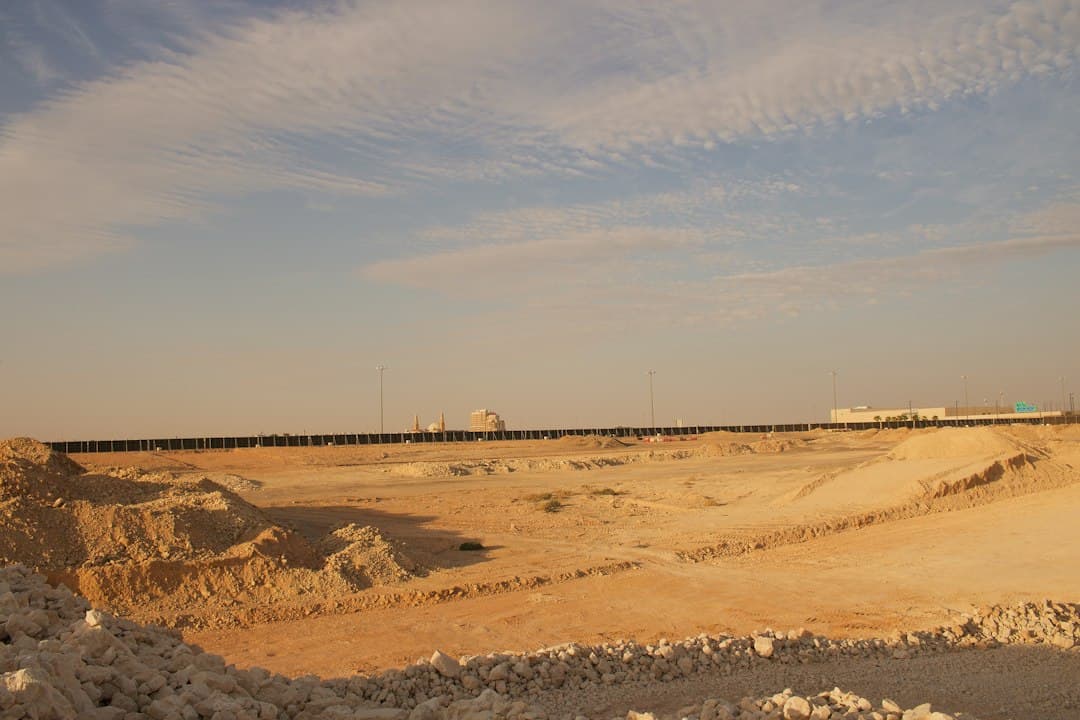
Riyadh wants a pipeline network that lets its crude skip Hormuz. The Houthis are shooting at the capital that hosts the plan, and at the sea lanes it depends on.
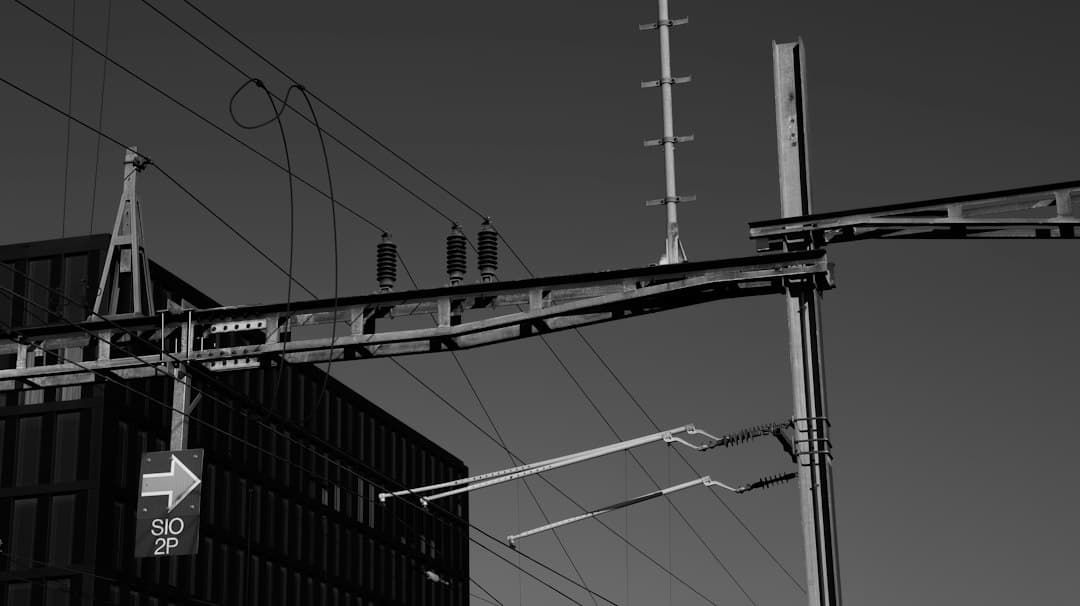
Britain set a wind record in September and power prices still climbed sharply. The gas shock shows the real bottlenecks are pricing rules, wires and storage, and the US is making one corner of this harder.
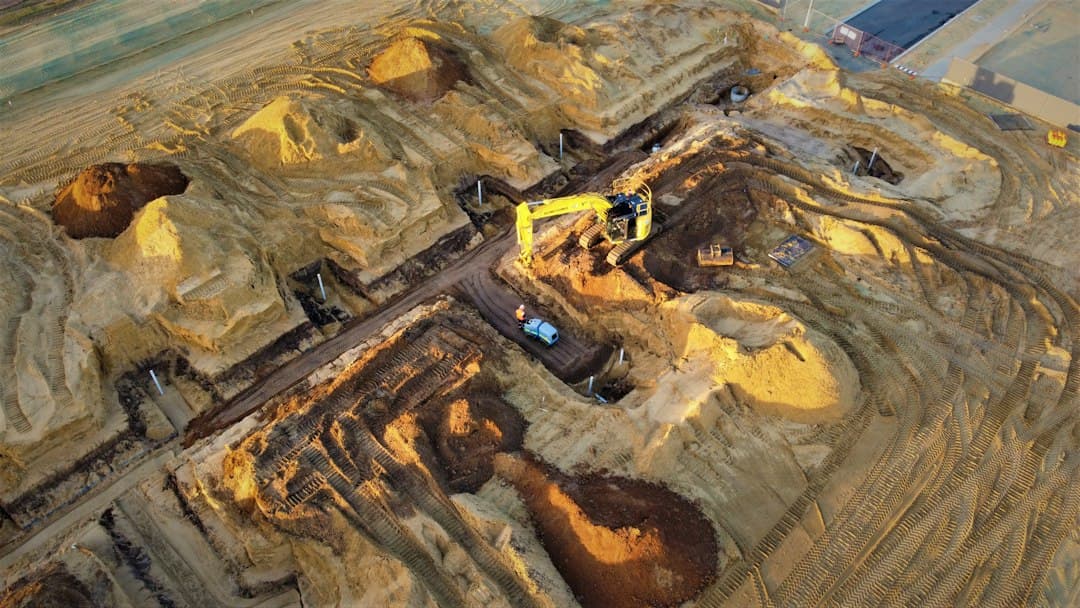
Free radar, commercial colour imaging and even a $10 million asteroid probe are turning orbital data into routine exploration tooling. None of it removes the need to touch the rock.