Saudi Arabia's May oil exports have fallen to 3.9 million barrels per day—historic lows—as every major Asian buyer from China to Taiwan cuts nominations , according to OilPrice.com. China's expected June intake of Saudi crude is set to fall to roughly 600,000 barrels per day, about half April's level . The reason isn't just disrupted routes. Arab Light differentials jumped from around $2 per barrel in March to $20 per barrel in April , and the premium is destroying demand faster than the Strait of Hormuz closure is destroying supply.
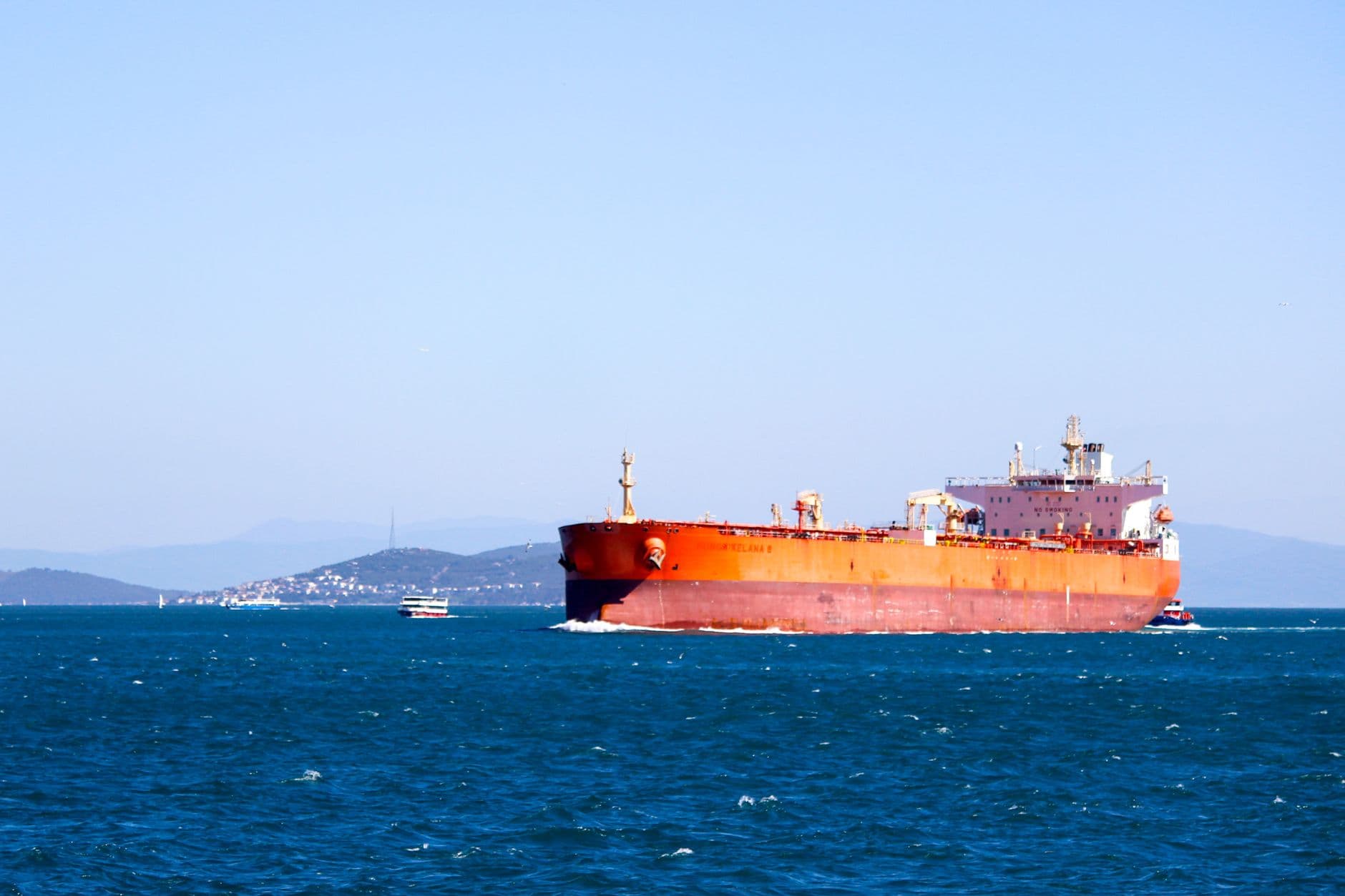
Shipping traffic through the Strait of Hormuz has been largely blocked by Iran since February 28, when the United States and Israel launched an air war against Iran, cutting off a waterway that previously carried about 25% of the world's seaborne oil trade and 20% of global LNG . Just 191 vessels crossed in the entire month of April, and overall traffic through Hormuz in the last two months has run at about 5% of the pre-war average , CNN reported. But while Gulf producers hemorrhage revenue and Asian refiners scramble for alternatives, one country is quietly positioning itself to capture what may be the energy crisis's most durable prize: control over Eastern Mediterranean gas flows.
Can Egypt Replace Qatar's Stranded LNG?
QatarEnergy, the world's single largest producer of LNG before the U.S.-Israeli war with Iran, faces a prolonged recovery from Iranian attacks in March that damaged two of its 14 LNG trains and is largely unable to ship LNG due to the effective closure of the Strait of Hormuz , according to a statement from the company. That has left Europe scrambling. Europe gets 12% to 14% of its LNG from Qatar, all of which previously transited the Strait of Hormuz, and QatarEnergy's force majeure declaration directly affects European energy supplies .
Enter Egypt. QatarEnergy signed a preliminary deal with ExxonMobil and Egypt's government on Thursday to study the development and commercialization of gas discoveries in Cyprus using Egypt's existing gas and LNG infrastructure, highlighting Egypt's role as a potential hub for Eastern Mediterranean gas , Reuters reported. The ExxonMobil-QatarEnergy consortium becomes the third major operator to pursue commercialization of Cypriot offshore gas discoveries through Egypt's existing gas processing and LNG export infrastructure , according to Zawya Projects.
Egypt is the only country in the region with ability to import natural gas from neighboring countries and re-export it as LNG, holding natural gas liquefaction capacity of 12.7 million tons per annum at its two LNG export facilities at Damietta and Idku, making it the "gas hub" of the Eastern Mediterranean . Egypt's liquefaction plants, which can convert natural gas into liquefied natural gas for export, have long been underutilized . The Hormuz crisis just gave them a purpose.
The ExxonMobil-QatarEnergy consortium currently holds exploration rights for offshore Block 10 in Cyprus, which contains the Glaucus gas discovery estimated to contain between 5 trillion cubic feet and 8 trillion cubic feet of gas in place . Last month, the Aphrodite gas field consortium, comprising Chevron, Shell, NewMed Energy and the Cyprus Hydrocarbons Company, signed a term sheet with the Egyptian Natural Gas Holding Company for the sale of all recoverable gas from block 12 in Cyprus's exclusive economic zone and signed an agreement with the Egyptian government to establish the regulatory framework for constructing, financing and operating the export subsea pipeline .
The timing is no accident. According to the Middle East Economic Survey, "Egypt's bid to become the East Mediterranean gas hub and export gateway to the world has been bolstered by the geopolitical upheaval in the Gulf, with LNG exports disrupted and alternative export routes slow to progress" . What was once a nice-to-have regional integration project has become Europe's most viable near-term alternative to Qatari LNG.
Why Is Britain Squeezing Oil Profits During an Energy Crisis?
While Egypt builds energy infrastructure, Britain is taxing it. British finance minister Rachel Reeves announced Thursday a change to how oil and gas companies' profits are taxed, closing a tax loophole that allows companies to offset overseas losses and reduce the amount of tax paid in the UK, saying "some oil and gas groups that operate overseas through foreign branches have structured their tax affairs in a way which ensures they pay little or no corporation tax on their UK energy trading profits" , according to RTE.
Reeves said closing the loophole would raise hundreds of millions of pounds per year , funds earmarked for cost-of-living measures including free bus fares for children and food tariff cuts. The UK already imposes a windfall tax on the oil and gas sector of 38% when prices exceed thresholds set by the government, bringing the total headline tax rate on upstream oil and gas profits to 78% when combined with permanent corporate taxes .
The policy sounds straightforward until you remember the context. Just last week, the UK moved to permanently ban new North Sea oil and gas exploration licenses, and at nearly the same time, the government softened parts of its Russian fuel restrictions amid concerns over diesel and jet fuel supply , OilPrice.com reported. The Iran war and disruptions tied to the Strait of Hormuz have driven fuel costs sharply higher, pushing Britain and much of Europe back into an awkward conversation about energy security, leaving Britain attempting a delicate balancing act: discourage domestic fossil fuel development while simultaneously worrying about fuel shortages and rising consumer costs .
Britain is hardly alone in this contradiction—most of Europe is navigating the same tension between decarbonization goals and immediate energy needs. But the optics of tightening the fiscal screws on domestic producers while global supply chains fracture is a choice that may look different six months from now if Hormuz remains closed.