Renewables
Korean Renewables Pass Coal, Grid Lags
South Korea's renewable fleet has edged past its coal fleet on paper. Whether it ever out-generates coal depends on transmission lines that take a decade to build.
Solar, wind, storage, hydrogen, and the policy landscape driving the global energy transition. Coverage of the projects, the capital, and the politics reshaping power generation.
Edited by the Stake & Paper Editorial Team — 215 stories in the archive, updated daily.
Subscribe to RenewablesSolar and wind capacity continue to expand globally, driven by falling costs, federal and state policy incentives, and growing corporate procurement. Our renewables coverage tracks utility-scale project development, battery storage deployment, hydrogen pilot programs, and the grid modernization investments required to integrate variable generation at scale. This section covers the capital, the technology, and the regulatory landscape shaping clean energy.
The final session of the week gave traders a clear read on how energy producers, miners and renewable names are positioned heading into the weekend.
South Korea's renewable fleet has edged past its coal fleet on paper. Whether it ever out-generates coal depends on transmission lines that take a decade to build.
Thursday's settlement is best read through its top and bottom performers, with oil, miners and renewables each telling a separate story.
The Justice Department wants Avangrid's New England Wind approval sent back to Interior, the fourth offshore wind permit it has targeted in recent weeks. A Senate permitting deal may not survive the fight.
Thursday's session is read through its extremes and its breadth, with oil, metals, uranium and clean energy each telling a slightly different story.
Every unpatented mining claim across all twelve BLM states. Leadfile audits, due diligence, site selection, regional prospecting, entity investigations, and AOI monitoring — delivered as complete report packages.
Breadth, the gap between the best and worst performers, and the split between bullion, copper and solar set the tone for Tuesday's energy and materials trade.
A Utah geothermal plant is selling firm power and raising money. India is switching off solar it cannot move, and a nearly finished New England wind farm is fighting for its permit.
The new week opens with producers, miners and renewable names each telling their own story, led by a few outsized movers at either end of the board.

Britain set a wind record in September and power prices still climbed sharply. The gas shock shows the real bottlenecks are pricing rules, wires and storage, and the US is making one corner of this harder.

The Thursday session closed with sharp moves at both ends of the leaderboard, leaving oil producers, miners and clean energy funds with little in common.
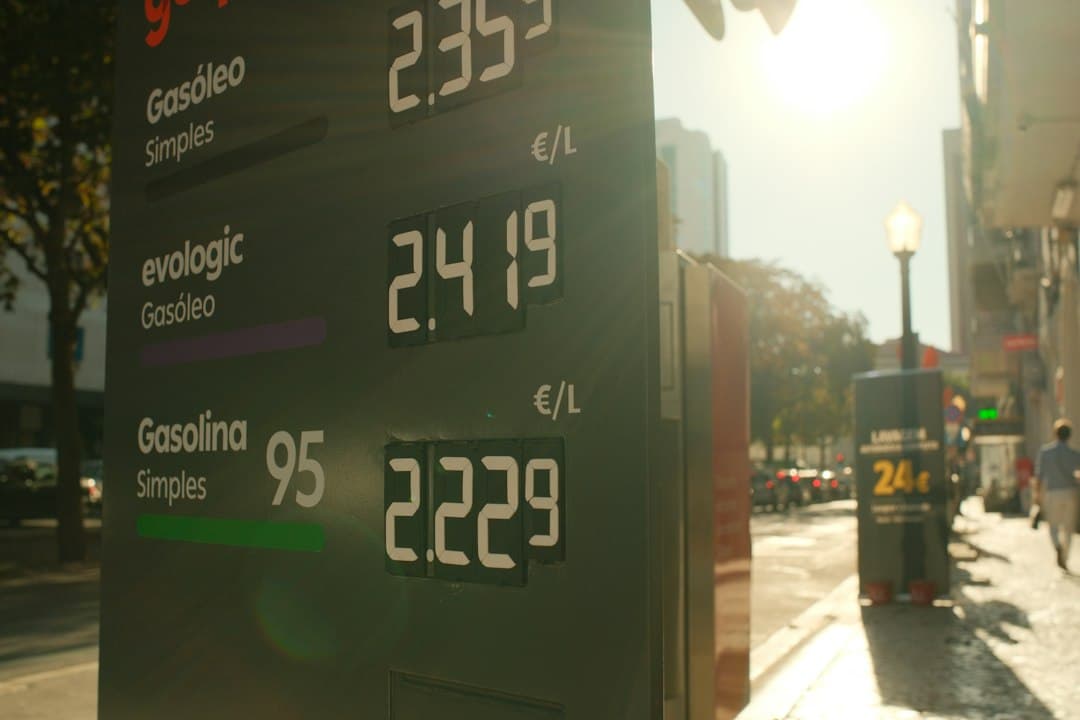
A tariff is a tax collected at the border on imported goods, and on traded energy equipment such as solar panels it raises landed costs, pushes supply chains toward new countries, and shifts costs among importers, manufacturers and power buyers.
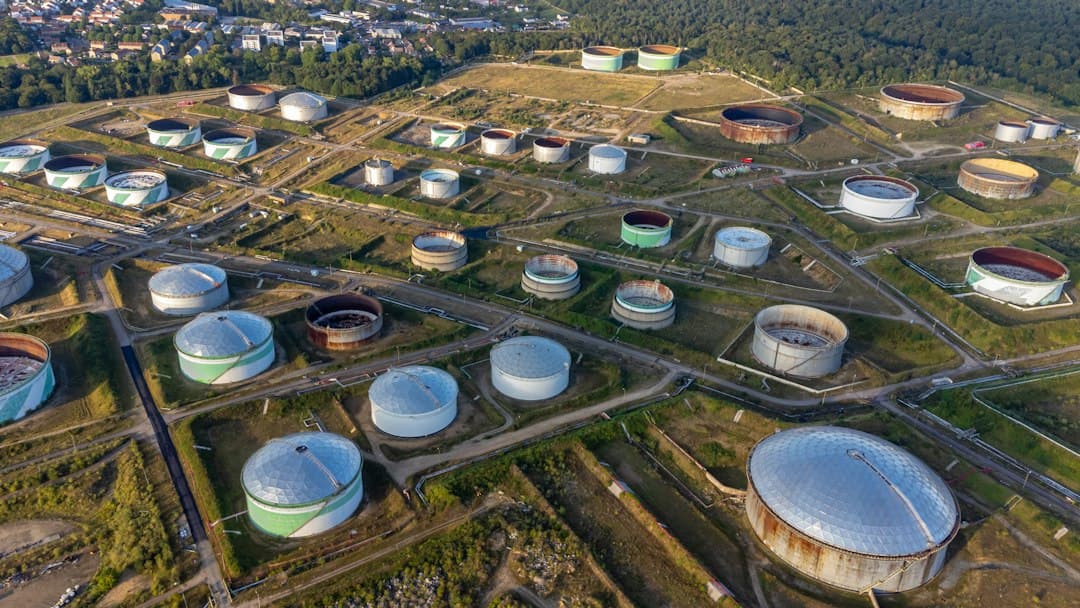
Oil majors, gold miners and clean energy funds each sent their own signal at Wednesday's close, with bullion and uranium adding to the cross-currents.

Microsoft says Copilot will read local files, act across apps and run local AI models on Copilot+ PCs. The permission details are still missing.

A look at how oil majors, miners, precious metals and clean energy names lined up at the close, and what the spread between the best and worst performers says about the tape.

Europe's solar surge is wrecking midday prices in Spain and France. For battery owners, that is the point.
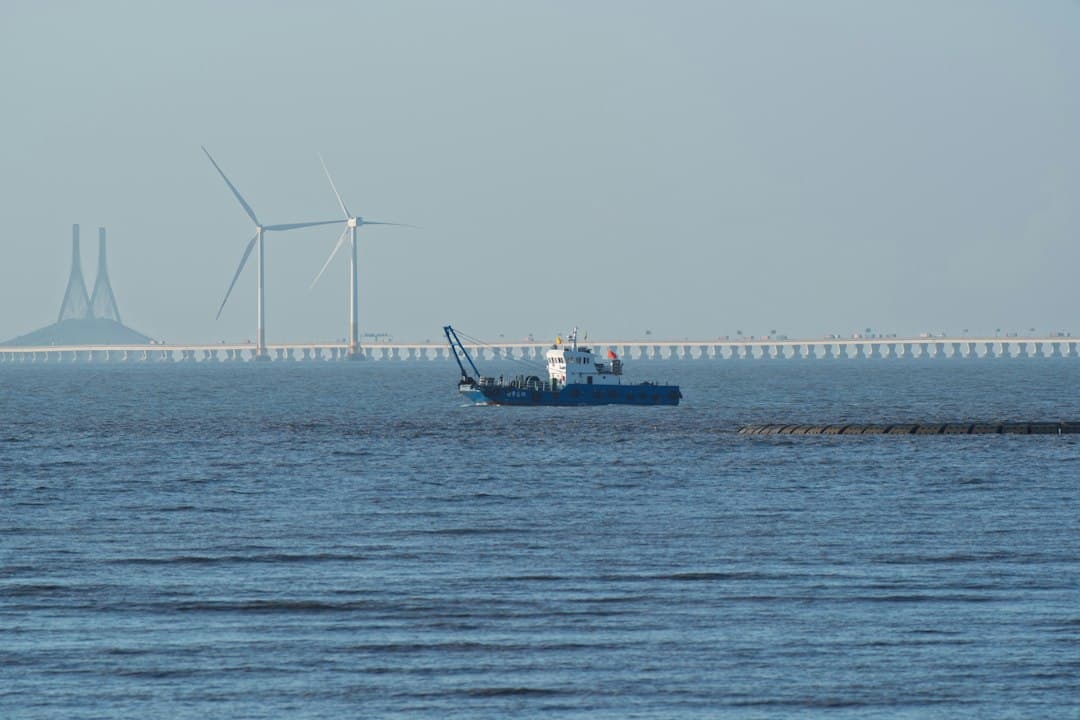
Kincardine's first big repair meant towing a turbine and its floater to Rotterdam and back. The bill and the delay are now shaping how Green Volt gets built.

Producers, miners and renewable developers closed the week on separate footings, with the move in each group set by its own commodity and policy drivers.
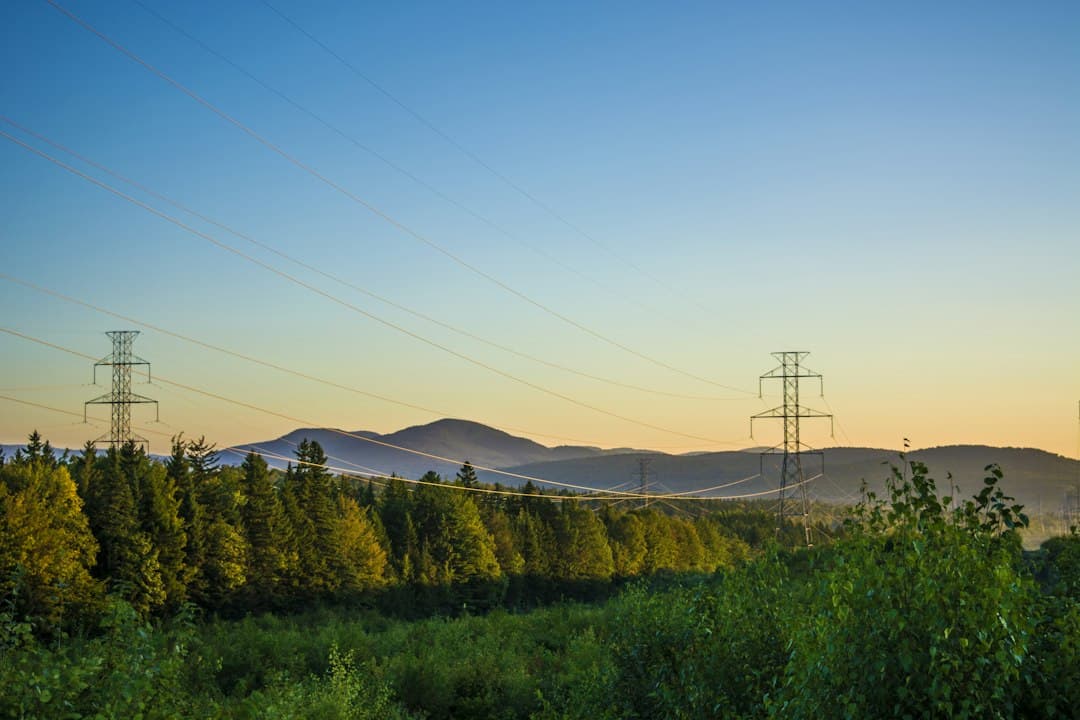
India is funding transmission and storage, the U.S. Senate is haggling over permits, SSE leans on its networks, and First Solar goes to court. Making clean power is no longer the hard part.
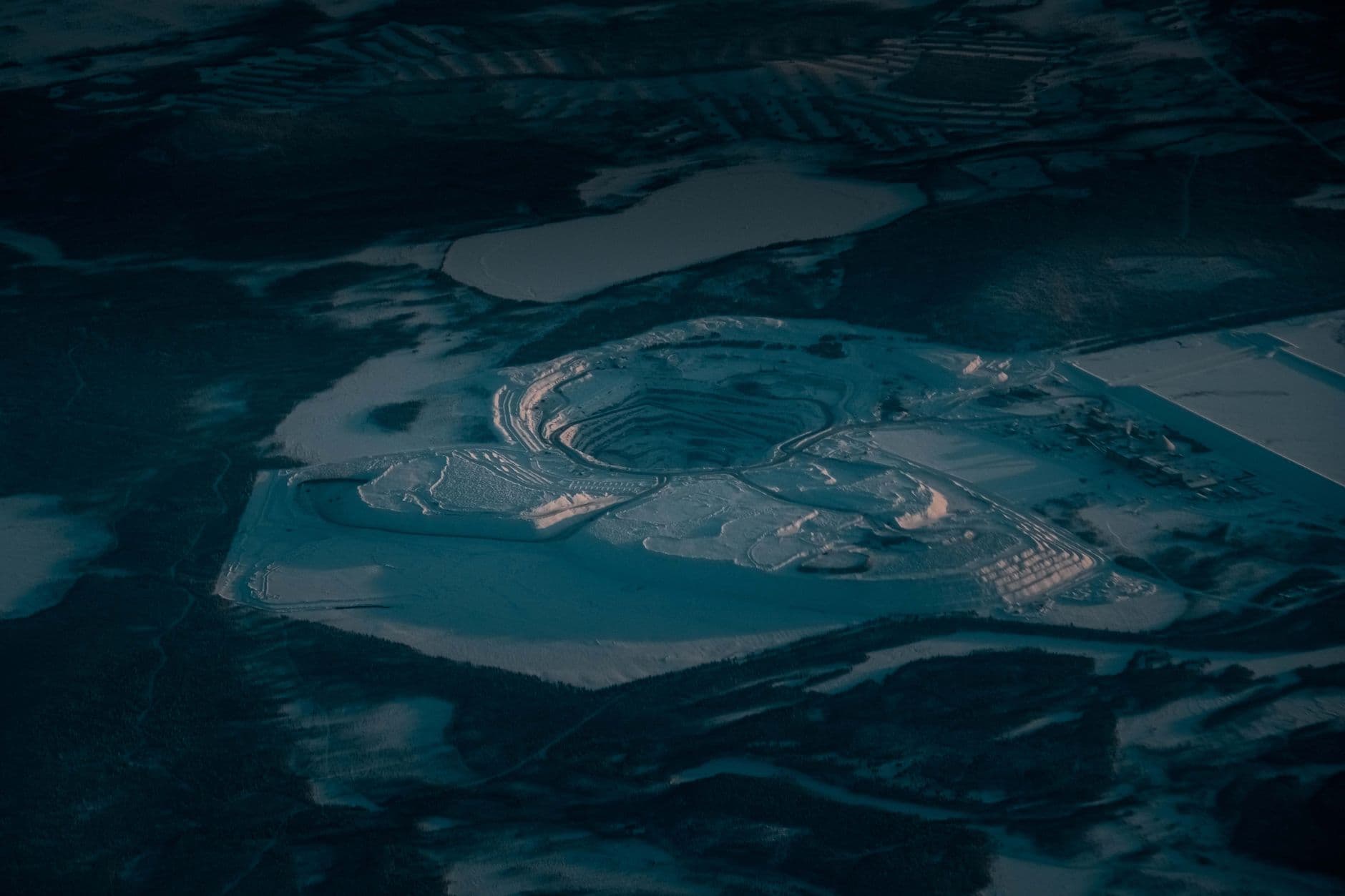
Gold Fields' Windfall project in Quebec has hit a permitting wall even as CEO Mike Fraser defends a contested Northern Star takeover bid and a Ghana lease dispute, while Panama edges toward a negotiated Cobre Panama restart and Glencore secures approval to mine coal in Australia through 2045.
The EPA is walking away from its authority over power-plant carbon emissions. Fund managers, European wind developers and Congress are building anyway — proof the clean-energy expansion no longer waits for Washington's permission.