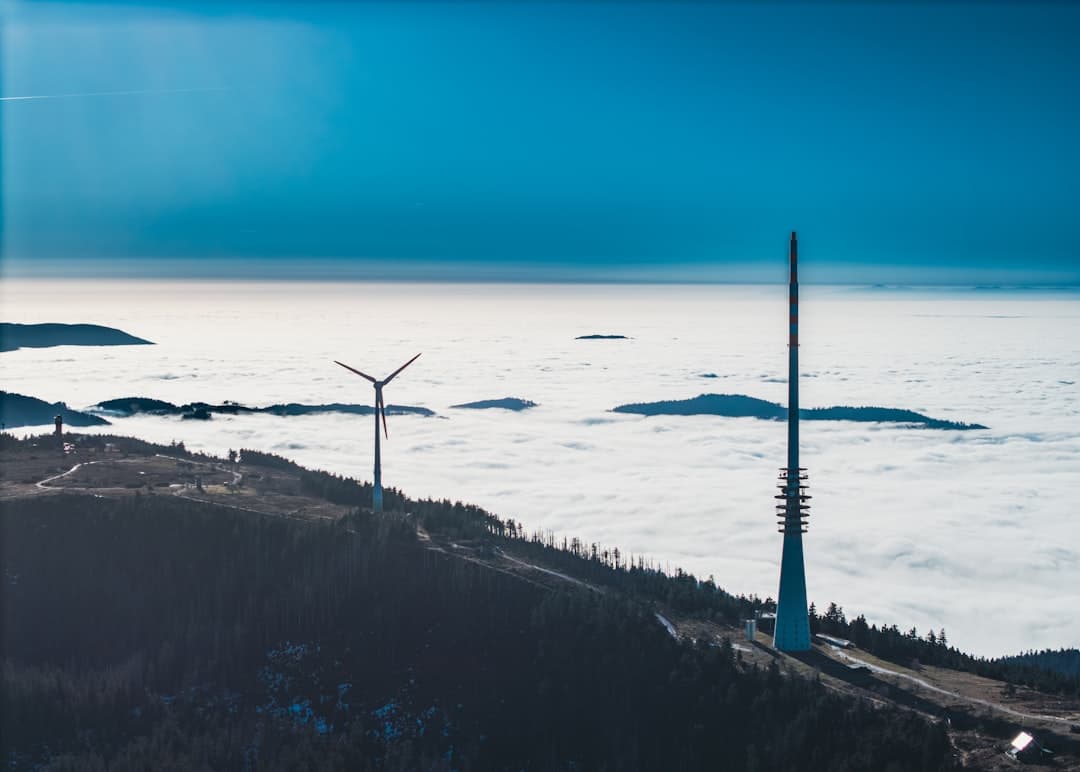
The biggest ever U.S. clean energy infrastructure project, an $11 billion wind farm and transmission line in New Mexico, is fully operational after nearly two decades of permitting and construction , Pattern Energy announced Thursday. The SunZia project combines approximately 3,650 megawatts of wind generation with a 550-mile high-voltage direct current transmission line, enabling electricity generated in New Mexico to power roughly one million homes annually . That's three times larger than the next two biggest U.S. renewable projects combined, Reuters reported.
The timing is striking. Its completion comes as the administration of U.S. President Donald Trump has slowed permitting progress on renewable energy projects, particularly wind, and is prioritizing fossil fuel development . SunZia began development in 2006 -- before the first iPhone shipped. The fact that it crossed the finish line at all says something about the momentum behind projects that secure financing and regulatory approval before political winds shift.
Can Corporate Buyers Replace Government Support?
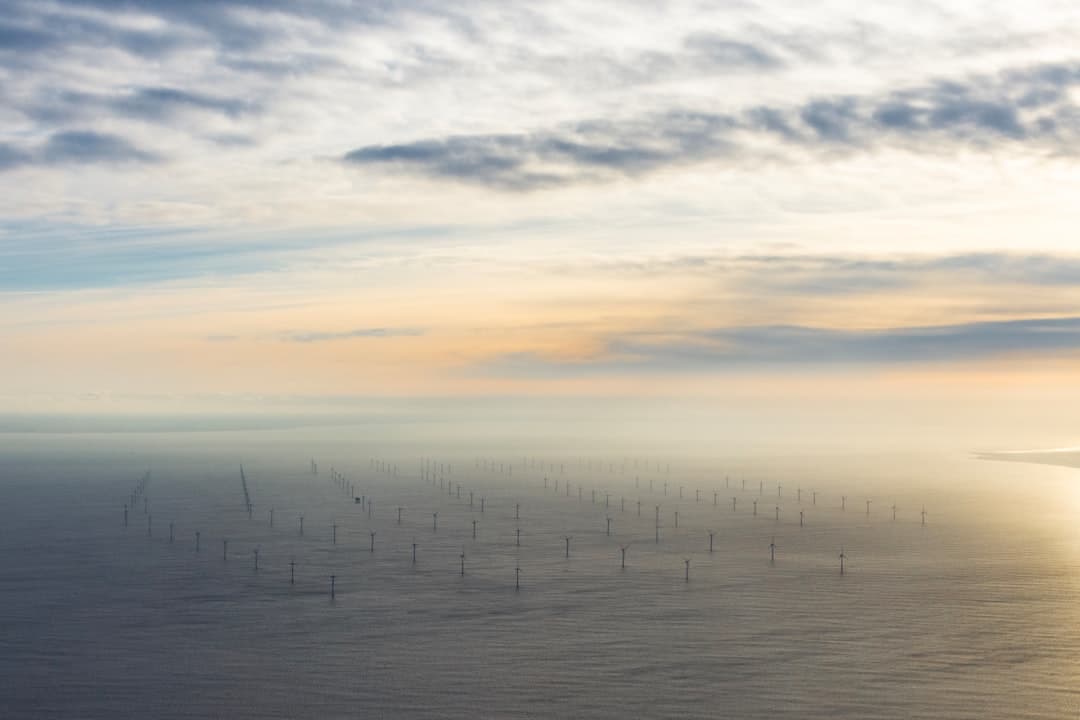
Across the Atlantic, a different model is taking shape. Amazon signed a 600 MW Power Purchase Agreement for the Gennaker offshore wind farm in the German Baltic Sea -- the largest single PPA in Germany and one of the largest in Europe , Skyborn Renewables announced Thursday. Once operational, Gennaker is expected to generate enough carbon-free electricity to power the equivalent of more than 1 million German households annually .
This marks Amazon's second major German offshore wind deal in four months. In February, Amazon and RWE signed a Power Purchase Agreement for 110 megawatts from RWE's German Nordseecluster B offshore wind farm, building on a Strategic Framework Agreement signed between the two companies in June 2025, under which RWE supports Amazon's carbon-free energy goals while Amazon Web Services provides cloud services, AI and data analytics to advance RWE's digital transformation .
The pattern is clear: tech companies with massive data center power needs are stepping into roles once reserved for utilities. Amazon said the Gennaker agreement is its largest renewable energy purchase deal in Germany to date and expands its carbon-free energy portfolio in the country to 12 projects with a combined capacity exceeding 1.3 GW . That's enough to power a mid-sized European city -- and it's all contracted before a single turbine hits the water.
What About the China Problem?
Europe's offshore wind ambitions face a complication that rarely appears in press releases: manufacturing. Germany is considering backing the construction of an offshore wind power-conversion platform in the Baltic Sea as it looks to tackle China's dominance in renewables infrastructure, according to people familiar with the deliberations, with grid operator 50Hertz Transmission set to announce that a consortium including Germany's Siemens Energy won a tender for a 2-gigawatt converter platform, and the government considering whether to support the deal with up to €300 million in loan guarantees , Bloomberg reported.
The concern isn't theoretical. More than 90 per cent of permanent magnets, necessary for both onshore and offshore wind turbines, come from China, and the action plan calls for drawing up an industry roadmap for permanent magnets by the end of this year or the beginning of 2025, showing how dependencies can be incrementally reduced , according to Germany's wind industry action plan.
Spain is taking a different approach to its renewable challenges. Bloomberg reported this week that Spain is weighing financial aid for its struggling solar power industry, though details remain scarce. The move would follow a €2 billion funding package announced earlier this year, with Vice President Sara Aagesen saying the aid package will boost competitiveness in four key areas: the industrial value chain, the integration of renewable energy solutions into the economic fabric, a renewed push for electric mobility, and innovative thermal solutions in the industrial and residential sectors , according to Mercom India.
Meanwhile, a quieter electrification story is unfolding in China's mining sector. Xinjiang Zijin Zinc, one of China's largest lead-zinc mine operators, is gradually replacing traditional diesel trucks with a green fleet, with owner Zijin Mining Group saying it stands as one of the single mines with the largest fleet of battery electric mining trucks globally , International Mining reported. With over 290 electric trucks now handling 80%+ of the mine's transport, this clean energy and AI-driven model offers a proven, replicable blueprint for green transitions across Zijin's open-pit mines worldwide . The mine utilises a smart, zero-carbon transport loop involving local wind, solar, and energy storage projects to source green power and achieve energy self-sufficiency .