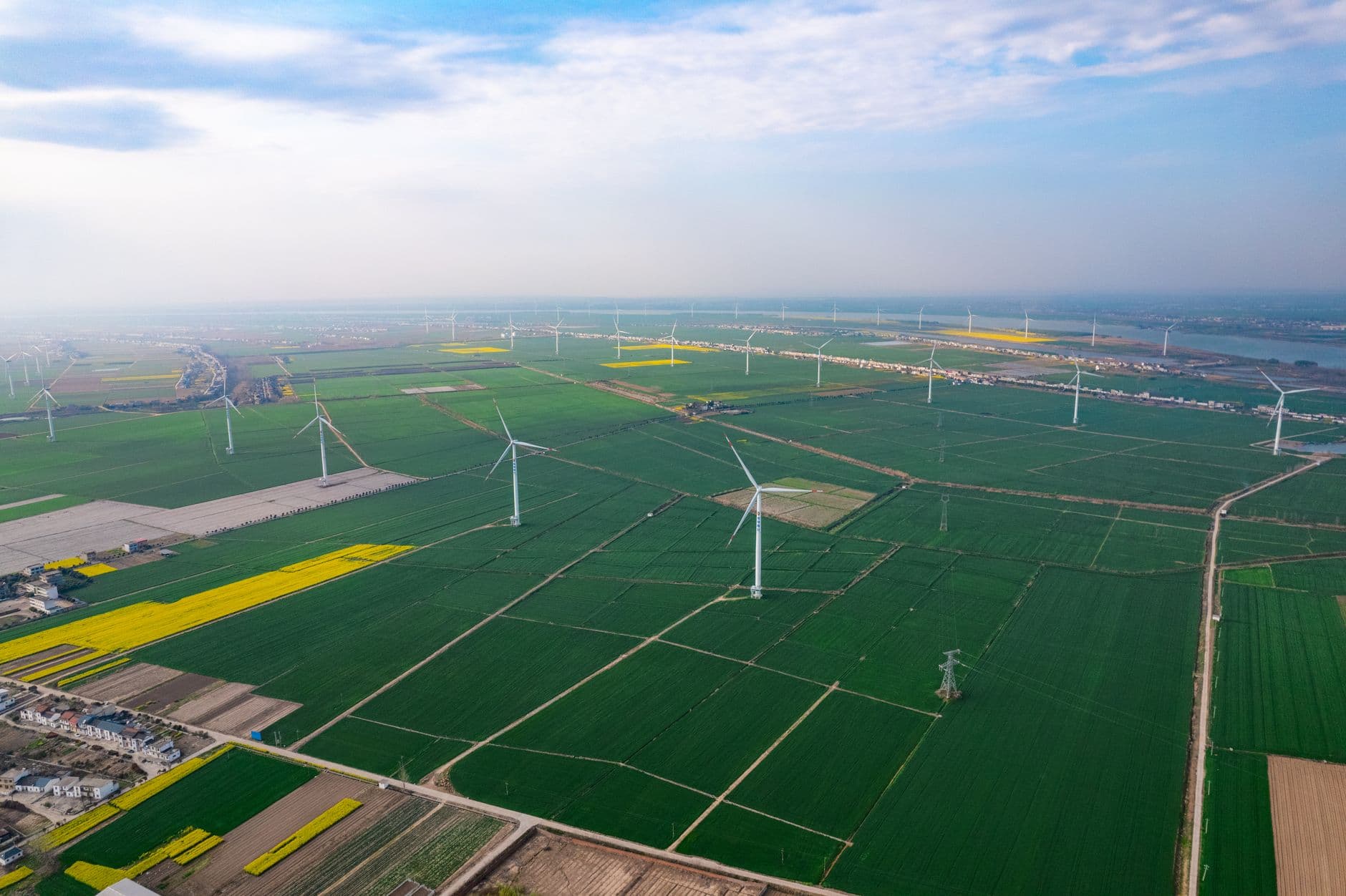
South Korea's SK Group and KKR launched a $1.3 billion renewable energy platform on Wednesday , the same week Shell confirmed it's preparing to sell its offshore wind farms for over $1 billion . The timing is not coincidental. As Western oil majors retreat from renewables to appease shareholders demanding higher returns, Asian conglomerates and private equity are betting the opposite direction—wagering that surging demand for clean power from AI data centers and semiconductor production lines will make renewable infrastructure the next decade's most valuable asset class.
The divergence is starker than the headlines suggest. China laid out broad new rules in June mandating increased use of renewables, with binding targets for the percentage of electricity that must come from renewable sources starting August 1 , Bloomberg reported. Meanwhile, Shell CEO Wael Sawan is aiming to curb the company's low-carbon projects to focus on liquefied natural gas trading and upstream . One side is writing mandates into law. The other is writing down assets.
Can You Secure a Grid You Don't Control?
The Trump administration is drafting a ban on imports of foreign inverters—which connect solar projects and batteries to the grid—over concerns China could use them to disrupt power supplies, with the rule being drafted by the U.S. Federal Communications Commission and potentially published as early as this year , according to Reuters. The move follows the European Commission's May decision to restrict EU funds for projects involving inverters from "high-risk" suppliers, which effectively ended funding for products from Chinese companies .
The problem: China is the world's largest maker of inverters, led by Sungrow Power Supply and Huawei . Banning them is straightforward policy. Replacing them is not. Chinese inverter giant Sungrow notes it took China 20 years to develop its industrial chain for the product, and it could take the United States five years to build out its own local supply chain , the South China Morning Post reported.
Lars Stephan, who leads the Policy and Advocacy Department for U.S. energy company Fluence, said at the recent European Sustainable Energy Week conference in Brussels that the EU's decision to ban financing for inverters from high-risk provider countries is already changing customer buying behaviour . That's the point. But it also means projects are stalling, costs are rising, and developers are scrambling to rewrite contracts with non-Chinese suppliers who lack the scale to meet demand.
The irony: the West wants energy security through renewables, but it's discovering that energy security also means supply chain sovereignty—and on that front, it's a decade behind.
Why Europe's Solar Boom Is Becoming a Revenue Bust
Spain installed so much solar capacity last year that it flooded the grid, pushing prices deep below zero during peak times, and only six months into 2026 the country has already surpassed its annual record for the number of hours when producers must pay users to take their electricity , Bloomberg reported. The average price capture—the price that solar generation earns relative to average market prices—in the first half of 2026 in Germany, France, the Netherlands, Belgium, Italy, and Spain fell by about 42% compared with the same period in 2023 , according to LSEG data.
Translation: Europe built the solar capacity it needed. It didn't build the grid flexibility to use it.
Record curtailment volumes were observed in 2026 in Germany and Spain, with German producers curtailing about 1.28 TWh in May and Spain more than 2.4 TWh . That's not a rounding error—it's enough electricity to power Portugal for a month, simply thrown away because the grid couldn't absorb it.
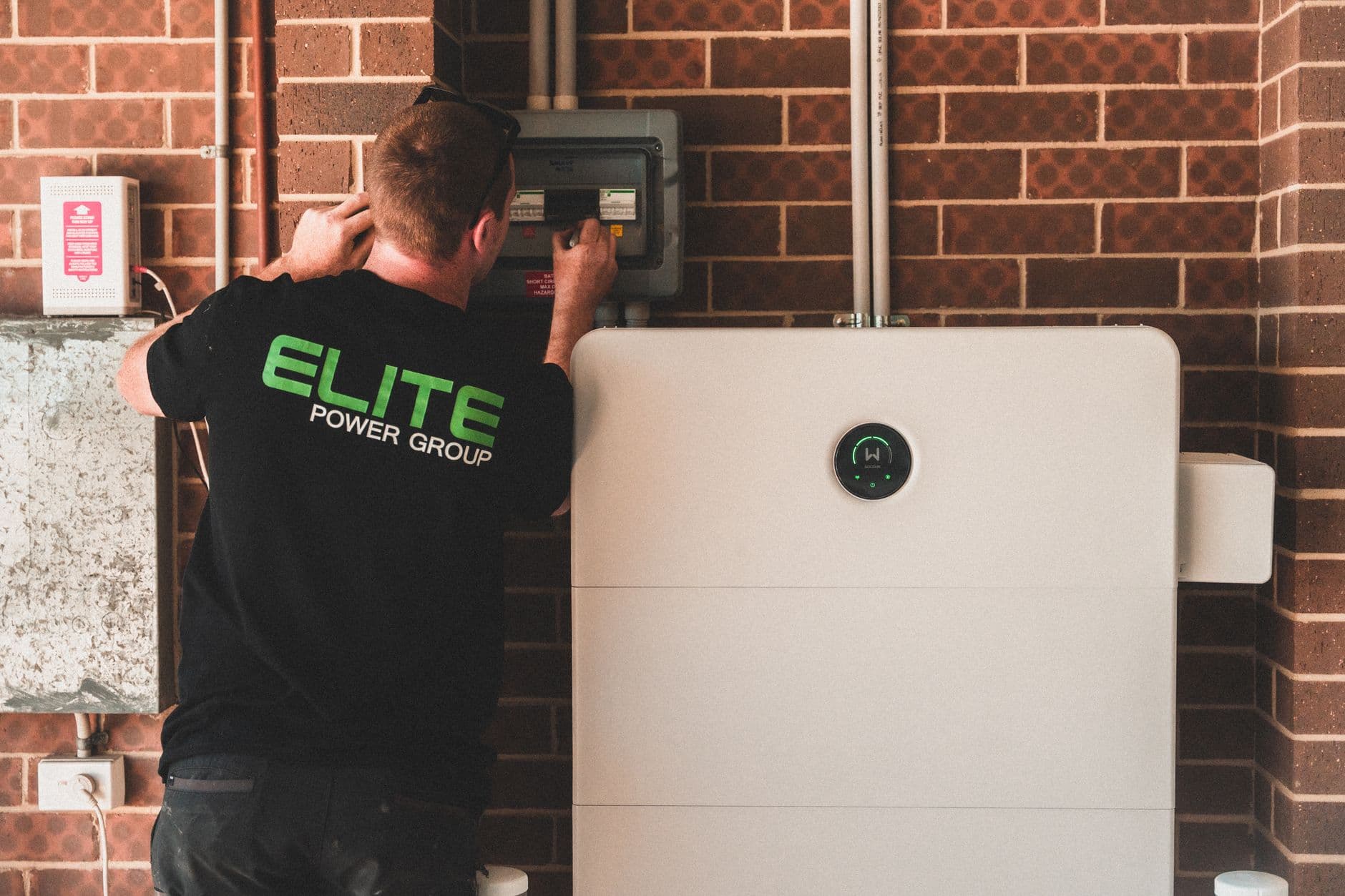
The fix requires three things Europe doesn't have enough of: battery storage, transmission capacity, and time-of-use pricing that shifts demand to match supply. The EU installed 27.1 gigawatt-hours of new battery energy storage systems in 2025, marking 12 consecutive years of record growth , according to Solar Power Europe. But the solar buildout is outpacing storage deployment by a factor of five.