Vessel traffic through the Strait of Hormuz has plunged from more than 120 ships per day to roughly a dozen, with at least seven ships transiting on April 20, 2026 , according to recent analysis. Global energy markets moved from cautious optimism to outright crisis in a matter of months , the Gulf International Forum reported. The result: consumers worldwide are rethinking how they power their homes.
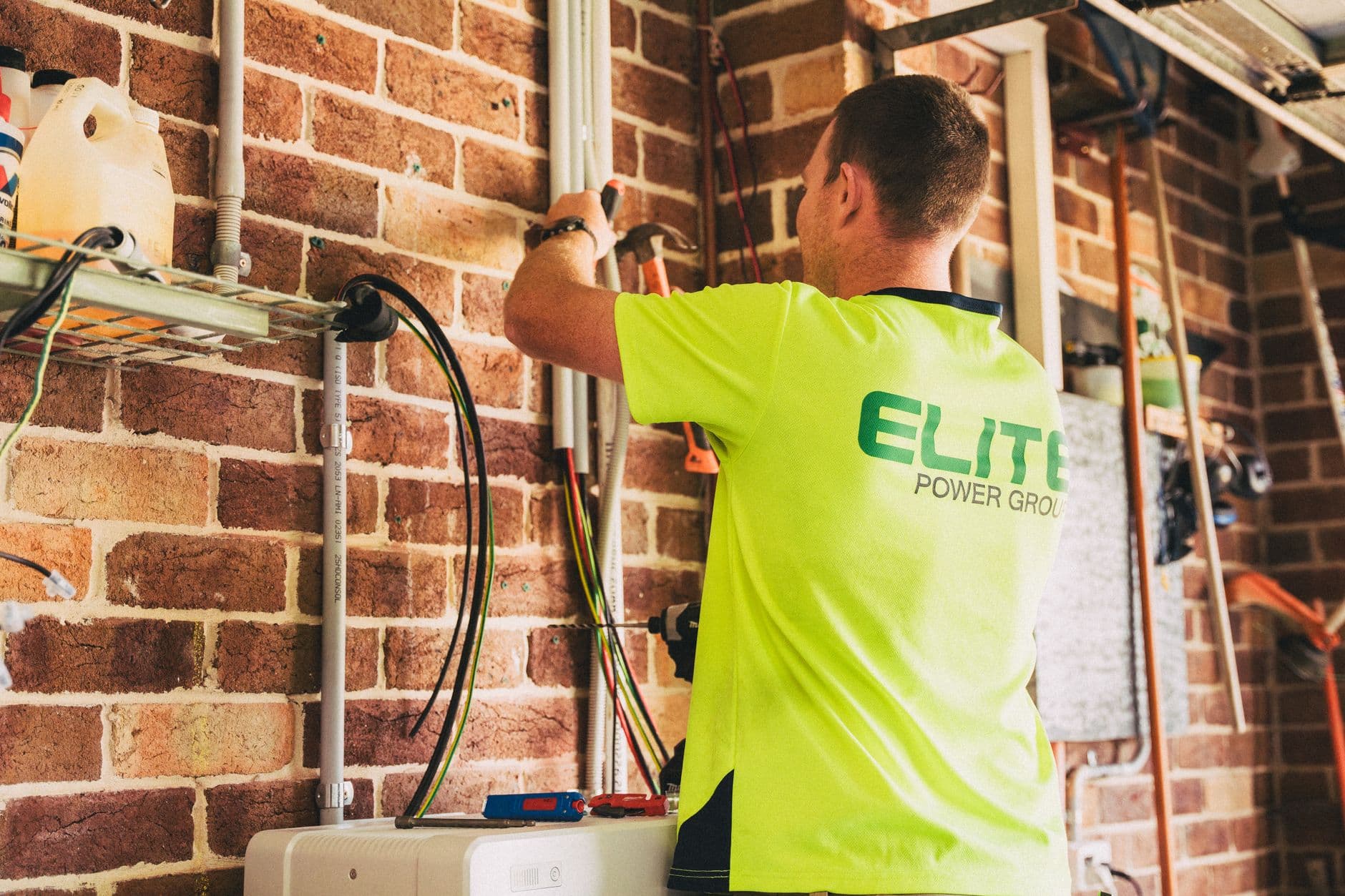
OilPrice.com reports that global shipments of battery energy storage systems increased by 75.5%, reaching 421.2 GWh in 2025, with 600 GWh projected for 2026 . The driver is simple economics. Consumers are battling higher energy bills due to inflation and price volatility driven by restrictions on energy trade through Hormuz, OilPrice.com noted. That has prompted a surge in household solar systems paired with batteries -- a way to produce clean, affordable power and store it for use around the clock.
The numbers tell the story of a market hitting its stride. The global battery energy storage system market is calculated at $10.16 billion in 2025 and predicted to reach approximately $102.69 billion by 2035 , according to Precedence Research. Over 4.24 million households in Australia have solar panels as of 2026 , making it a global leader in residential battery demand, industry analysts note.
Can Renewables Fill the Gap Left by Oil Majors?
Shell is preparing to sell its offshore wind farms for more than $1 billion, Bloomberg reported this week. The company has tapped advisers from Rothschild & Co. and PJT Partners Inc. to lead the sale , with the process potentially kicking off by year-end and a sale likely in 2027. Chief Executive Officer Wael Sawan has sought to cut costs and offload low-returning assets since taking over more than three years ago, vowing to focus more squarely on delivering returns for shareholders .
The move is part of a broader retreat. Shell once floated a goal to become the world's biggest electricity producer. Those plans were shelved under Sawan's leadership. BP is following a similar path -- the company announced plans to exit its $2 billion U.S. onshore wind business earlier this year, according to industry reports.
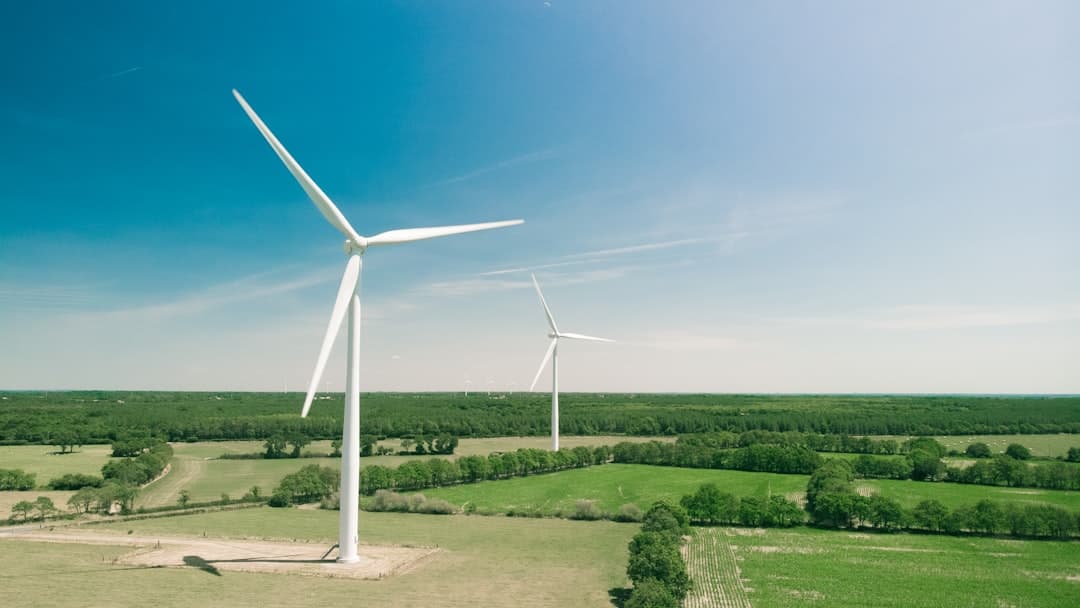
But as oil majors pull back, governments are stepping in. France's energy ministry announced it will open a call for tenders for 10 gigawatts of offshore wind projects, divided equally between 5 GW of fixed-bottom wind farms and 5 GW of floating wind farms , Reuters reported. The projects aim to expand France's offshore wind capacity from less than 2 GW currently to 15 GW by 2035 . The 5GW allocation for floating wind represents the largest single commitment to the technology globally , according to industry observers.
The contrast is striking. Private capital is flowing out of wind at the same moment public procurement is scaling up. The question is whether state-backed tenders can absorb the capacity -- and the risk -- that companies like Shell are shedding.
What's Driving the Fusion Bet?
Suppliers to the fusion industry are eyeing a windfall. The Financial Times reports that groups are betting on a race for reactors that could create a $73 billion market. The fusion energy market will grow from $288.05 billion in 2025 to $310.99 billion in 2026 at a compound annual growth rate of 8% , according to a market report cited by industry publications.
Private and public investment in fusion hit $10 billion by September 2025 , representing a dramatic shift from the historically government-dominated research landscape, according to ResearchAndMarkets.com. Major energy corporations including Chevron, Eni, and Shell have made strategic investments, signaling growing confidence in fusion's commercial potential .
Near-term projections suggest the first commercial fusion power plants could begin operation between 2030-2035, with Commonwealth Fusion Systems and UK-based First Light Fusion both announcing timelines targeting commercial plants by 2031-2032 . The technology promises abundant clean energy with minimal radioactive waste and no risk of meltdown. Whether it can deliver on that promise at commercial scale remains the $73 billion question.