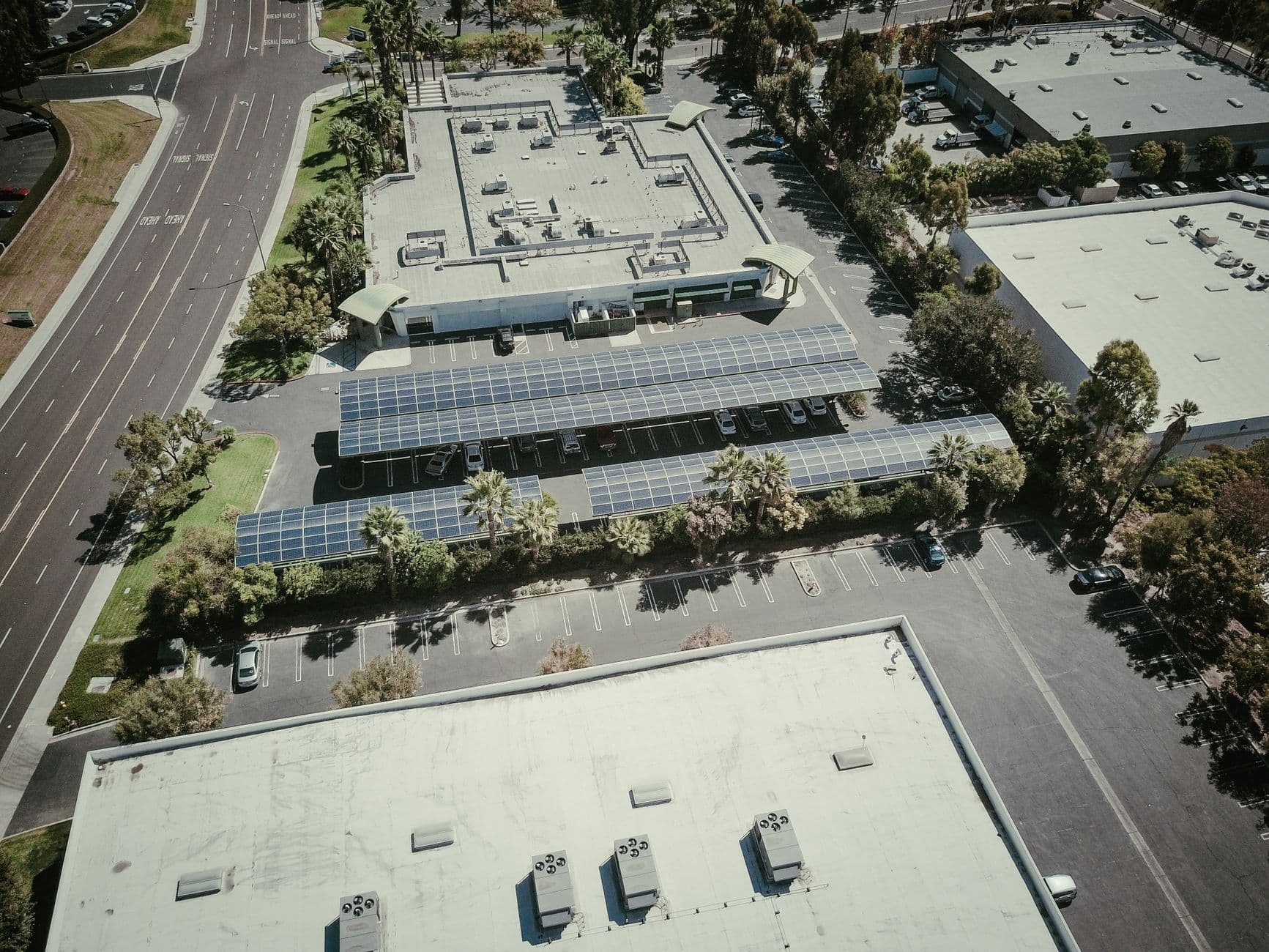
KKR agreed to pay $4.2 billion for EDF's North American renewable energy operations on Tuesday, the latest in a string of deals that signal private equity's conviction that clean power has become critical infrastructure. The French utility is selling to raise cash for its 57 aging domestic nuclear reactors and six new units under construction , but the buyer's calculus is simpler: KKR is betting on rising power demand driven by AI data centers and electrification . The transaction hands the New York firm 5.6 gigawatts of wind, solar, storage, and EV charging assets across the U.S. and Canada — enough to rank among the 10 largest renewable owners in the country .
It's not an isolated move. The same week, KKR and South Korea's SK Inc launched a $1.3 billion renewable platform combining 1.7 GW of operating capacity with a pipeline targeting 10 GW , designed to meet surging electricity demand from chip manufacturing and AI. Both deals underscore a shift: renewable energy is no longer just about decarbonization. It's about keeping the lights on for the most power-hungry industries on earth.
Can the Grid Keep Up With the Data Centers?
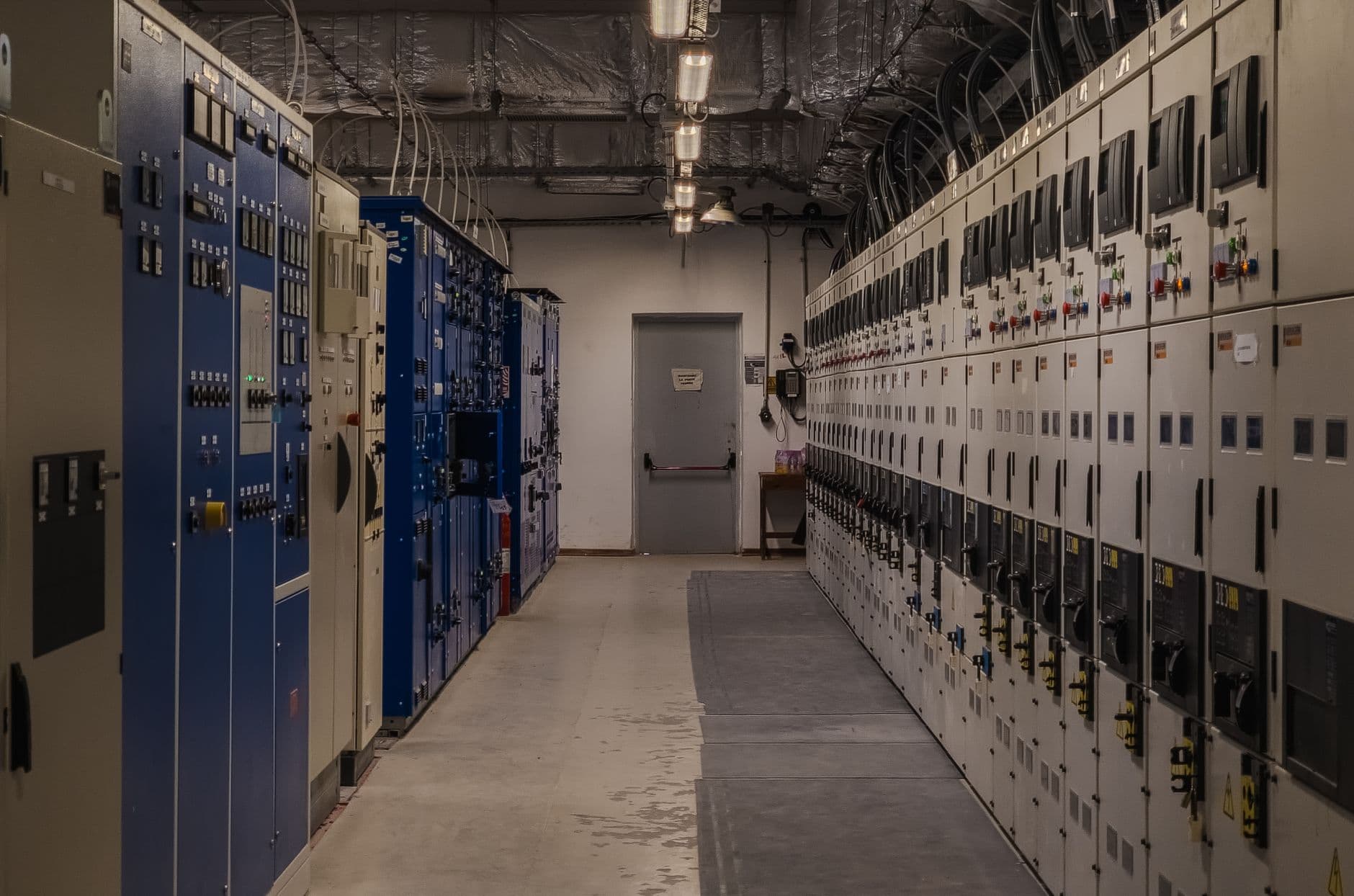
Electric vehicles, heat pumps, and highly concentrated loads like data centers are expected to grow rapidly, even as more than 2,500 gigawatts of projects — renewables, storage, and large loads — remain stalled in grid connection queues worldwide , the International Energy Agency reported last week. The bottleneck is real. BloombergNEF projects solar will become the world's largest electricity generator by 2032, while storage capacity jumps 17-fold to 3.8 terawatts by 2050 . But building the wires and substations to move that power is proving slower than building the turbines and panels.
That's where storage comes in. The United States added 3.3 GW of energy storage in the first quarter of 2026, a record for the seasonally slow period , according to Wood Mackenzie and the American Clean Power Association. Homeowners installed a record 673 megawatts of battery storage in the same quarter , the U.S. Energy Information Administration reported. The residential surge reflects more than blackout anxiety. The federal investment tax credit for energy storage systems, which can offset 30% or more of deployment costs, was preserved even as Congress accelerated the expiration of corresponding credits for wind and solar under last year's One Big Beautiful Bill Act.
Storage is becoming the flexibility valve that allows grids to absorb more intermittent renewables without collapsing. Average battery grid storage costs are more than two times lower than two years ago and more than three times lower than three years ago, while more than 90% of new renewable energy projects are now cheaper than fossil fuel alternatives , RMI noted in its 2026 outlook.
What's Behind the Chinese Inverter Crackdown?
While capital floods into clean energy, Washington is moving to wall off a critical piece of the supply chain. The Trump administration is drafting a ban on imports of foreign inverters — which connect solar projects and batteries to the grid — over concerns China could use them to disrupt power supplies, according to five people with knowledge of the matter . Reuters reported Monday that the rule being drafted by the Federal Communications Commission would apply to new foreign models and could be published as early as this year .
China is the world's largest maker of inverters, led by Sungrow Power Supply and Huawei, and has been growing its share in the Western market by driving down prices . The Trump administration was spurred to revive the effort in part by a European Commission decision in May to ban Chinese-made inverters from publicly funded energy projects , the sources said. Last year, Reuters reported that rogue communication devices not listed in product documents had been found in some Chinese solar inverters by U.S. experts who examine equipment hooked up to grids .
The move would add another layer of friction to an already strained supply chain. Battery storage retains tax credits for projects beginning construction by 2035 but faces higher supply chain risks from aggressive foreign entity of concern restrictions and ongoing tariffs , Deloitte warned in its 2026 renewable energy outlook. If the inverter ban proceeds, developers will need to source from a narrower pool of suppliers, likely at higher cost, just as deployment is accelerating.