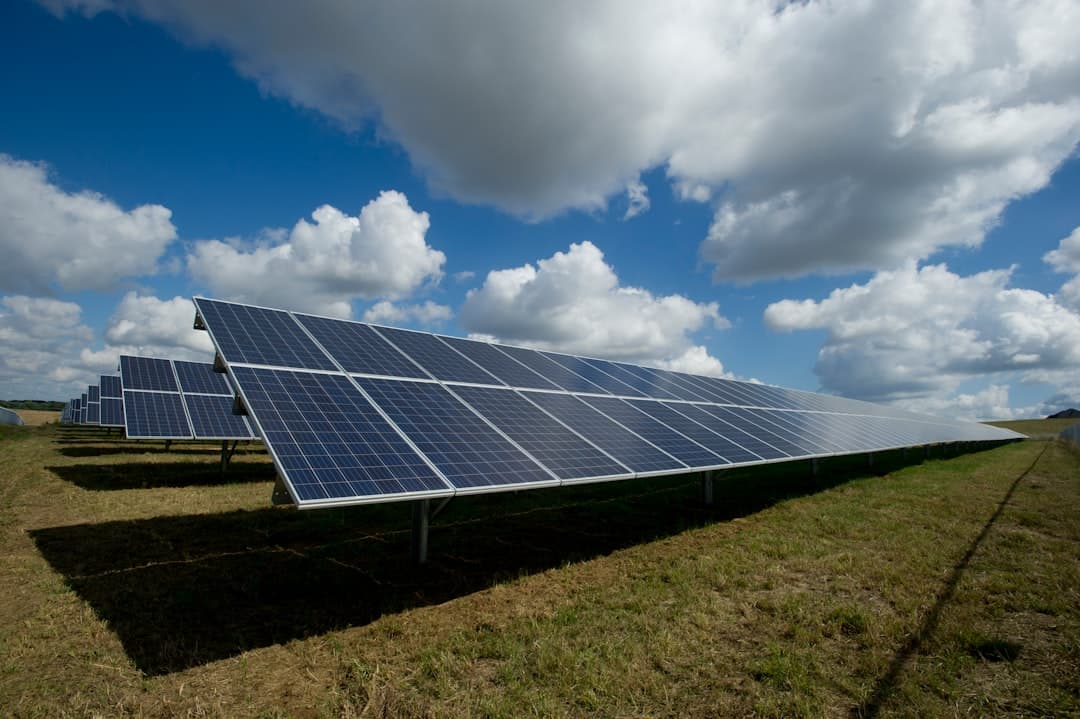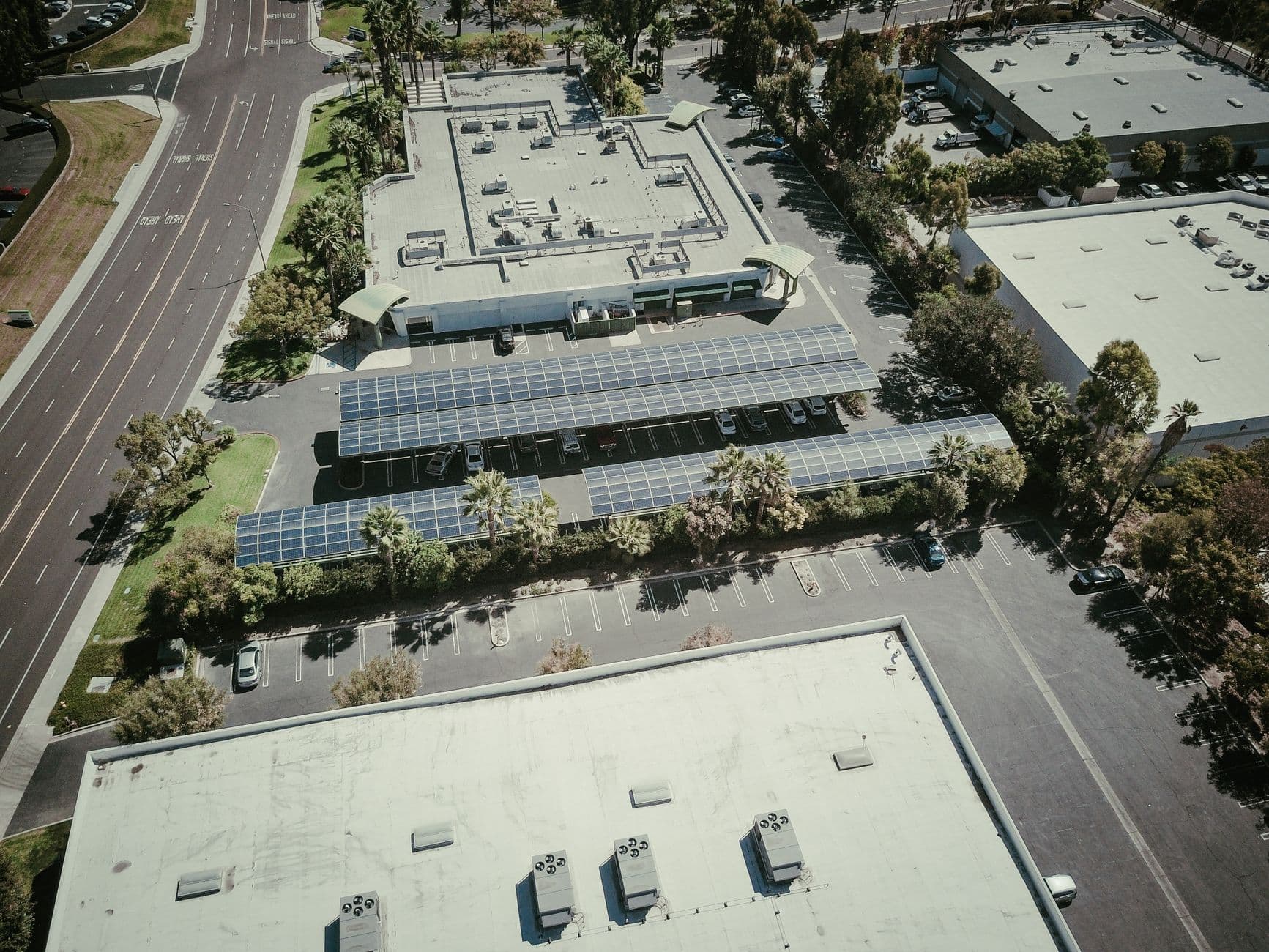
Australia will cut the cost of installing solar on factory and warehouse rooftops by roughly 20 percent starting October, Bloomberg reported. The same government that just told data centers they must fund renewable generation equal to their electricity use is now making it cheaper for businesses to do exactly that.
Energy Minister Chris Bowen announced the discount Wednesday, expanding the Small-Scale Renewable Energy Scheme to cover systems up to 1 megawatt—ten times the current 100-kilowatt cap , according to the Australian Financial Review. A retailer installing a 250-kilowatt system could save nearly $70,000; a logistics warehouse with an 850-kilowatt array could save more than $230,000 , the ABC reported. The government estimates more than 80 gigawatts of commercial rooftop solar potential remains untapped, yet only 5.6 gigawatts has been installed , according to Energy Matters. That gap is larger than the entire installed capacity of some European countries.
The timing is deliberate. Energy Minister Chris Bowen said Wednesday he would push laws requiring new data centers to use renewable energy, despite opposition from Queensland and the Northern Territory , Bloomberg reported. The policy mandates that large-scale data centers underwrite renewable energy generation equal to or exceeding their electricity usage , making them net generators rather than pure consumers. Data center electricity demand is expected to triple by 2030 , according to the Climate Council. The commercial solar subsidy gives those facilities—and the thousands of other businesses facing rising power costs—a faster, cheaper path to compliance.
Can Solar Actually Bypass the Grid Queue?
It already is. Securing grid power for a new data center in 2026 typically takes 24 to 72 months, with some large-load connections in constrained regions quoted at five to seven years , according to industry analysis from Inflect. Renewable generation, particularly solar paired with battery storage, can bypass congested grid queues entirely through behind-the-meter configurations that allow facilities to operate independently from overburdened transmission systems , Hanwha Data Centers noted.
That advantage is reshaping where and how quickly projects get built. The U.S. Energy Information Administration projects 86 gigawatts of new utility-scale capacity will come online in the U.S. in 2026, with solar accounting for 43.4 gigawatts and battery storage another 24 gigawatts , PV Magazine reported. Solar is not tentatively being explored—it is what the grid is predominantly being built from right now, because it is one of the few generation sources that can still be constructed at scale on a timeline the market can use.
Elsewhere, governments are learning the same lesson. Denmark awarded two offshore wind contracts to Vattenfall this week, marking the first successful tender in two years after the country reworked its approach , the Maritime Executive reported. The previous tender, launched in 2024 for six areas, failed to attract any bids . Denmark adopted a Contract for Difference approach in 2025, where the state guarantees a fixed price for electricity . Vattenfall bid 504 Danish kroner ($77.80) per megawatt-hour for the 1-gigawatt North Sea I Mid project and 542 kroner ($83.70) per megawatt-hour for the 800-megawatt Hesselø project , according to Splash247. Both are due online by 2032.