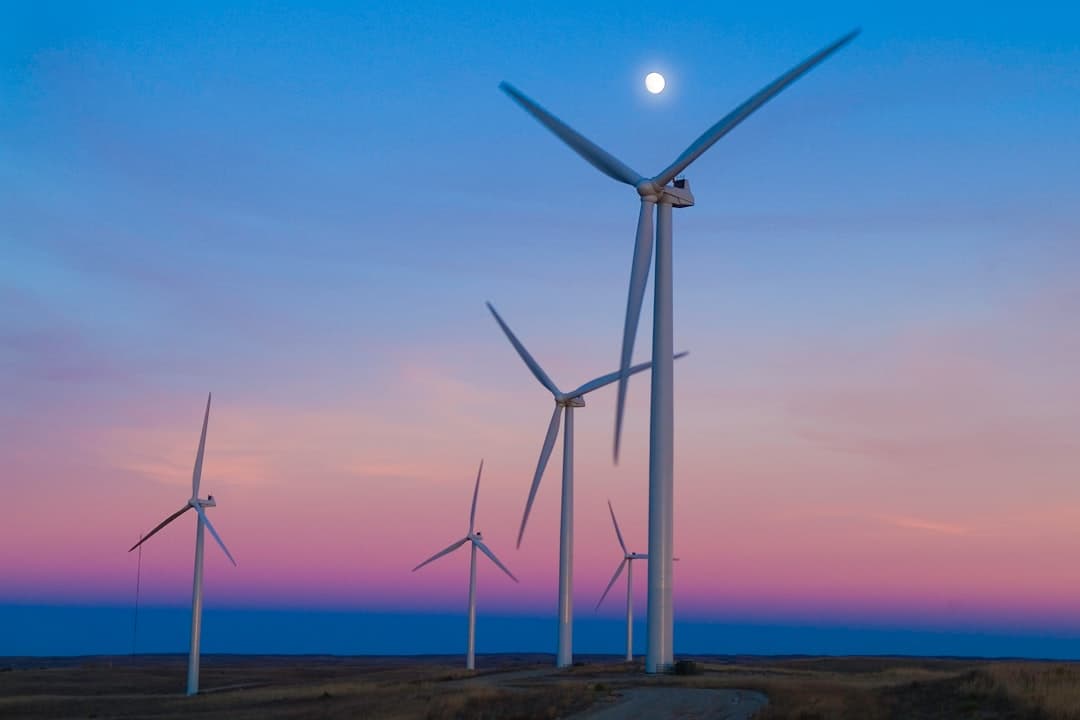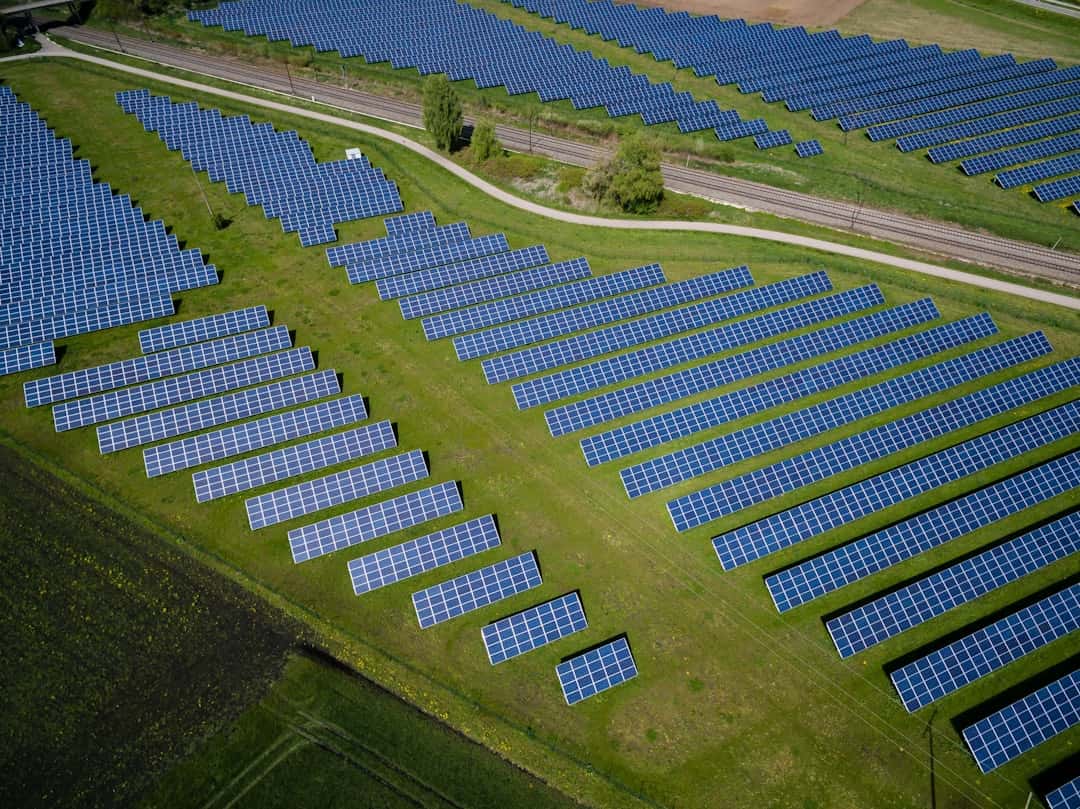
Solar and wind energy paired with battery storage now deliver reliable, round-the-clock electricity at lower costs than fossil fuels, according to a new report released this month by the International Renewable Energy Agency (IRENA) . The finding arrives as global energy markets reel from ongoing disruptions in the Strait of Hormuz, underscoring what IRENA Director-General Francesco La Camera called renewables' "strategic" advantage in "strengthening resilience, stability, and energy security in times of crisis."
Firm levelised costs of electricity for solar plus storage range from USD 54 to USD 82 per megawatt-hour in high-quality resource regions, compared with USD 70–85 per MWh for new coal in China and more than USD 100 per MWh for new gas globally , according to IRENA's "24/7 Renewables: The Economics of Firm Solar and Wind" report. The United Arab Emirates' Al Dhafra complex, which pairs solar PV with battery storage, already delivers a firm 1 gigawatt of clean electricity at around USD 70 per MWh .
The cost collapse has been dramatic. Since 2010, total installed costs declined by 87% for solar PV and by 55% for onshore wind, while battery storage costs fell by 93% , IRENA found. Firm solar-plus-storage costs dropped from above $100/MWh in 2020 to $54/MWh to $82/MWh by 2025 at high-quality resource sites, with IRENA projecting further reductions of roughly 30% by 2030 and around 40% by 2035 .
Can Renewables Really Replace Baseload Power?
The reliability question that has dogged renewable energy for decades appears to be settling. IRENA's estimates for 2025 show that firm wind-plus-storage costs ranged from around USD 59 per MWh in Inner Mongolia to around USD 88-94 per MWh across Brazil, Germany, and Australia, with costs projected to fall to roughly USD 49-75 per MWh across these markets by 2030 . Costs decline further when wind is combined with solar PV, leveraging complementary generation profiles to reduce storage requirements and overall system cost .
These hybrid solutions are well positioned to serve the most demanding electricity users, including artificial intelligence and data centres that require uninterrupted supply as one of the key commercial benchmarks , IRENA noted. Construction timelines are also shortening with projects typically being built within one to two years of securing permits and grid connection, well ahead of new gas-fired alternatives in most markets .
The shift is already visible in market data. Low-emissions energy sources met all new global electricity demand for the first time in 2025, with solar power meeting three-quarters of the 849 TWh in new demand and wind power meeting almost all the rest , according to energy think tank Ember.
What's Happening in Texas?
Solar generation is expected to reach 78 billion kilowatthours in 2026 in the electricity grid operated by the Electric Reliability Council of Texas compared with 60 BkWh for coal , according to the U.S. Energy Information Administration's latest Short-Term Energy Outlook. The milestone marks the first time solar will surpass coal on an annual basis in the state.
Although natural gas remains the dominant source of electricity generation in ERCOT, accounting for an average 44% of electricity generation from 2021 to 2025, solar's share of the generation mix has increased from 4% to 12% in those years, while coal's share has decreased from 19% to 13% , the EIA reported. Approximately 40% of total solar capacity additions in the United States in 2026, or 14 BkWh, are expected to occur in Texas .
Among the projects expected to come online in Texas this year is the combination solar and battery energy storage system project Tehuacana Creek 1 Solar and BESS, which at 837 megawatts is expected to be the largest solar photovoltaic project that will come online in 2026 , according to the EIA.
Nationally, the picture is equally striking. Utility-scale solar, wind, and battery storage will add more than 80 gigawatts of new generating capacity in the US by February 28, 2027, while total fossil fuel and nuclear power capacity will fall by almost 5 GW , according to EIA data reviewed by the SUN DAY Campaign. EIA expects utility-scale battery energy storage to surge from 44,630.7 MW to 67,549.6 MW – an increase of 51.4% over the forecast period.
Why Are UK Wind Farms Stuck in Queue?
Not all renewable news is positive. The majority of the UK's recently announced offshore wind farms are stuck in a queue waiting for grid connections, despite a government push to speed up investment , Bloomberg reported this week.
Ørsted reported that National Grid informed the company that the connection onshore for the 2.9GW Hornsea 3 project will be delayed by up to two months , according to CEO Rasmus Errboe in a conference call following the Danish developer's first quarter results. The project is 25% done and is moving forward "according to plan" from a "construction perspective" , Errboe said.
The grid bottleneck threatens broader UK ambitions. Offshore wind leaders gathered at the All-Energy 2026 conference in Glasgow warned that grid delays, transmission charging and political uncertainty still threaten future investment , according to the reNEWS Podcast. All planned upgrades must conclude by 2028 to enable the integration of projects currently in the pipeline, with industry group OEUK advocating for more stringent accountability for grid operators, including clear deadlines and compensation mechanisms for delays .
Despite the challenges, more than 8GW of offshore wind capacity secured contracts in the AR7 auction, including major awards for projects in England, Wales and Scotland .