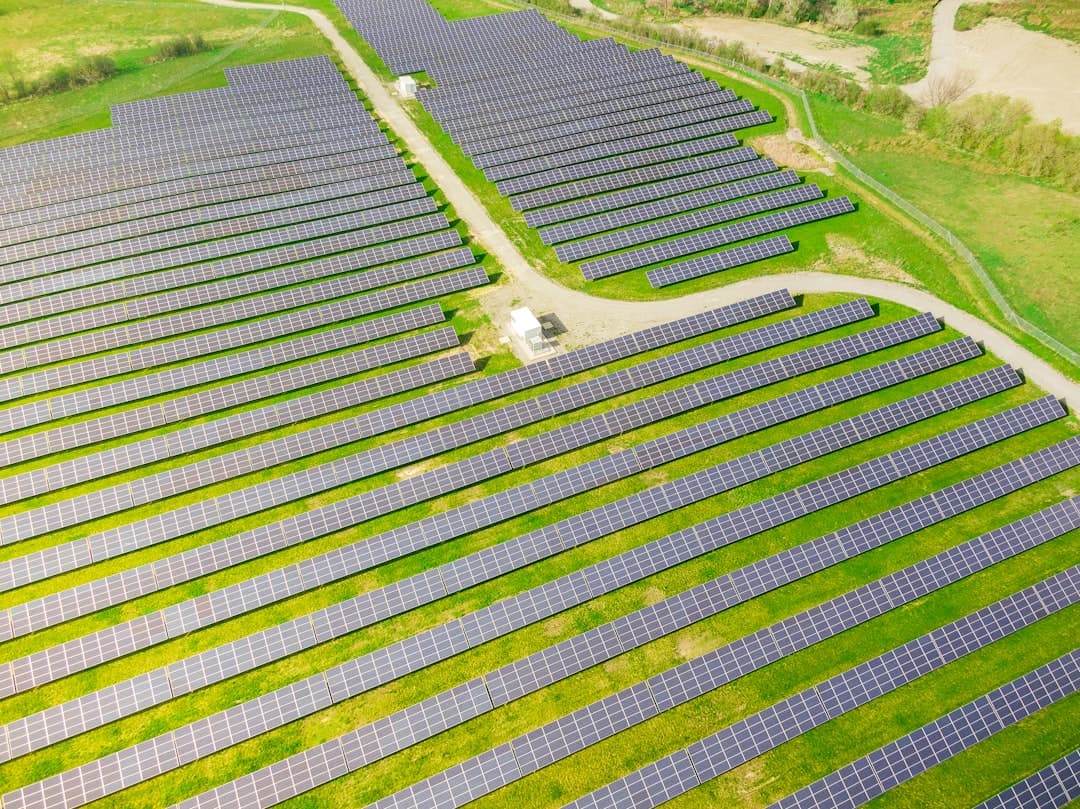
China's solar manufacturing capacity hit 1,200 gigawatts in 2025. Global demand? Just 650 gigawatts. That mismatch has turned the world's dominant solar industry into a profitability crisis—and now the giants are scrambling for an exit.
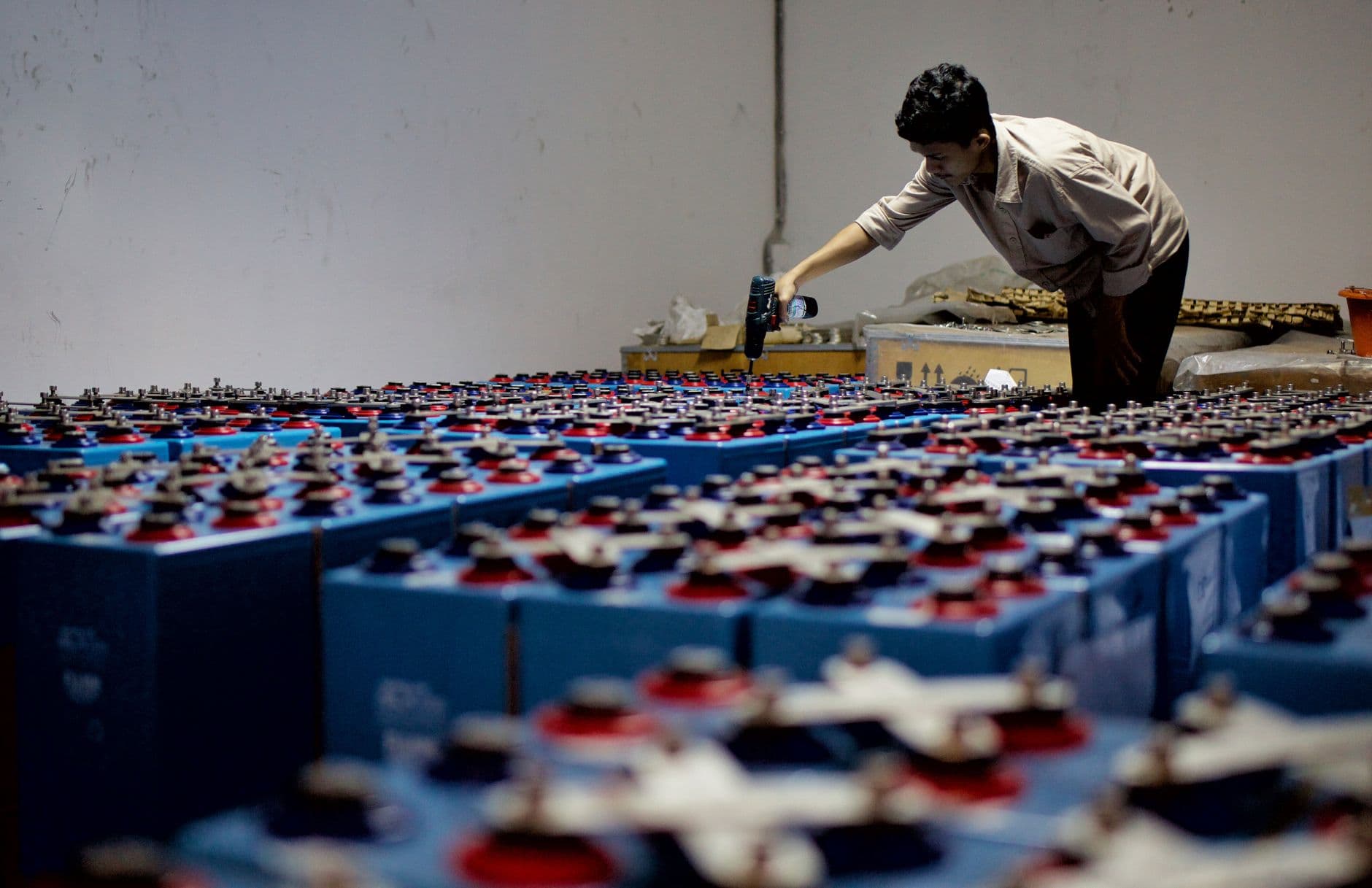
JinkoSolar, LONGi, Trina Solar, and Canadian Solar are all making the same bet: batteries. According to industry reports, JinkoSolar plans to nearly triple its battery manufacturing capacity from five gigawatt-hours to thirteen or fourteen gigawatt-hours by the end of 2026, Saurenergy reported. LONGi has entered the storage space with a target of 6 GWh shipments this year, while Canadian Solar delivered a record 7.8 GWh of storage shipments in 2025. The pivot is existential. Solar panel prices have collapsed under the weight of overcapacity, and margins have evaporated. Energy storage, by contrast, is booming—and Chinese firms already control the supply chain.
Can Storage Save the Solar Giants?
The economics are stark. Chinese solar manufacturers are caught in what industry analysts call a structural imbalance: excess capacity, falling module prices, and uneven demand are steadily eroding margins, according to Saurenergy. LONGi itself noted that it was impacted by "persistently low product prices and insufficient capacity utilisation" in 2025. For companies that once printed money selling panels, the shift to batteries isn't optional—it's survival.
The storage market is responding. Global shipments of grid-scale batteries, dominated by Chinese firms like CATL and BYD, nearly doubled in the first quarter of 2026, according to Enkiai. China's total energy storage battery exports reached 27.3 GWh in Q1 2026. Chinese battery makers unveiled plans to add more than 600 gigawatt-hours of new production capacity for the energy storage system market in just the first two months of 2026, according to the GGII Energy Storage Research Institute—roughly ten times the 58 gigawatt-hours of total capacity installed across the U.S. in 2025.
JinkoSolar's chairman called the company's energy storage systems business a bright spot, with shipments increasing significantly year-over-year to approximately 1.42 GWh. "A higher contribution from high-value overseas markets supported a more optimized market mix," he said, per Saurenergy.
Will India's Grid Rules Strangle Its Clean Energy Ambitions?
India wants 500 gigawatts of non-fossil fuel capacity by 2030. It had 288 GW as of March, with wind and solar accounting for 73% of the total, Reuters reported. But new grid compliance rules, set to take effect in April 2027, are spooking investors who warn the regulations could slash returns and impede the investment needed to close that gap.
The rules sharply increase penalties when renewable power producers fail to deliver electricity matching their commitments to the grid, according to industry executives and documents reviewed by Reuters. Industry groups estimate the tougher regime could cut revenue by about 11% for solar projects and as much as 48% for wind farms. "Developers will face very high penalties even when deviations are small," Debabrat Ghosh, India head at energy consultancy Aurora Energy Research, told Reuters. "This tightens margins, revenues will shrink and project viability will be affected."
Investors are pushing back. Blueleaf Energy, which plans to deploy about $3 billion in India, expects grid-related constraints to delay equity deployment by two to three years, Reuters reported. The investors warned that regulatory tightening was advancing faster than improvements in transmission infrastructure and battery storage capacity. India's federal power regulator has said the tougher framework is needed to protect grid stability as renewable capacity expands rapidly—but the timing has created a collision between ambition and execution.