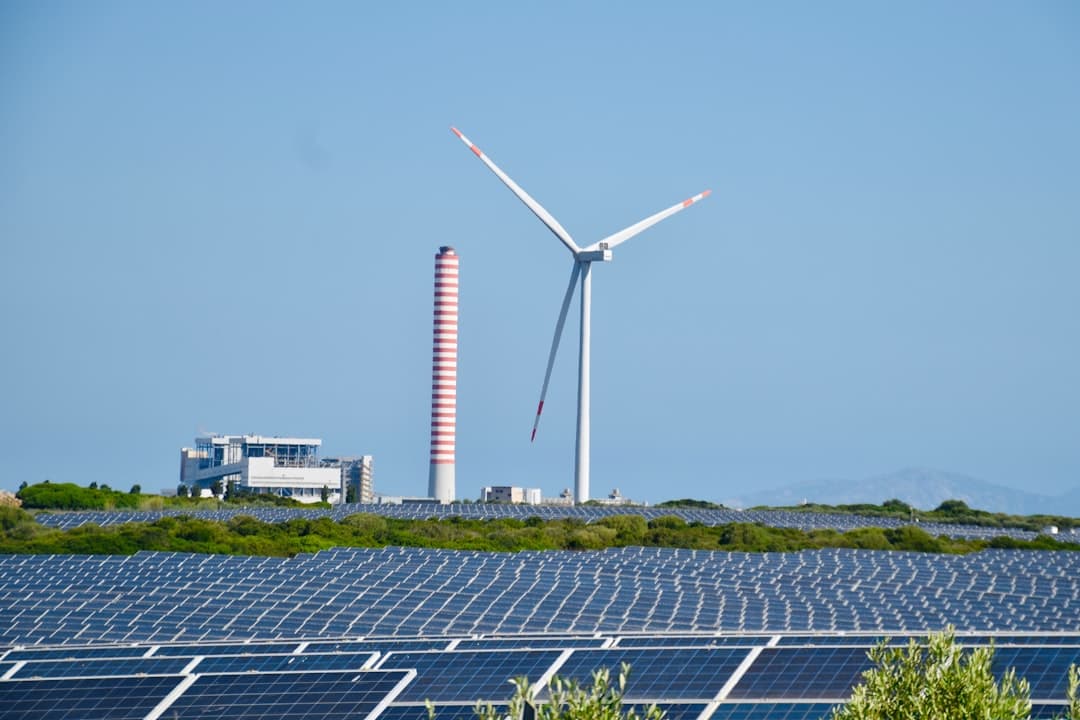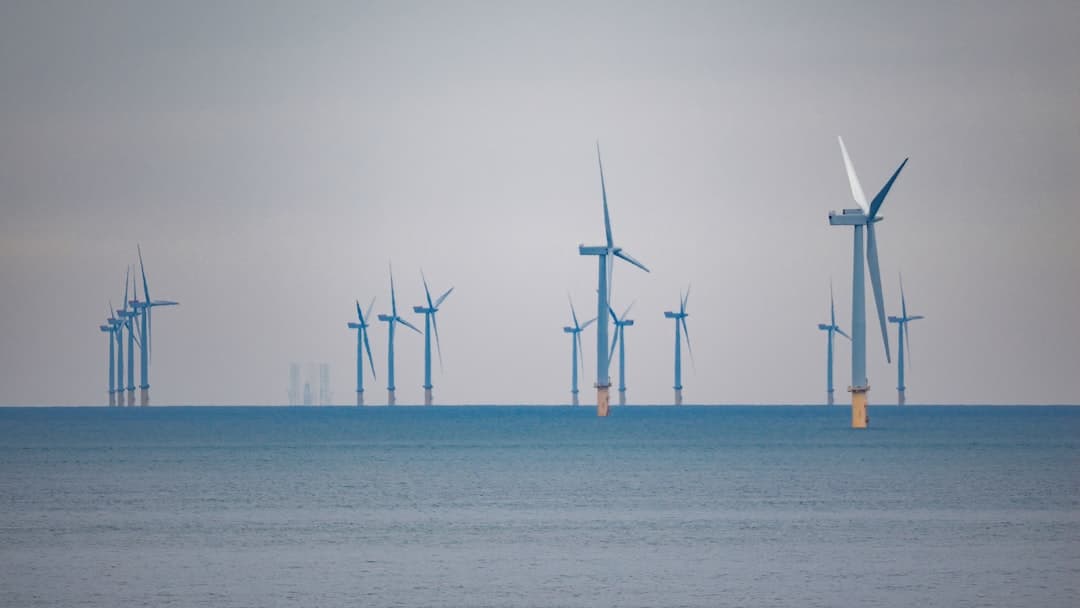
Wind and solar generated more electricity than gas plants worldwide in April. It's the first time that's happened in a single month, according to market data.
The two renewable sources produced 22% of global electricity versus 20% from gas, generating 531 terawatt-hours compared to gas plants' 477 TWh , energy think tank Ember reported this week. The timing matters. April marked the first full month of the Iran energy crisis , and while some analysts credit the milestone to years of capacity buildout rather than the war itself, the gap between renewables and fossil fuels is widening faster than most forecasters predicted. Five years ago gas generation stood at 476 TWh—nearly identical to today—but wind and solar combined produced just 245 TWh, less than half their current output .
The shift arrives as ADNOC CEO Sultan Al Jaber warned Wednesday that even if the Iran conflict ended immediately, it would take at least four months to restore oil flows to 80% of normal levels through the Strait of Hormuz . Full normalization won't happen before the first or second quarter of 2027, he said. That's a long runway for countries desperate to reduce their exposure to volatile gas imports.
Can Renewables Fill the Gap Hormuz Left Behind?
Not entirely, and not yet. The Hormuz crisis has affected a fifth of global LNG production capacity , OilPrice.com reported, and countries like Japan, India, South Korea and much of Southeast Asia source the bulk of their oil from the Gulf . The immediate response across Asia has been a switch to coal—the cheapest baseload option available—even as wind and solar capacity surges.
"The current energy crisis has further strengthened the economic case for renewables compared to imported gas, while also adding greater political urgency to accelerate deployment," said Kostantsa Rangelova, a global electricity analyst at Ember . But the parallel rise of both renewables and coal complicates the narrative. It suggests affordability still trumps emissions for most governments, and that wind and solar work best as supplements during peak output seasons—not as full replacements for dispatchable power.
Still, the trajectory is clear. Ember's recent review found that wind and solar met all global electricity demand growth in 2025 . Solar alone increased by a record 636 TWh last year to reach 2,778 TWh—enough to displace gas-fired electricity equivalent to all LNG exports through Hormuz , the think tank noted.
Why Is Egypt Suddenly the Mediterranean's Energy Broker?
While the Gulf scrambles to reroute oil, the Eastern Mediterranean is positioning itself as Europe's new gas supplier. Egypt signed a memorandum of understanding with ExxonMobil and QatarEnergy on Wednesday to explore exporting Cypriot gas through Egyptian LNG facilities , according to Egypt's petroleum ministry. Prime Minister Moustafa Madbouly attended the signing.
The deal is the latest in a string of agreements linking Cyprus's offshore discoveries to Egypt's liquefaction infrastructure. Egypt has already signed similar frameworks with Eni, TotalEnergies, Chevron and Shell to explore export routes for the Kronos and Aphrodite gas fields . Cyprus President Nikos Christodoulides said this week the goal is to sell the first Cypriot natural gas to Europe through Egypt in 2028 , the Cyprus Mail reported.
The economics work because Egypt has underutilized LNG export terminals and Cyprus has gas but no way to monetize it quickly. The Kronos field's viability hinges on integration with Egypt's existing infrastructure, particularly the Zohr field and liquefaction facilities operated by Eni , according to Cyprus's energy minister. Together, the Pegasus and Glaucus fields discovered by ExxonMobil and QatarEnergy hold an estimated 7 trillion cubic feet of gas . A final investment decision could come by 2029, with first gas around 2033.
For Egypt, the strategy is about more than transit fees. The ministry said the agreements could support Cypriot field development, lower production costs, and allow Egypt to generate revenue through re-exports and domestic industrial use, including petrochemicals and fertilizers . It's a bid to become the region's energy hub at a moment when Europe is desperate to diversify away from Russian gas and Gulf supplies remain constrained.