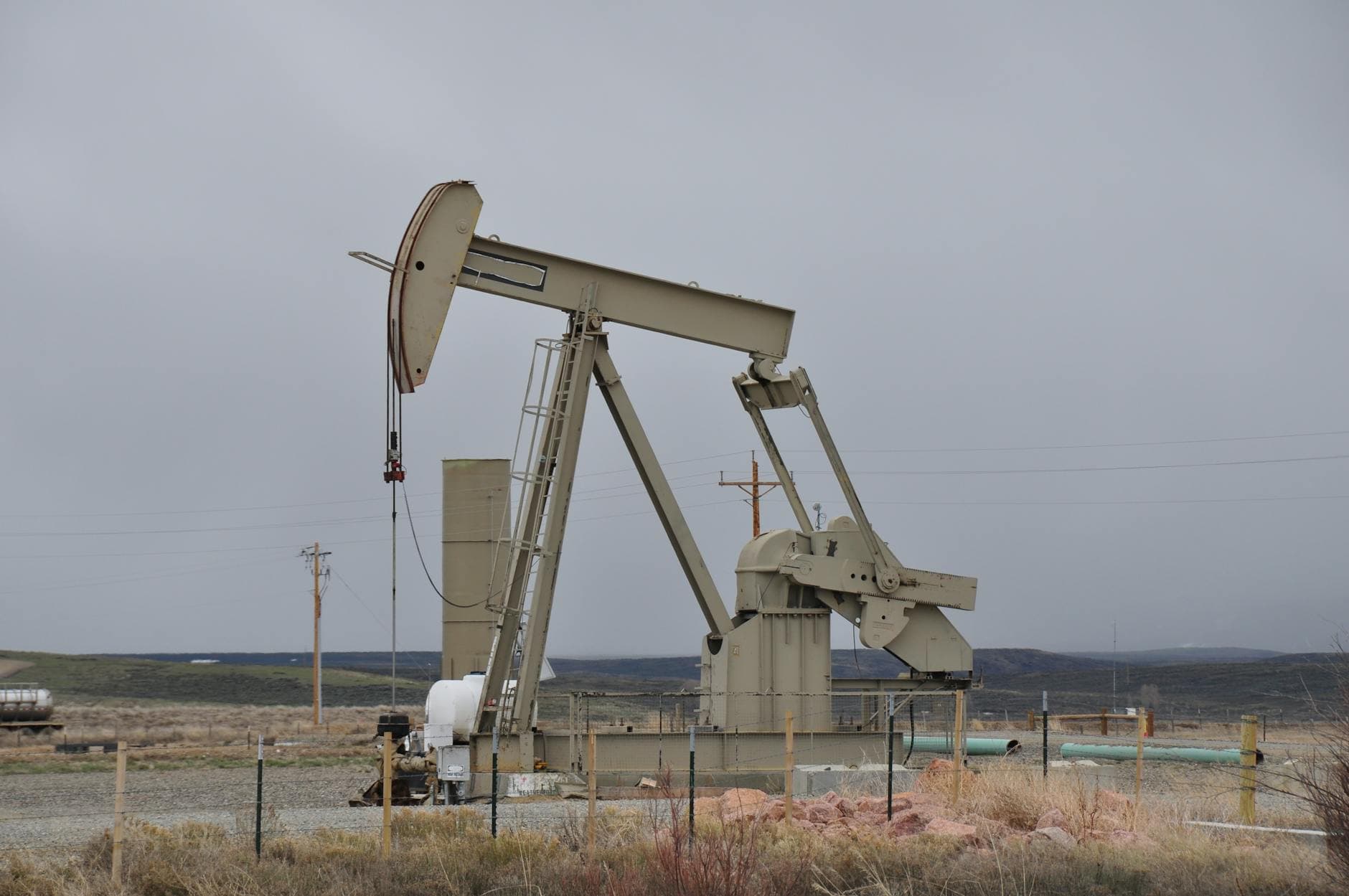
The U.S. Strategic Petroleum Reserve dropped 9.9 million barrels in the week ended May 15. That is the largest single-week decline in the reserve's history, according to Standard Chartered analysts. Total stockpiles now sit at 374 million barrels—approaching what the bank calls "operational stress limits" and less than half the 621 million barrels held in September 2021.
The drawdown is part of a coordinated global response to the Iran crisis. In March, the 32 member countries of the International Energy Agency pledged to release 400 million barrels from their strategic reserves—more than double the 182.7 million barrels released during the 2022 Ukraine war response, OilPrice.com reported. The United States committed to 172 million barrels of that total. But the pace of withdrawals has accelerated sharply. The physical infrastructure of the SPR limits withdrawal capacity to a maximum rate of 4.4 million barrels per day, with a statutory operational minimum of 150 million barrels, Standard Chartered noted. At current depletion rates, the reserve could approach that floor within months if the Hormuz blockade persists.
President Trump campaigned on refilling the reserve after heavy Biden-era sales. Five months into his second term, the tank is moving the other way. Energy Secretary Chris Wright promised in mid-May that the administration would replace every barrel withdrawn—plus 20 percent more. "We'll leave it fuller than when we started," he said, according to OilPrice.com. But buying aggressively at current prices near $100 per barrel forces the government to take public losses on barrels sold near $75 during the Biden era. And the 36 million barrels the administration has pledged to add back do not simply appear because a target gets announced.
Can Alternative Suppliers Fill the Gap?
Norway is trying. The country's offshore oil production hit 2.158 million barrels per day in April—6.7 percent above official forecasts and 129,000 barrels per day higher than April 2025, the Norwegian Offshore Directorate reported. Crude oil output alone reached 1.94 million barrels per day, exceeding the forecast of 1.81 million barrels per day. Europe's largest supplier of natural gas is pumping harder as the continent grows increasingly dependent on stable North Sea energy in a fragile global market.
But Norway's extra 129,000 barrels per day barely registers against the scale of the disruption. The Strait of Hormuz normally handles about 20 million barrels per day. Even with some tankers now exiting—Reuters reported that six tankers carrying 6 million barrels of crude successfully left the strait on May 20, some by switching off their transponders to avoid detection—the flow remains a fraction of normal levels. Bloomberg data showed four supertankers hauling 2 million barrels each exited since May 10, a rate close to 2 million barrels per day. Prior to the war, about 20 tankers of various sizes crossed the waterway daily.
The cumulative losses in crude oil supply have topped 1 billion barrels since early March, according to OilPrice.com—enough to run Japan for six months. Standard Chartered warned that the rapid SPR drawdowns and other emergency measures are only temporary fixes, with physical oil market tightness likely to return once reserve releases end.
Who Benefits From $100 Oil?
Russia does. The country's state oil and gas revenues are expected to increase 39 percent year-on-year to 700 billion rubles ($9.8 billion) in May, driven by higher global oil prices caused by the Iran war, Reuters reported. Russian producers paid 707.1 billion rubles in federal oil taxes in April—the highest since October, according to Bloomberg calculations based on Finance Ministry data. The price of Russian Urals crude currently stands around $115 per barrel, up from $57 on February 27, the day before the U.S. and Israel launched their bombardment of Iran, CNBC reported in March.
Moscow is one of the main beneficiaries of a crisis affecting its Middle East partner. The windfall helps President Vladimir Putin postpone planned cuts to state spending that would have proved unpopular, analysts told CNBC. Russia's oil export revenues surged by roughly $9.3 billion month-on-month to $19 billion in March, according to the Kyiv School of Economics. India's average daily imports of Russian oil jumped 82 percent in the first three weeks of March compared to February's average, following a U.S. waiver allowing countries to buy Russian crude stranded at sea.
The irony is sharp. Western sanctions aimed at starving Moscow of energy revenues are being temporarily relaxed to cope with the very crisis that is enriching Russia. The U.S. extended a 30-day waiver on Russian oil purchases multiple times. Now the UK has followed suit.