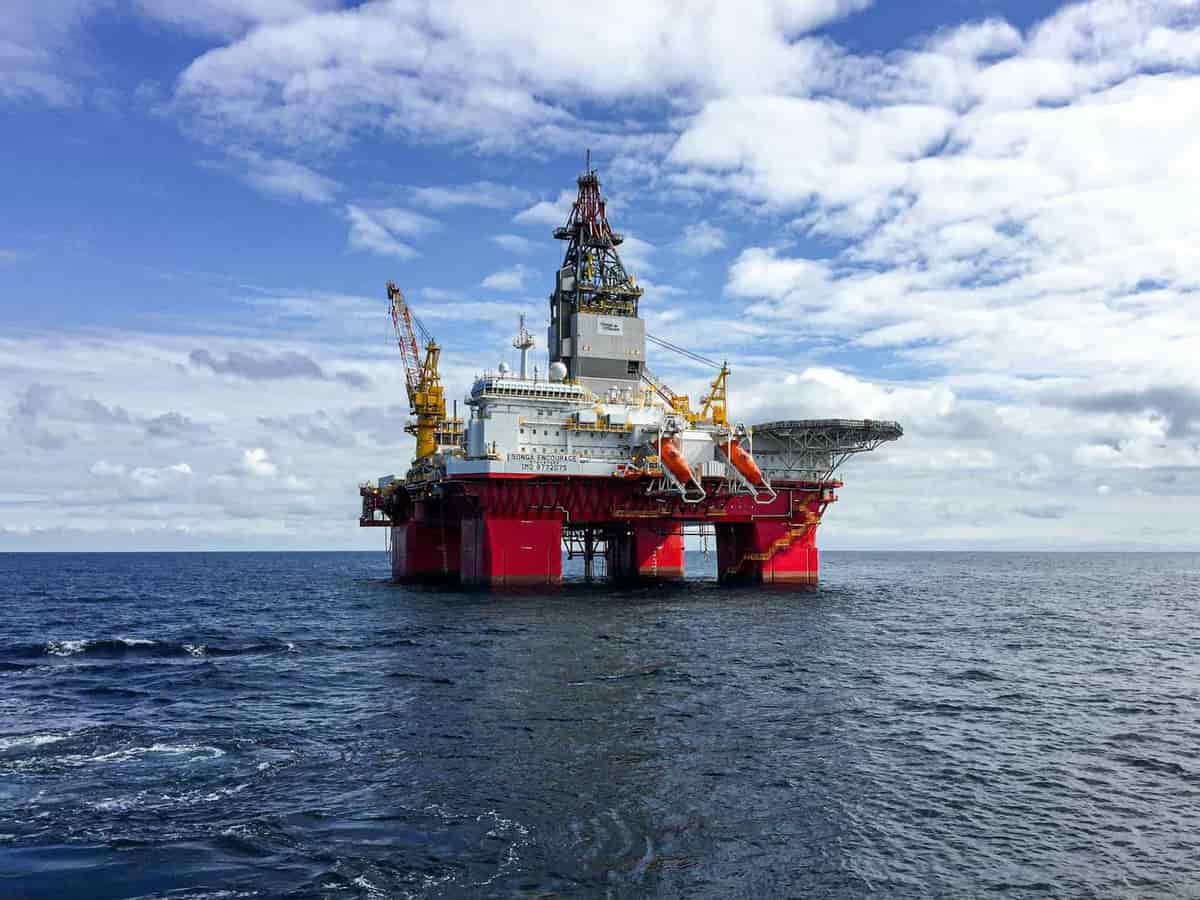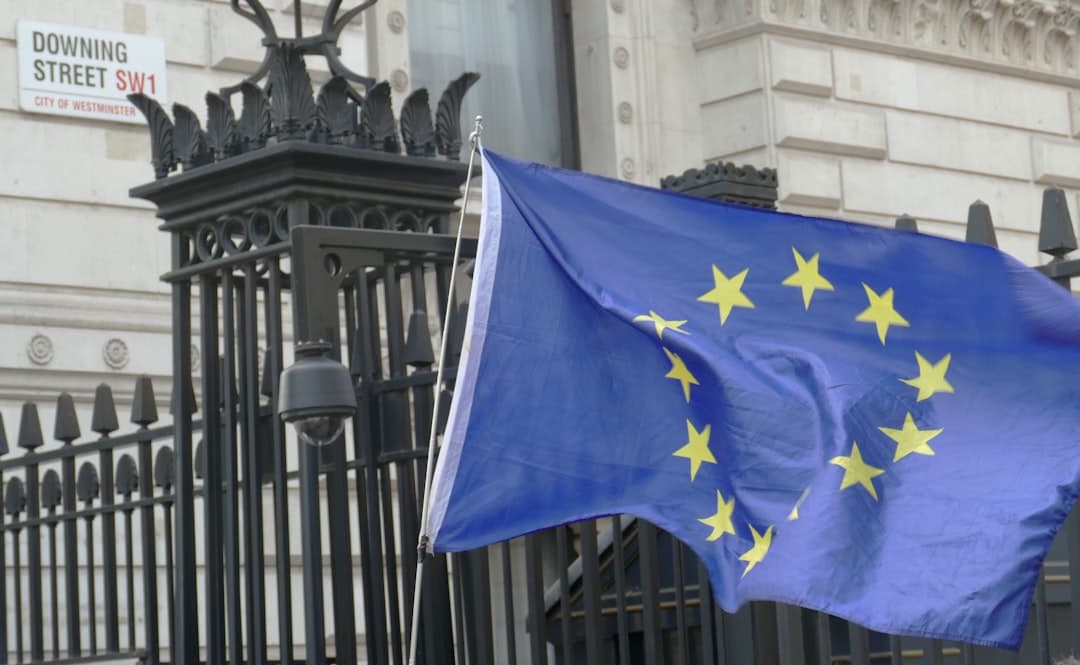
The UK petrol price hit 158.5 pence per liter on Tuesday—the highest since December 2022, according to the RAC. Britain's government responded by issuing an indefinite trade license allowing imports of Russian crude refined into jet fuel and diesel in third countries like India and Turkey , effectively reversing sanctions it announced last October . The decision came quietly on a Wednesday, buried in regulatory language. The backlash came louder.
Conservative leader Kemi Badenoch called it "insane" to water down sanctions , while trade minister Chris Bryant later apologized for the government's "clumsy" handling . But the policy stands. The measure comes as swaths of global oil production remain disrupted by the Iran war, with diesel and jet fuel particularly hard hit . Europe's diesel benchmark is trading at $160 per barrel, per Rigzone. The UK isn't alone— the US extended a similar waiver for Russian oil cargoes already at sea for the second time this month . Principle, meet pump price.
Can Europe Keep the Lights On Without Russian Molecules?
Not easily. Goldman Sachs estimates global visible oil stockpiles are falling at a record 8.7 million barrels per day in May, nearly double the average rate since the conflict began, with flows through the Strait of Hormuz at just 5% of normal levels . That pace is almost double the average since the conflict began , analysts including Yulia Zhestkova Grigsby and Daan Struyven wrote. Total global oil inventories currently stand at the equivalent of 101 days of demand and could decline to 98 days by the end of May , Reuters reported.
The refined product squeeze is worse. Global commercial refined products stocks have fallen from about 50 days of demand before the US-Israeli war on Iran to about 45 days now , according to Goldman. Jet fuel is the tightest. A Goldman Sachs research report estimates that Europe's commercial jet fuel inventories are slated to dip below the International Energy Agency's critical 23-day shortage threshold sometime in June , Fortune reported. Rystad Energy's chief economist warned the situation "within the next three, four weeks can become systemic, so you can have severe cuts of flights in Europe already starting in May and June" .
Airlines are already trimming. Scandinavian airline SAS cancelled 1,000 flights in April, while Ryanair's CEO said the carrier would look to cancel some flights and reduce capacity over the summer if the fuel shortage continued . Spirit Airlines shut down its operations over the weekend after talks for a government bailout fell through , CNBC reported. Budget carriers go first. Legacy carriers just raise prices.
What About Italy's Green Transition?
It's stalling. Italy has taken significant steps in its green transition over the past decade, but the current government under prime minister Giorgia Meloni is also determined to make the country a "gas hub" in the Mediterranean Sea, and researchers and NGOs have criticized the country's draft plan to reach EU 2030 climate targets for being vague about key topics such as phasing out oil, coal and gas , Clean Energy Wire reported.
A report by Reclaim Finance indicates a 22 percent decrease in annual renewable energy investments compared to earlier targets, now planning 1.4 billion euros annually from 2025 to 2028 . Meanwhile, Italy's cabinet approved a €3 billion Energy Decree designed to reimburse gas-fired power plants for the cost of carbon permits under the EU's Emissions Trading System, in effect removing carbon charges from the price paid by all consumers . Italy has the second-highest electricity prices in Europe for companies and fourth-highest for households , Energy Connects noted.
The Meloni government is caught between industrial competitiveness and climate commitments. At an informal EU summit in April, Meloni rejected proposals by European Commission President Ursula von der Leyen to overcome the energy crisis triggered by the war in Iran, calling them "a step forward but not enough" . She wants European loans for energy infrastructure—a "SAFE program" model for energy, not just defense. Italy's decision to change gas supply from Russia to Qatar "at this point, with the war in Iran, is a big issue," according to Davide Chiaroni of Politecnico di Milano .
Meanwhile, in Central Asia
The Astana International Financial Centre Court has authorized the compulsory enforcement of approximately $1.4 billion against Russian company Gazprom in favor of Naftogaz of Ukraine, recognizing the arbitral award and allowing for its enforcement within Kazakhstan , Naftogaz announced Tuesday. "This is the first public foreign court decision allowing the compulsory enforcement of this arbitration award in a separate jurisdiction," said Naftogaz CEO Serhii Koretsky .
The dispute stems from Gazprom's refusal to pay for contracted gas transit volumes after Russia's occupation made the Sokhranivka metering station unusable in May 2022. A Zurich-seated tribunal ordered Gazprom to pay $1.37 billion in principal for unpaid transit services in June 2025 . The Russian company appealed to the Swiss Federal Supreme Court, which rejected its request to suspend enforcement in November 2025 and dismissed the appeal on the merits on March 13, 2026 .
Gazprom's main asset in Kazakhstan—a 50% stake in KazRosGas LLP, which processes Karachaganak gas for Orenburg and handles its subsequent sale—may be under threat , according to EADaily. The ruling gives Naftogaz a legal path to seize tangible assets, not just paper judgments.