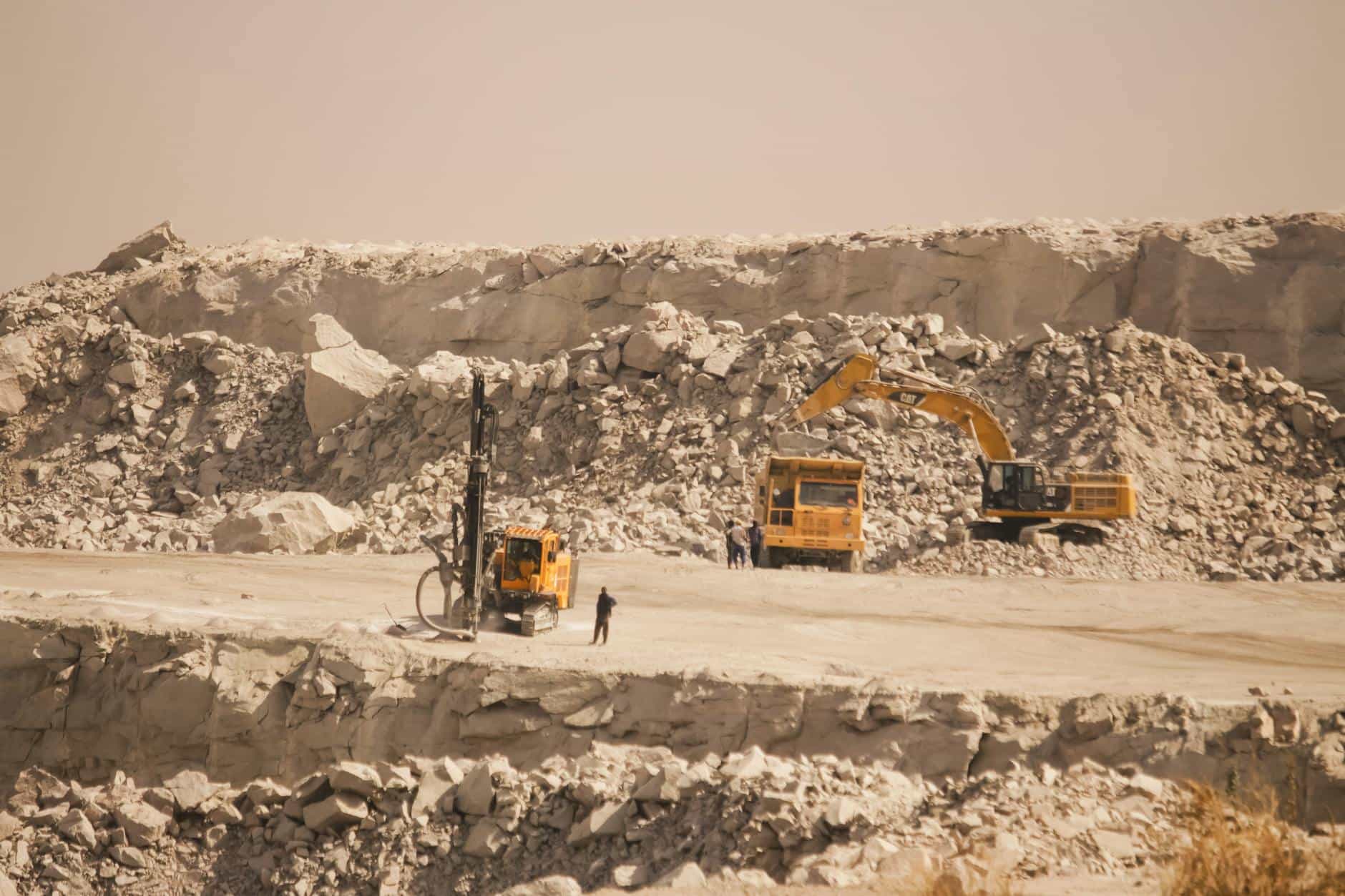
KoBold Metals discovered a massive copper deposit in Zambia that traditional exploration completely overlooked, projecting 300,000 tonnes of annual copper production by 2030 . Experienced geologists had explored the region for decades without recognizing the deposit's potential, but KoBold's AI analyzed a century of geological data, satellite imagery, and field reports, identifying patterns invisible to human analysis . The irony? The AI systems making these discoveries run on data centers consuming natural gas at unprecedented rates—demand projected to reach 3.8 billion cubic feet per day by 2028, up from just 1.2 Bcf/d in 2024, according to Rystad Energy's April 2026 analysis .
Artificial intelligence is rewriting the economics of resource extraction on both ends of the value chain. In 2026, AI will move from being an add-on to becoming a central part of decision-making, risk management, and sustainable performance in mining , according to Global Mining Review. Meanwhile, nearly 75% of the power equipment planned for on-site use at data centers is natural gas, with equipment being installed this year and next "almost entirely gas-powered," according to a new report from Cleanview . The machines are optimizing the hunt for the fuel they consume.
Can Algorithms Really Find What Geologists Miss?
The answer, increasingly, is yes—and at scale. KoBold Metals raised nearly $1 billion across multiple funding rounds by 2025, backed by Breakthrough Energy Ventures, Andreessen Horowitz, and BHP Ventures, reaching a valuation of $2.96 billion, with its flagship Mingomba copper deposit in Zambia believed to be among the world's largest and richest undeveloped copper resources . In April 2026, the company launched what it calls the largest lithium exploration campaign in history across the Democratic Republic of Congo, deploying artificial intelligence and advanced sensors to target one of the world's richest and least-explored critical minerals regions .
The technology isn't limited to startups. Fortescue uses AI to automate mining operations, optimize scheduling, and manage autonomous mining fleets, while KoBold Metals applies AI to analyze geological data and accelerate discovery of critical minerals for clean energy , according to industry analysis. Predictive analytics in mining leverages machine learning, real-time sensor data, and statistical models to forecast equipment failures, optimize resource extraction, and enhance safety, with mining operations reducing unplanned downtime by up to 30-50% and cutting maintenance costs by 18-40% .
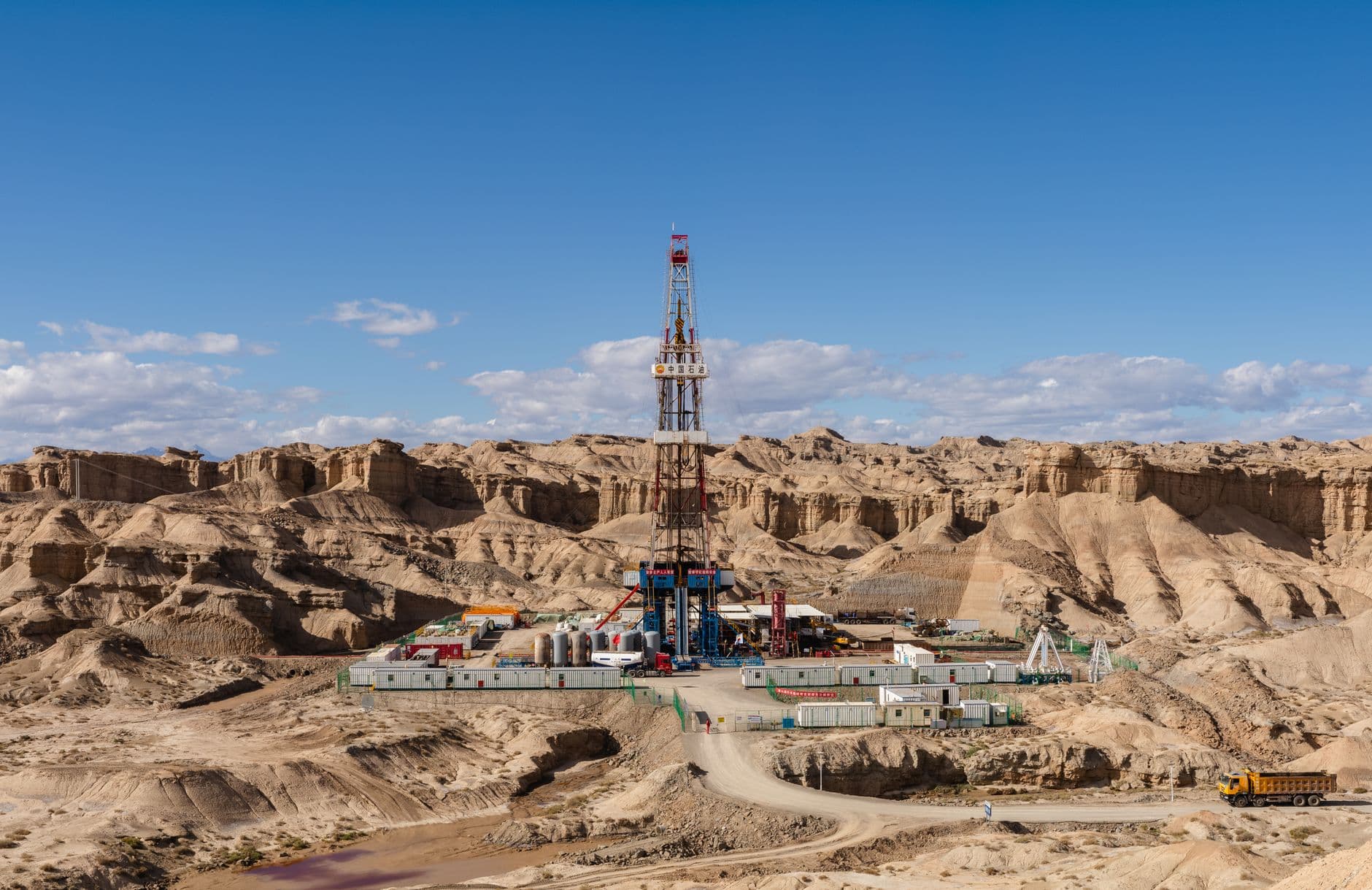
In oil and gas, the shift is equally dramatic. Autonomous directional drilling helps the industry reduce its cost-per-foot drilled and achieve optimal well placement to improve the productivity index, using a fully integrated data architecture to harmonize all the tasks needed to achieve an operator's objectives in the most efficient and consistent manner possible , SLB reported. Much of what is currently described as autonomy is, in reality, an advanced form of automation—true drilling autonomy cannot be achieved by simply automating isolated tasks in series .
Modern mining automation solutions integrate AI and digital twins to optimize ore recovery, reduce downtime, and cut energy use by up to 25%, supporting both efficiency and sustainability goals . In 2026, an automated mine is defined as a mining facility that leverages integrated technologies—such as digital twin modeling, autonomous vehicles, AI-guided drill rigs, remote operations centers, and distributed sensor networks—to execute extraction, processing, and transport with minimal human presence on site .
Why Is AI Betting on Gas Instead of Its Own Clean Energy Rhetoric?
The collision between AI's promise and its power appetite has created a market distortion few predicted. The cost to build a combined cycle gas turbine power plant has risen from less than $1,500 per kilowatt of generating capacity in 2023 to $2,157 last year—a 66% spike—according to BloombergNEF, while natural gas prices remain low in the U.S. despite the ongoing war in Iran . The scramble for natural gas power plants has caused a shortage of gas turbines, with prices for the equipment expected to be up 195% over 2019 prices by the end of this year , TechCrunch reported.
Cleanview identified 46 data centers planning to build their own on-site power, with a combined capacity of 56 gigawatts—roughly 30% of all planned data center capacity in the United States and roughly five times the peak electricity demand of New York City . The speed imperative is overwhelming other considerations. The public electric grid is overwhelmed and cannot provide power to new, large-scale AI data centers quickly enough, with grid interconnection queues lengthening to several years, while a dedicated 'behind-the-meter' gas power plant can be built in as little as 18 months .
The natural gas industry is capitalizing aggressively. Natural gas planned capacity increased from 11.1 percent in 2024 to 18.1 percent in 2026, with planned non-renewable additions surging by 71 percent from 2025–2026, while renewable growth flattened to just 2 percent over the same period , according to the American Action Forum. In January, Pacifico Energy's GW Ranch in West Texas became the largest approved gas power project in the country when the Texas Commission on Environmental Quality granted an air permit of up to 7.7 gigawatts of generation by natural gas turbines to power a private grid supporting data centers, while NextEra secured approval for two large natural gas plants in Texas and Pennsylvania with a combined 10 GW of power .
Comstock Resources is positioning itself directly at this intersection. The Haynesville Shale pure-play could supply up to 1 Bcf/d of natural gas by 2031 to a 5.2 GW data center project in Anderson County, TX, as the company expands its position in the formation , Natural Gas Intel reported on May 19.