Oil & Gas · Analysis
Oil & Gas Surge While Uranium and Solar Retreat in Bifurcated Energy Session
Traditional energy stocks posted strong gains Thursday with exploration-focused names leading the charge, while uranium and solar assets faced selling pressure in a session that highlighted the sector's competing narratives.
Stake & PaperApril 30, 2026 The energy sector delivered a tale of two markets Thursday, with traditional oil and gas equities rallying sharply while uranium and renewable energy assets stumbled, underscoring the ongoing rotation dynamics that continue to shape energy portfolios in 2026.
Oil & Gas Dominance
Exploration and production companies led the broader energy advance, with the SPDR S&P Oil & Gas Exploration ETF (XOP) climbing 1.96% to close at $177.72, outpacing the broader Energy Select Sector SPDR (XLE), which gained 1.29% to finish at $59.03. The performance gap between these two benchmarks suggests investors favored pure-play upstream exposure over the diversified majors.
Among individual names, Occidental Petroleum emerged as the session's standout performer, surging 2.39% to $60.76 on robust volume of 13.8 million shares. The independent's outperformance continues its recent momentum and reflects renewed confidence in leveraged oil production plays.
The supermajors delivered a more mixed showing. ExxonMobil advanced 1.75% to $154.67, while ConocoPhillips gained 1.79% to $128.25, both materially outperforming their European counterparts. Chevron added 1.10% to reach $192.22. In stark contrast, BP and Shell barely budged, with BP edging up just 0.02% to $46.80 and Shell gaining only 0.10% to $88.91. This transatlantic divergence suggests U.S. production economics are commanding a premium over integrated international operators, potentially reflecting differential exposure to downstream refining margins or regional production growth prospects.
Uranium Retreat Pressures Nuclear Narrative
The uranium sector faced significant headwinds, with the Global X Uranium ETF (URA) dropping 3.13% to $52.89—the session's worst performance among major energy ETFs. Cameco, a bellwether for nuclear fuel markets, declined 1.93% to $114.29, though its relative outperformance versus the broader uranium complex suggests some resilience among the sector's higher-quality operators.
This retreat marks a notable reversal for a sector that has attracted substantial capital flows amid nuclear power's renaissance narrative. The uranium selloff occurred despite the broader energy sector's strength, suggesting either profit-taking after extended gains or emerging concerns about near-term supply-demand dynamics in the nuclear fuel cycle.
Renewables Under Pressure
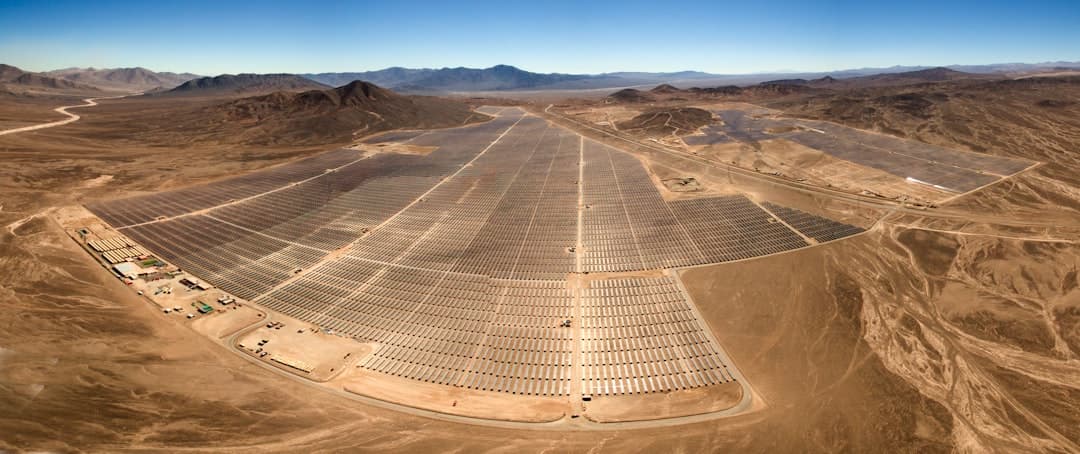
Clean energy assets extended recent weakness, with solar infrastructure particularly hard hit. The Invesco Solar ETF (TAN) fell 2.70% to $56.12, making it the second-worst performer behind uranium. The iShares Global Clean Energy ETF (ICLN) declined 0.44% to $20.33, while the Global X Lithium & Battery Tech ETF (LIT) slipped 0.34% to $85.07.
The divergence between traditional and renewable energy equities reached its widest point in recent sessions, potentially reflecting shifting sentiment around policy support, interest rate expectations, or competitive positioning as conventional energy maintains pricing power.
Metals Complex Weakens Across the Board
Mining and metals stocks closed uniformly lower, with precious metals leading the decline. Gold retreated 0.74% to $4,561.36 per ounce, while silver suffered a steeper 1.96% drop to $71.82. Despite these elevated absolute price levels, the momentum clearly shifted against metals Thursday.
Copper-focused equities followed suit. Freeport-McMoRan declined 1.81% to $56.93 on heavy volume of 11.4 million shares, while Southern Copper fell 1.23% to $168.43. Gold miners also retreated, with Agnico Eagle posting the sector's steepest loss at 1.75% to $183.56, followed by Barrick Mining down 0.73% to $45.17 and Newmont off 0.50% to $107.61.
Rare earth specialist MP Materials dropped 1.27% to $61.30, suggesting weakness extended beyond traditional metals into critical minerals essential for energy transition technologies.
Market Implications
Thursday's price action reinforces the bifurcation within energy markets. Traditional hydrocarbon producers continue attracting capital, particularly among U.S.-focused exploration and production companies, while longer-duration energy transition plays face persistent headwinds. The 520-basis-point spread between XOP's gain and URA's loss represents one of the wider intraday divergences this year.
Volume patterns support the conviction behind these moves, with XLE trading 40.6 million shares and major producers seeing robust participation. The weakness in European majors despite strength in U.S. names warrants continued monitoring for signs of fundamental divergence.
Tomorrow's session will test whether traditional energy can extend gains or whether profit-taking emerges after this week's advance. Watch for any shifts in uranium sentiment and whether renewable energy assets find support at current levels.