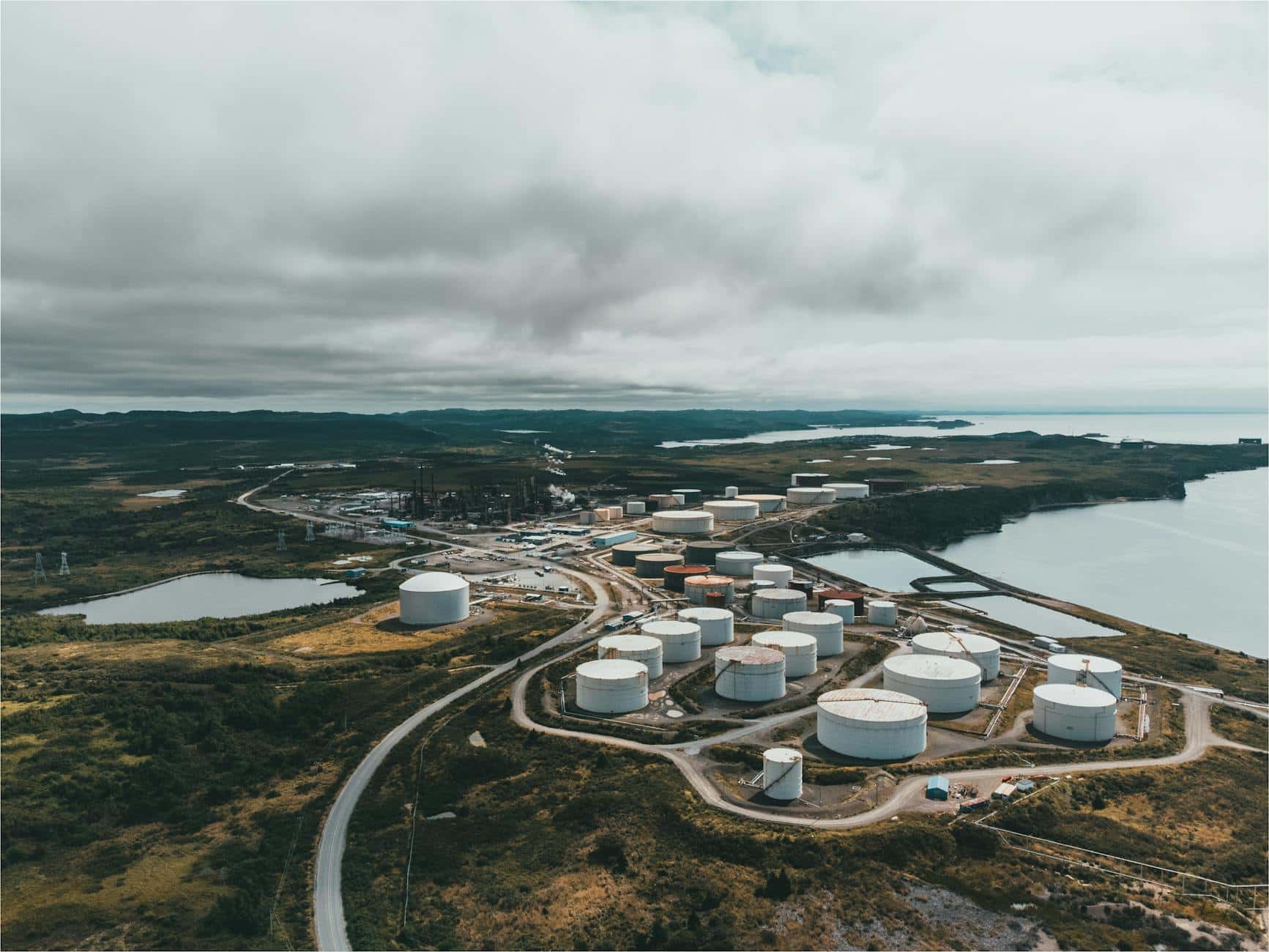
Cumulative supply losses from Gulf producers now exceed 1 billion barrels, with more than 14 million barrels per day shut in — the largest oil supply disruption in history, according to the IEA. Yet Brent crude traded at $97.29/bbl on Friday, down 1.71%. Not exactly the apocalypse.
The paradox has a simple explanation: the world is burning less oil than anyone expected. Global oil demand is forecast to contract by 420,000 barrels per day in 2026, with the biggest decline in the second quarter — down 2.45 million barrels per day , the IEA reported. High prices kill demand faster than shale drillers can ramp up supply. Only seven ships transited the Strait of Hormuz on a recent Friday, followed by four more over the weekend — a fraction of the roughly 100 cargo vessels that normally pass through daily , according to Kpler data cited by CNN. The chokepoint remains effectively closed three months after the conflict began, yet oil markets have absorbed the shock without the $200-per-barrel spike some analysts feared in March.
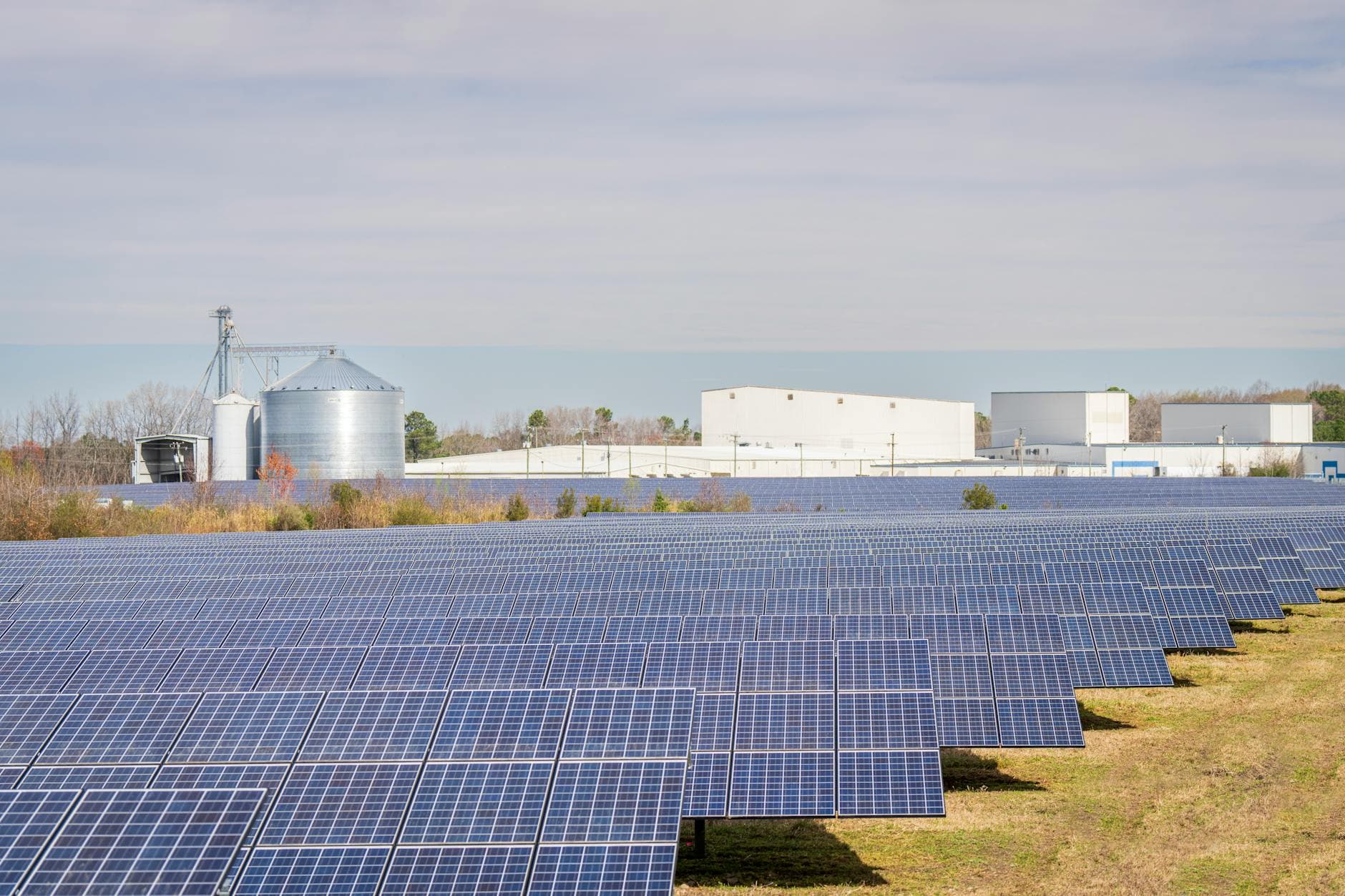
Meanwhile, a different energy story is unfolding across the United States. Developers plan to add 43.4 gigawatts of new utility-scale solar capacity in 2026, a 60% increase over last year , the EIA reported in February. The U.S. solar industry installed 43 gigawatts of new capacity in 2025, with solar and energy storage representing 79% of new capacity installed in the first year of the Trump administration , according to the Solar Energy Industries Association and Wood Mackenzie. That growth continues despite — or perhaps because of — an administration that just invoked Cold War-era powers to prop up coal.
Can Strategic Reserves Bridge a Billion-Barrel Gap?
Observed global inventories, including oil on water, were drawn down by 250 million barrels over March and April, or 4 million barrels per day , the IEA reported in May. Global oil stocks saw exceptionally large drawdowns, falling by roughly 85 million barrels in March and a further 117 million barrels in April, with OECD inventories alone declining by about 146 million barrels in April , according to Morningstar DBRS.
The math is unforgiving. Global oil inventories are expected to fall by an average of 8.5 million barrels per day in the second quarter of 2026 , the EIA projected in May. A total of 400 million barrels released by 32 IEA members is expected to provide a temporary buffer, but the market will still face a significant deficit , OilPrice.com noted. U.S. Strategic Petroleum Reserve stockpiles have dropped to roughly 365 million barrels, the lowest level in over two years , driven by record drawdowns to offset Hormuz losses.
Emergency reserves were designed as shock absorbers, not substitutes for sustained production. At current drawdown rates, even the full IEA release buys perhaps 60 to 80 days of partial relief. After that, the market faces what one analyst called "a structural reckoning" — unless demand destruction does the heavy lifting first.
It appears to be doing exactly that. The Iran conflict has bolstered the case for renewable energy, as solar and wind power reduce vulnerability to external supply shocks, and with fluctuating oil prices, renewable energy has become significantly more cost-competitive , according to reports on the 2026 fuel crisis.
Why Is Trump Spending $700 Million on Coal?
On Thursday, President Trump announced his administration would commit $700 million in funding for coal plants and a new export terminal, invoking the Defense Production Act to distribute $425 million to 13 existing plants across 10 states and $75 million for a coal export terminal in Oakland, California , CBS News reported.
The timing is curious. The announcement is part of the administration's broader efforts to expand the use of fossil fuels to help meet rising energy demand caused by artificial intelligence and electrification, and to lower energy prices hiked up by the war in Iran , according to the Washington Examiner. Yet coal's share of U.S. electricity generation continues its long decline. U.S. coal use accounted for only 8 percent of primary energy consumption nationwide in 2024 , Scientific American noted, citing Congressional Research Service data.
The policy contradiction is stark. The funding will help build two new coal plants in Alaska and West Virginia, which would be the first new coal projects in the U.S. since 2013 , the White House said. Meanwhile, more than half of the new utility-scale solar capacity planned for 2026 is concentrated in four states: Texas (40%), Arizona, California, and Michigan , according to EIA data. The market is voting with capital, and it's not choosing coal.
Environmental groups were blunt. "What's next — a taxpayer bailout to build new phone booths?" said Kit Kennedy of the Natural Resources Defense Council, adding that "propping up coal billionaires with taxpayer money is one more way for the Trump administration to put polluters first" , Bloomberg reported.