Solar and wind developers have six days left. After July 4, the 30% federal tax credits that powered America's renewable boom vanish for new projects—unless they've already spent 5% of total costs, Reuters reported. The deadline, created by Trump's One Big Beautiful Bill Act last summer, compressed what was supposed to be a nine-year runway into twelve frantic months.
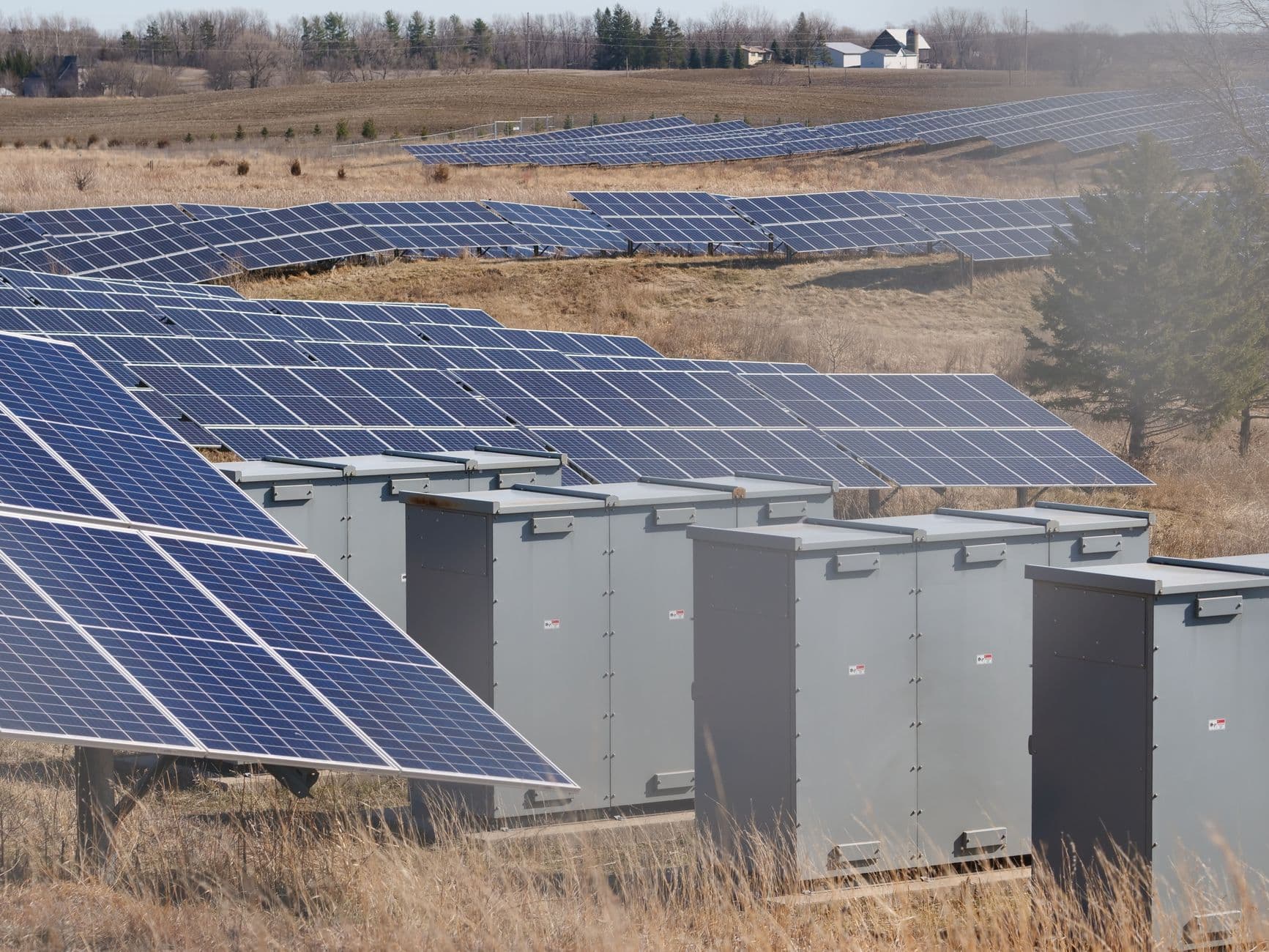
Wood Mackenzie estimates that developers will have safe-harbored between 216 and 240 gigawatts of solar installations before the deadline —enough capacity to meet forecasted installations through the end of the decade, according to the consultancy's April analysis. That's more than the entire solar capacity of Europe. But the rush came at a cost: 59.5 GW of projects are now delayed due to lengthy permitting processes, backlogged interconnection queues and fluctuating equipment prices , the American Clean Power Association reported in its Q1 2026 market update.
Can Projects Actually Get Built in Time?
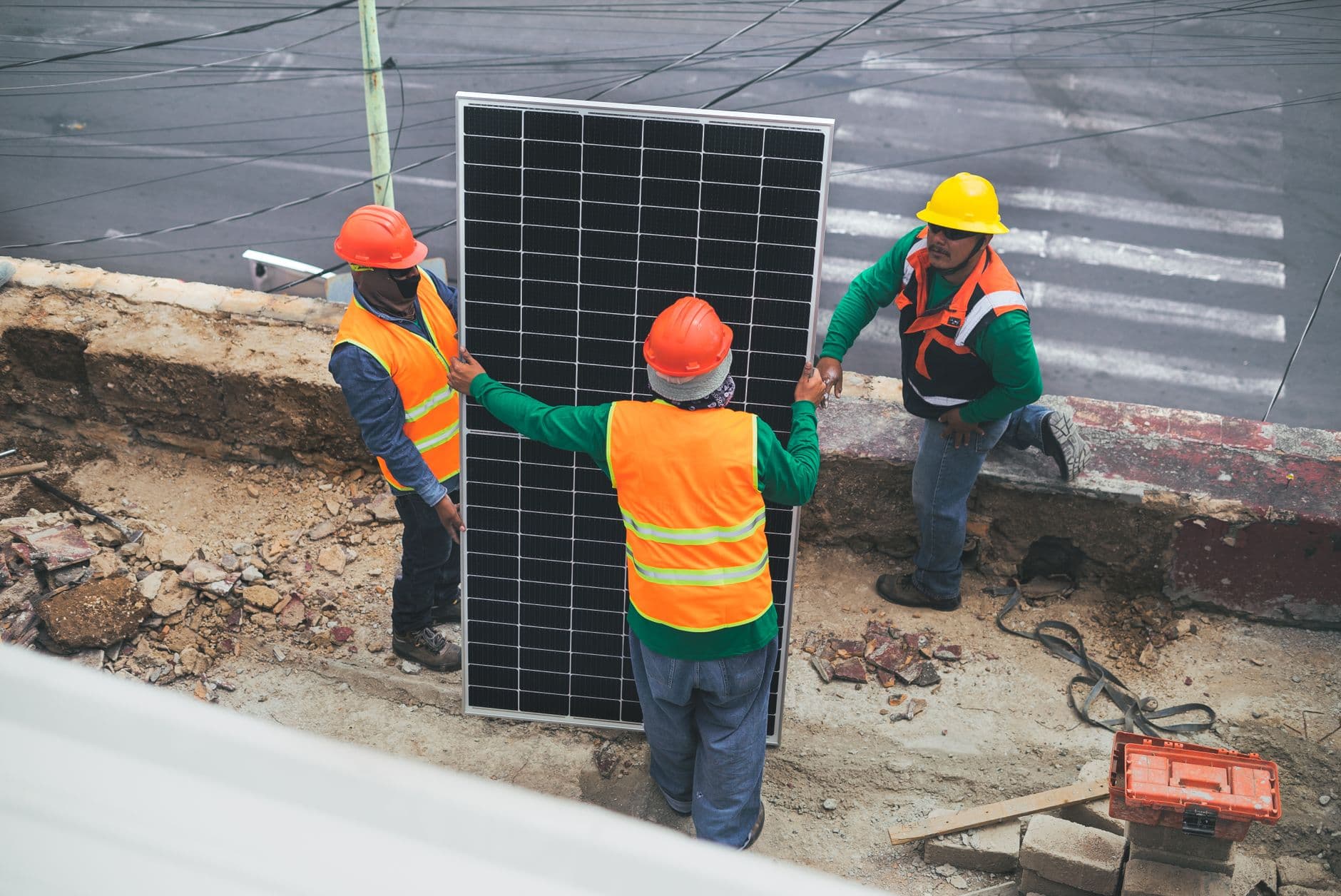
Locking in the credit is only half the battle. Developers now have four years to complete construction—or lose everything. Projects must spend 5 percent of their total costs by July 4 to unlock four years of construction time while remaining eligible , Inside Climate News explained. Miss that window, and projects need to be fully operational by the end of 2027—a timeline most consider impossible.
In January, the Treasury Department instituted new "foreign entity of concern" regulations that strip tax credits from projects using equipment from China, and potentially from developers that have financial relationships with entities linked to China , Canary Media reported. The rules created fresh uncertainty just as developers thought they'd cleared the finish line. A federal judge struck down part of Treasury's guidance earlier this month, but with days remaining before the deadline, the ruling's impact will be limited.
The policy whiplash has been brutal for smaller players. Some schools planned to use the federal credit to pay for as much as 50 percent of their projects, in combination with state funds, but a small group have had to abandon their renewable energy plans , according to Shannon Crooker of Generation 180, a group supporting school solar installations.
Who Benefits When America Pulls Back?
China does. While U.S. developers scramble to meet arbitrary deadlines, Beijing is consolidating its grip on the global solar supply chain. In 2024, China produced 93.2 percent of the world's polysilicon, 96.6 percent of wafers, 92.3 percent of photovoltaic cells, and 86.4 percent of PV modules , according to China Photovoltaic Industry Association data cited by the Center for Strategic and International Studies.
The dominance isn't slowing. China's renewable capacity expansion continued to increase in 2025, reaching a new record with nearly 500 GW of additions, accounting for over 60% of global growth—the country alone commissioned nearly 370 GW of solar PV and 117 GW of wind capacity , the International Energy Agency reported in its Global Energy Review 2026. That's more solar in one year than the United States has installed in its entire history.
The irony is sharp: Trump's "foreign entity of concern" rules were designed to reduce dependence on Chinese equipment. Instead, they've created chaos in U.S. project pipelines while doing nothing to dent China's manufacturing edge. In 2024, China produced 86.4% of the world's finished PV modules, 92.3% of cells, 96.6% of silicon wafers, and 93.2% of polysilicon , according to industry data. A module made in China is half the price of that made in Europe and 65% less than that made in the U.S. , Wood Mackenzie noted.
China's solar manufacturers are suffering too— the 22 largest Chinese PV firms posted combined Q1 2026 losses of CNY 10.5 billion ($1.5 billion), as manufacturing capacity (1,200 GW) is roughly double global demand (600 GW) —but the pain is being absorbed by consolidation, not retreat. The weak players exit; the strong get stronger.