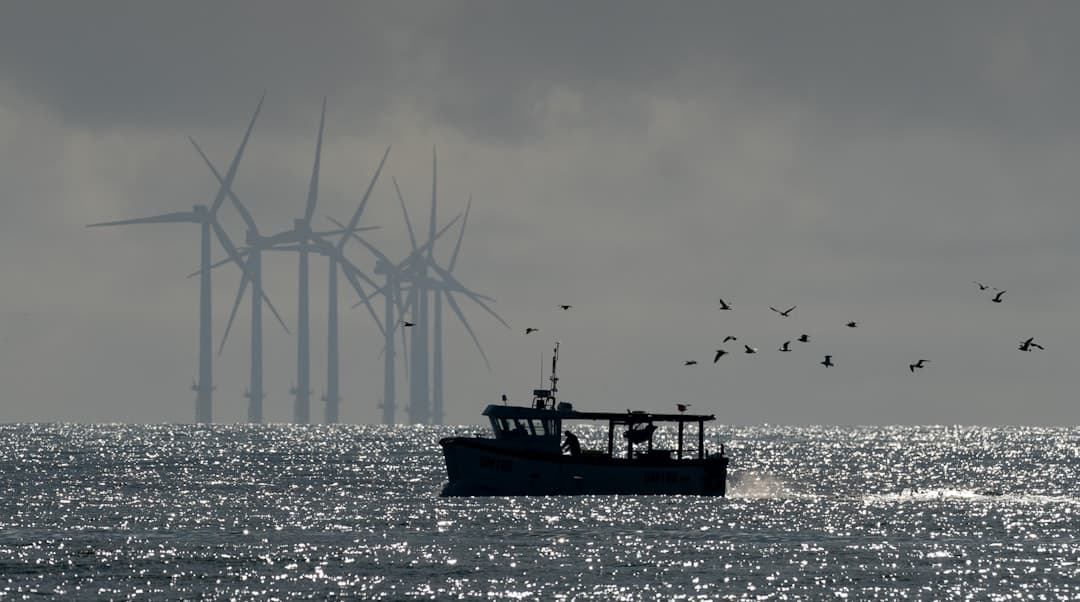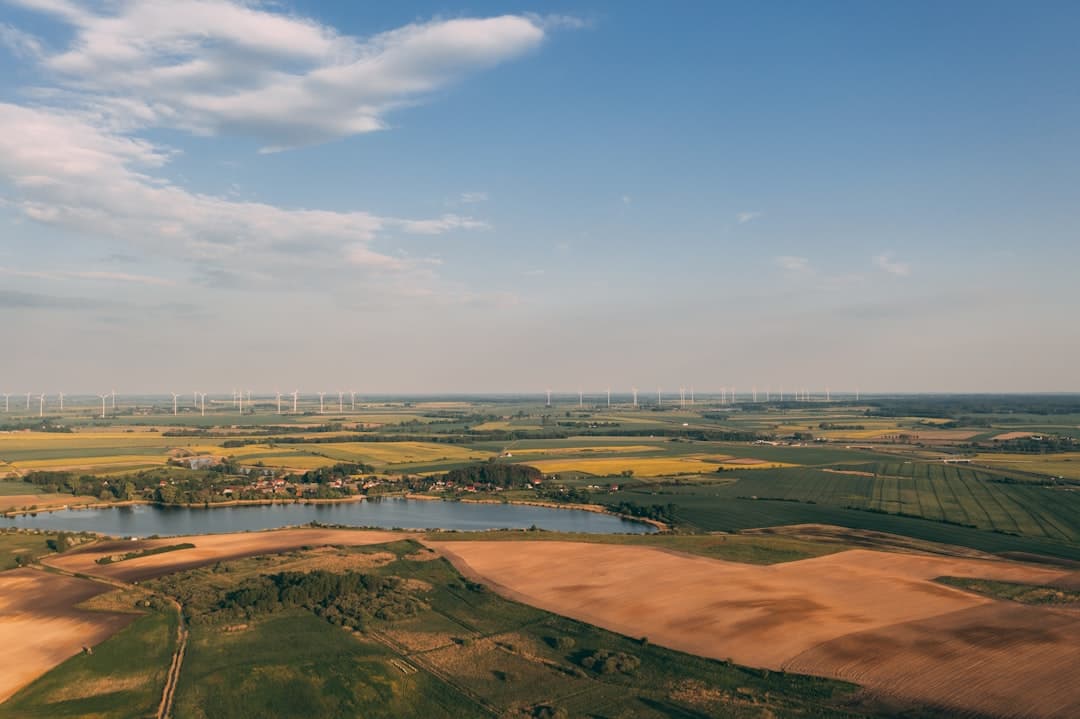
Poland's power grid received electricity from its first Baltic Sea offshore wind farm on Friday, as Baltic Power—a joint venture between Poland's Orlen and Canada's Northland Power—began transmitting power from a portion of its 76 turbines . Fifty-four turbines have already been installed , and the project is scheduled to be completed by autumn this year, with a total capacity of 1.2 gigawatts . That's enough to meet roughly 3% of Poland's current electricity demand— approximately 4 TWh of electricity annually , according to Orlen.
The timing matters. Poland aims for around a fifth of the country's electricity to come from offshore wind by 2040, as the nation moves away from reliance on coal and towards renewables and nuclear . It's a shift with geopolitical weight: Europe is racing to build energy independence, and Poland—long one of the continent's most coal-dependent economies—is now at the leading edge of that transformation.
Can Europe Build Fast Enough to Matter?
Poland isn't alone. A joint offshore investment pact signed at the North Sea Summit 2026 in January marks what industry leaders call a turning point for offshore wind in Europe . Leaders agreed to contribute to building 15 GW of offshore wind annually from 2031 to 2040, with at least 10 GW supported by two-sided Contracts for Difference , according to WindEurope.
The numbers tell a more complicated story. Europe is expected to build 70 GW of offshore wind capacity by 2030 against a previous target of 120 GW due to auction design challenges and investment uncertainty . That's a 42% shortfall. Yet Europe invested €45 billion in additional wind energy projects in 2025 , WindEurope reported, and six offshore wind projects secured €22.5 billion in financing to support 5.4 GW of new capacity, led by major projects in Poland, Germany, and the UK .
The industry has made a bold promise in return: cutting offshore wind costs by 30% by 2040 compared with 2025 levels through lower financing costs and faster industrialisation . Whether that materializes depends on whether permitting, grid connections, and supply chains can keep pace with ambition.
What Happens When the White House Declares War on Wind?
Across the Atlantic, the picture is messier. Between 2019 and 2026, California added 30.8 GW of clean energy and battery storage , OilPrice.com reported. Since the beginning of the Newsom Administration, battery storage has surged to nearly 17,000 megawatts—a 2,100%+ increase—and California now has 33% of the storage capacity estimated to be needed by 2045 to reach 100% clean electricity , according to the governor's office.
But California filed a lawsuit in February challenging the Trump administration's decision to terminate $1.2 billion in funding for congressionally mandated energy and infrastructure programs, including the ARCHES hydrogen hub and the Resilient and Efficient Codes Implementation program . The terminations threaten over 200,000 new family-sustaining jobs and undermine programs slated to save nearly $3 billion in health costs per year , the lawsuit alleges.
The federal-state clash has real consequences. The Trump administration's rollback of clean energy policies has now cost the U.S. nearly 470,000 jobs and $68 billion in private investment, according to a report by nonpartisan business group E2 . A record 79.7 GW of clean power are projected to come online in the U.S. in 2026, even as roughly 8 GW of clean energy projects were canceled in the first quarter of the year , the Environmental Defense Fund and Atlas Public Policy found.
The collective impact of the administration's actions will raise costs on American households by more than half a trillion dollars by 2040, with individual households paying $460 more for their energy costs by 2035, and up to $490 more per household by 2040 , according to clean energy think tank Energy Innovation.