Friday, July 10, 2026Vol. III · No. 191Subscribe
The Mining, Energy & Technology Wire
Renewables · Analysis

Renewables Hit a Bureaucracy Wall

Poland just fed its first offshore wind power into the grid. Germany rolled back its renewable heating mandate. And 2,000 GW of U.S. clean energy projects sit stuck in permitting limbo—enough capacity to power the entire country twice over.

Renewables Hit a Bureaucracy Wall
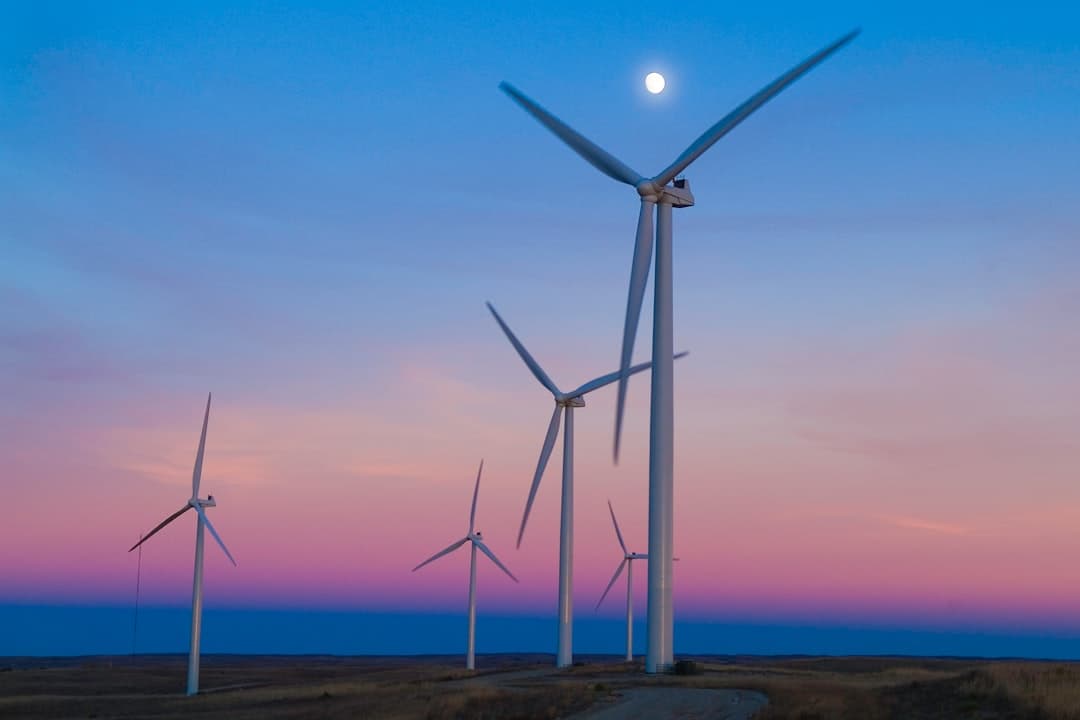
PhotographPoland just fed its first offshore wind power into the grid. Germany rolled back its renewable heating mandate. And 2,000 GW of U.S. clean energy projects sit stuck in permitting limbo—enough capacity to power the entire country twice over.

Poland just fed its first offshore wind power into the grid. Germany rolled back its renewable heating mandate. And 2,000 GW of U.S. clean energy projects sit stuck in permitting limbo—enough capacity to power the entire country twice over.

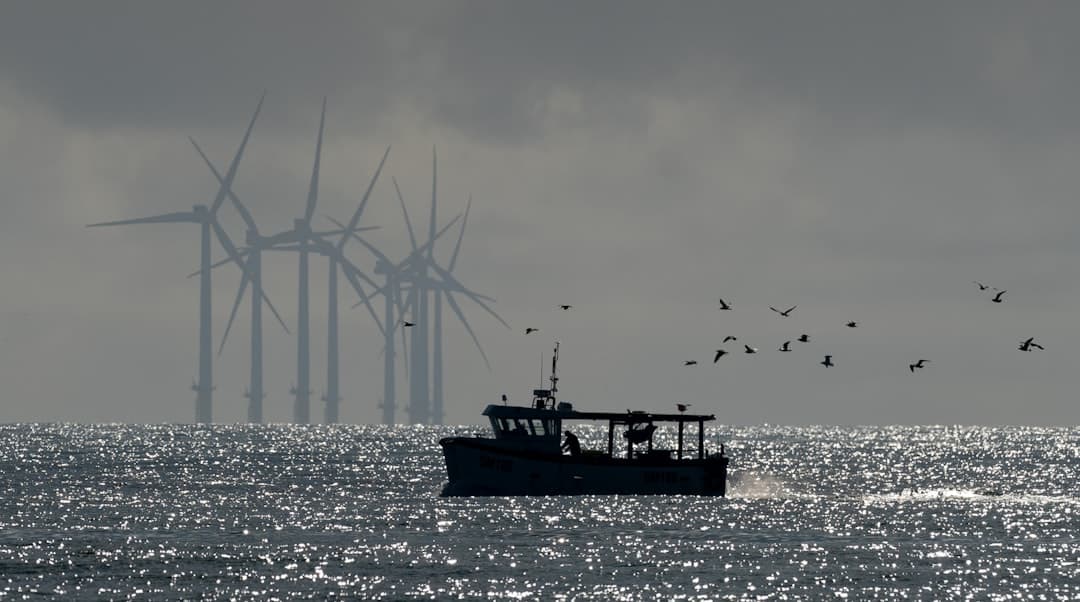
Friday marked a milestone for Poland's energy transition: electricity from the Baltic Power offshore wind farm entered the national grid for the first time, making Poland the latest European nation to tap offshore wind , according to Offshore Wind. Fifty-four of the project's 76 turbines are now installed, with construction scheduled for completion this autumn , the developers said. The 1.2 GW farm will generate approximately 4 TWh annually—enough to meet around 3% of Poland's current power demand , ORLEN reported. That is roughly the output of a mid-sized nuclear plant, delivered by turbines 23 kilometers offshore.

The timing matters. On the same day, Germany's parliament passed a contentious heating law that scraps a requirement for new building heating systems to derive at least 65% of their energy from renewable sources , Reuters reported. The new law will require new gas and oil systems to gradually blend in climate-neutral fuels from 2029, increasing their level from 10% to 60% by 2040, with full climate neutrality targeted by 2045 . Critics of the legislation, including environmental groups and opposition lawmakers, say the changes weaken climate protections and could slow the shift away from fossil fuels in the building sector .

Two countries. Two opposite trajectories. One week.

Can Bureaucracy Kill What Markets Want to Build?

The contrast is sharpest in the United States, where the clean energy buildout is colliding with its own paperwork. JP Morgan says the U.S. has the world's worst permitting bottlenecks, even as data center power demand is set to double by 2027, and Wood Mackenzie finds $121 billion and 92 GW of renewable projects now face extra federal scrutiny under a new Interior Department directive , OilPrice.com reported.

The numbers are staggering. As of the end of 2025, there were approximately 8,200 projects actively seeking grid interconnection in the U.S., representing 1,312 GW of generation and approximately 749 GW of storage , according to Lawrence Berkeley National Laboratory's latest "Queued Up" report. 549 GW of capacity already has a draft or executed interconnection agreement but has not yet reached commercial operations, including 256 GW of solar, 161 GW of storage, 76 GW of wind, and 45 GW of gas, with the median duration from interconnection request to commercial operation exceeding five years for projects built in 2025 .

Five years. For context, Poland's entire Baltic Power project—from first offshore work to grid connection—took 18 months.

A February 2026 Crux survey of 50 clean energy developers found that federal permitting contributed to project delays or cancellations for 94% of developers and increased costs for 100% of developers surveyed, representing roughly 11 GW of affected clean energy capacity in a single year . A majority cited a 6 to 10 percent increase in total project costs, with some respondents reporting increases exceeding 25 percent , according to the survey shared exclusively with Politico.

The irony is acute. According to the International Energy Agency, global data center electricity demand will more than double over the next five years, consuming as much electricity by 2030 as the entire nation of Japan consumes today . Renewables remain the fastest-growing source of electricity for data centers, with total generation increasing at an annual average rate of 22% between 2024 and 2030, meeting nearly 50% of the growth in data center electricity demand, primarily driven by the rising deployment of wind and solar PV , the IEA reported. Yet last year, the Department of the Interior introduced a directive requiring the approval of senior officials at every stage of renewable energy permitting, even though experts have been saying for years that we need less, not more, red tape in the domestic renewables sector , OilPrice.com noted.

Where Does the Money Go When the Door Closes?

Shell has an answer. The oil major is preparing to launch a sale of its offshore wind farms that could fetch over $1 billion, with the company tapping advisers from Rothschild & Co. and PJT Partners Inc. to lead the sale , Bloomberg reported in June. CEO Wael Sawan, who assumed the role more than three years ago, has pursued a strategy of reducing low-carbon investments and divesting assets with lower returns .

The sale follows a pattern. The intended sale of the offshore wind farms follows similar moves including the divestment of Shell's European onshore renewables division and its India-based Sprng Energy business, which it acquired for $1.55 billion in 2022, and the company withdrew from planned offshore wind projects in Scotland last year , according to Power Technology.

Not everyone is retreating. Polaris Renewable Energy has signed a 30-year mixed investment agreement with CFE for the development, financing, construction and operation of three renewable energy projects in Mexico, comprising approximately 250 MWdc of solar capacity and 61.6 MW/192 MWh of battery storage across Quintana Roo, Tlaxcala and Sinaloa , REGlobal reported this week. The projects represent a combined estimated investment of $217 million . The Mixed Program represents the largest renewable energy and energy storage procurement initiative undertaken in Mexico, designed to procure approximately 6,500 MW of new renewable generation and energy storage capacity by 2029 , according to the company.

Mexico is moving. The U.S. is studying. Germany is backtracking. Poland is building.

What Changed This Week

The clean energy transition entered a new phase this week—one defined less by technology or capital than by the speed at which governments can process paperwork. Poland demonstrated that offshore wind can move from concept to grid connection in under two years when bureaucracy aligns with ambition. Germany showed that political pressure can unwind climate mandates faster than they were written. And the U.S. revealed that even with unprecedented demand from AI data centers and $121 billion in renewable projects ready to build, federal permitting can still grind progress to a halt. The bottleneck is no longer in the turbine factory or the solar panel supply chain. It is in the permit office.

What to Watch

Lawrence Berkeley National Laboratory will host a webinar on July 16 highlighting findings from its latest interconnection queue report. Mexico's CFE is expected to announce a second round of renewable project tenders by the end of July, following the success of its first mixed-development call. Watch for updates on whether the U.S. Congress can advance any of the three major permitting reform bills—the CERTAIN Act, FREEDOM Act, or SPEED Act—before the November midterm elections complicate legislative momentum. And keep an eye on Poland: if the remaining 22 turbines at Baltic Power come online on schedule this autumn, the country will have completed its first offshore wind farm in less time than most U.S. projects spend waiting for their first interconnection study.

Original reporting and analysis by the Stake & Paper editorial team. See linked sources within the article.

Share this story

More from Stake & Paper

Was this article helpful?

ClaimWatch

Mining claims intelligence — from query to report, in minutes.

Every unpatented mining claim across all twelve BLM states. Leadfile audits, due diligence, site selection, regional prospecting, entity investigations, and AOI monitoring — delivered as complete report packages.

4.4M+
Claims Tracked
12
BLM States
7
Report Types
Request a Sample Report
Stake & Paper AM

One morning brief. The whole energy sector.

Original analysis, the day's most important wire stories, and market data — delivered before your first cup of coffee. Free.