Two trillion dollars will flow into clean electricity this year. That is nearly double what the world will spend on oil, gas, and coal combined, according to the IEA's World Energy Investment 2026 report . Yet the same week those figures landed, aluminum prices spiked 30%, Germany's wind-dependent grid buckled under a heatwave, and two of Europe's largest energy companies signaled they may abandon billions in offshore wind contracts. The energy transition is moving faster than ever—and hitting harder obstacles than expected.
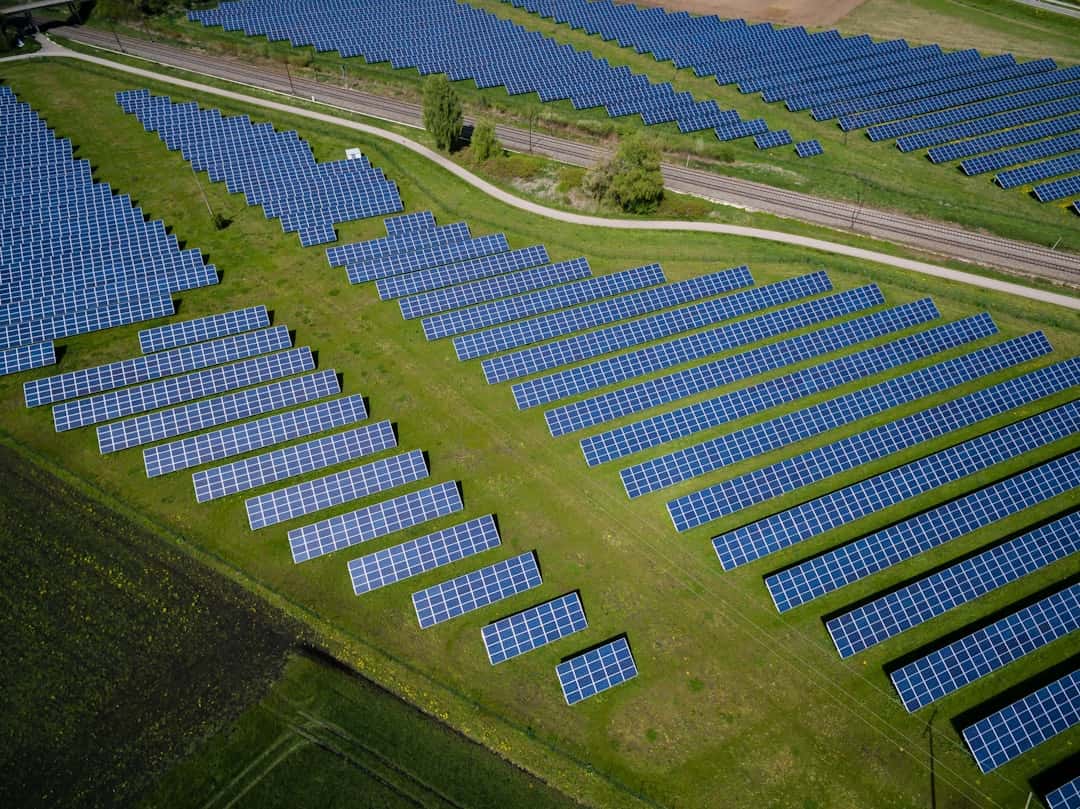
Global energy investment is expected to reach $3.4 trillion in 2026, up 5% from 2025 , the IEA reported this week. Around $2.2 trillion will be directed toward renewables, nuclear, grids, storage, low-emissions fuels, efficiency and electrification —a figure that would have seemed fantastical a decade ago. Solar projects alone will absorb $365 billion, equivalent to nearly $1 billion per day . The money is real. The momentum is undeniable. But the execution is messier than the spreadsheets suggest.
Can Supply Chains Keep Pace With Demand?
The answer depends on which metal you're asking about. Clean-energy manufacturers now have double the production capacity needed to meet global renewable energy demand, BloombergNEF said in its 2026 Energy Transition Supply Chain report released Wednesday . Solar module factories, battery plants, and wind turbine assembly lines are running below capacity. Overcapacity is crushing margins. Yet at the same time, a war in the Middle East has sent aluminum prices soaring, threatening to add $5 billion in costs across 500 gigawatts of planned U.S. solar capacity , according to industry estimates reported by AlCircle.
The disconnect is stark. Damage to Gulf refining facilities and disruptions to shipping via the Strait of Hormuz have pushed benchmark aluminum prices on the London Metal Exchange up 15% since late February , Reuters reported. Jim Wood, CEO of SEG Solar, said solar racking prices have already increased by around 20% , and some projects with thin margins may become unviable. Aluminum accounts for roughly 9% to 10% of total solar project costs through mounting systems, according to Fitch Solutions. When a single input cost jumps that fast, it doesn't matter how cheap your panels are.
The U.S. Energy Information Administration expects developers to add around 43.4 gigawatts of utility-scale solar capacity in 2026, representing growth of around 60% from last year . That surge is driven partly by AI data centers hungry for power. But JK Renewables' Derek Schnee said he expects higher costs to hit commercial end-users directly in Q3 and Q4 2026 —just as the buildout accelerates. The timing couldn't be worse.
What Happens When the Wind Stops Blowing?
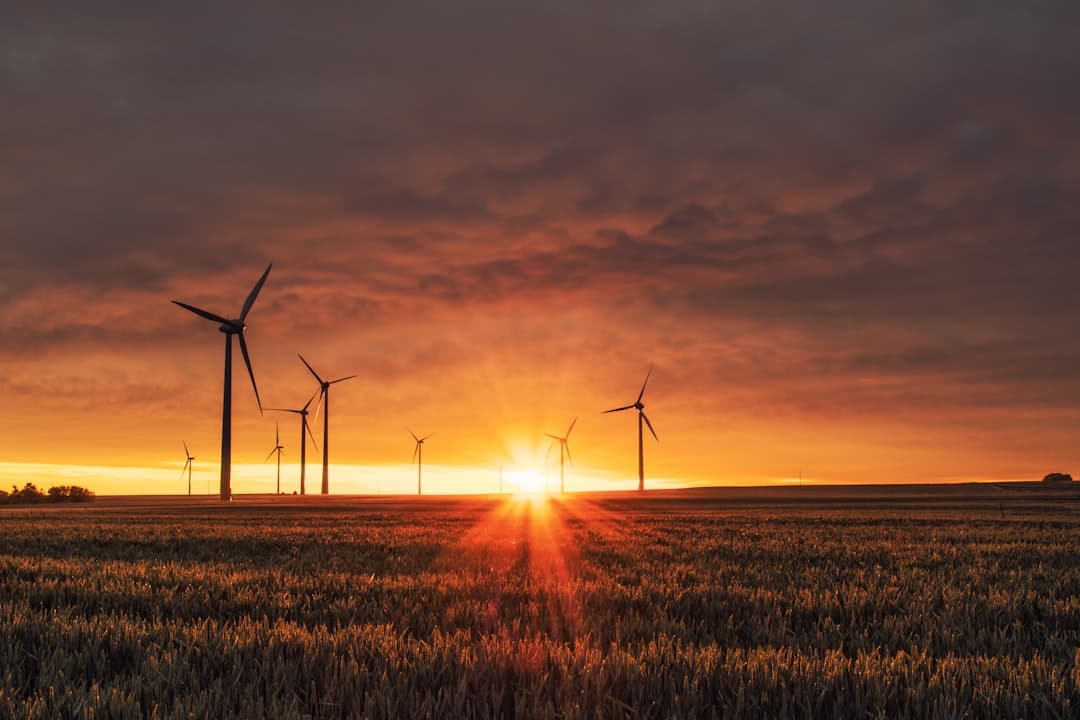
Germany found out last week. Day-ahead power prices surged nearly 30% on Wednesday as a European heatwave drove up cooling demand while unusually low wind speeds slashed output from the country's vast wind fleet, according to data reported by Reuters and analyzed in OilPrice.com . Wind was expected to supply just 4.4 gigawatts of electricity on Thursday, down from an estimated 9.7 GW on Wednesday . Gas and coal plants had to ramp up by 8.2 GW to fill the gap.
The irony is sharp. Wind power generation in Germany jumped by 27% in the first quarter of 2026 from a year earlier, driven by higher capacity installations and wind speeds , the International Economic Forum for Renewable Energies reported in April. That surge helped ease wholesale prices by nearly 9% in the first half of the year. But when a heat dome parked over Western Europe in late May— delivering temperatures 12–16°C above long-term norms and peaking at 39.2°C in Germany —the wind died, and the system had no buffer.
Germany's renewable share hit 55.9% of net public generation in 2025, with wind as the largest single source. The country is targeting 80% renewables by 2030. But the loss of dispatchable baseload—nuclear is gone, coal is being phased out—has left the grid vulnerable to weather swings. When renewables flood the market, prices go negative. When they don't, prices spike. The flexibility that consumers once took for granted is gone.