Correction, 9/22/2026. An earlier version said Nabors announced plans to cut well crews from 20 to 5; Nabors said in 2017 that it expected automated rigs could allow that, per Bloomberg. The Halliburton-Nabors automation milestone in Oman was announced April 15, 2025, not March 2026.
Correction, 9/21/2026. An earlier version said OSHA reports 42 drilling-related fatalities a year. OSHA publishes no such figure; its oil and gas extraction page cites 489 worker deaths from 2013 to 2017.
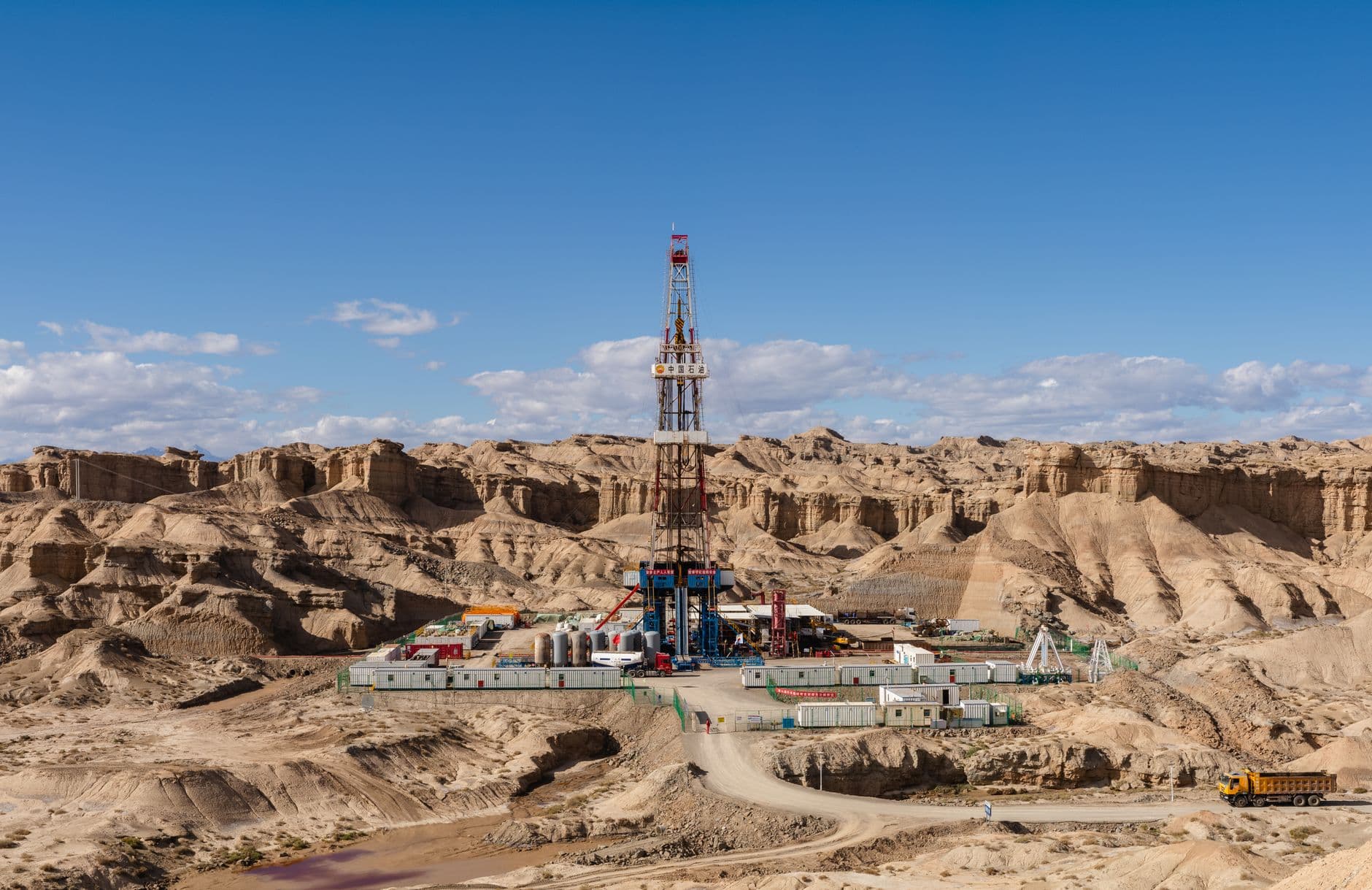
Twenty workers per well is becoming five. Nabors Industries, the largest onshore drilling company on the planet, said in 2017 that it expected automated rigs could cut the crew at each well site to around five from 20, Bloomberg reported , according to a recent industry report. That is not a pilot program. It is the new economics of extraction.
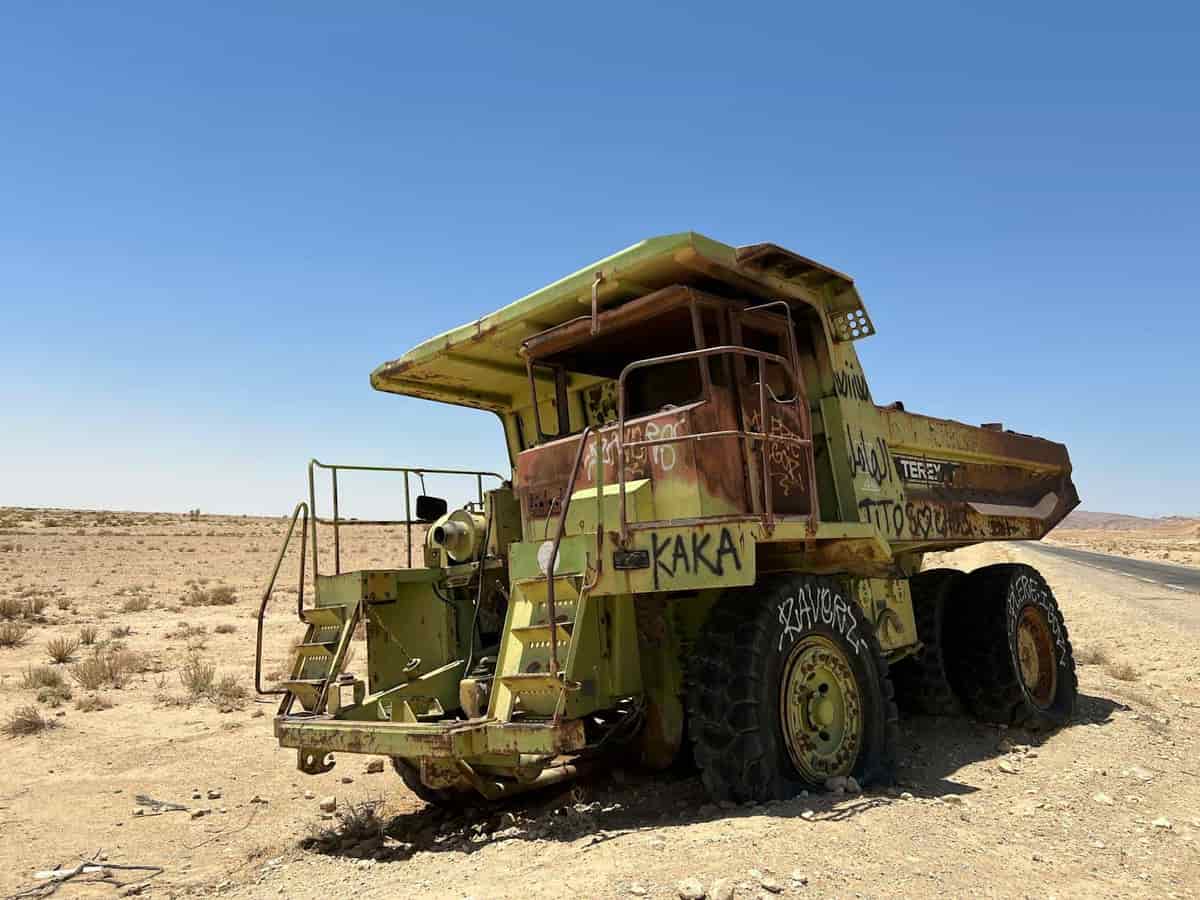
The Financial Times noted this week that robots are coming to the oil patch. They are already here. What is changing in 2026 is scale. Approximately 3% of mobile mining equipment operates autonomously , industry assessments show—a figure that reflects both proven commercial viability and an enormous deployment gap. McKinsey projects that up to 30% of manual mining tasks will be fully automated by 2030 . The distance between 3% and 30% represents one of the largest technology rollouts currently underway in heavy industry.
Can Machines Actually Drill Better Than Humans?
The answer, increasingly, is yes—and the data is specific. Autonomous systems have eliminated 94% of drilling floor human interventions during critical operations, with zero safety incidents in 3.2 million autonomous drilling hours across global deployments , according to iFactory, an AI platform provider for oil and gas operations. OSHA counts 489 oil and gas extraction workers killed on the job from 2013 to 2017, many during routine inspection or equipment adjustment tasks . Robots do not get tired at 2 a.m. They do not misjudge pipe torque. They do not stand in red zones.
Halliburton and Nabors recently achieved drilling automation benchmarks in Oman, with Nabors' senior vice president noting "this is just the beginning, and we are excited to continue to push the boundaries of innovation to achieve autonomous drilling" , the companies announced in April 2025. The collaboration led to drilling performance optimization and reduced well construction time, they reported.
The technology stack is maturing fast. To achieve true autonomous drilling, a rig needs three core components working together: smart sensors providing real-time data on pressure, vibration, and temperature; AI algorithms that analyze sensor data to predict outcomes and choose efficient drilling parameters; and robotic control systems that execute physical movements with precision humans cannot match , according to Norton Energy.
In mining, the shift is even further along. Rio Tinto currently operates 40 autonomous drills across 7 mine sites in the Pilbara region of Western Australia, with all rigs remotely supervised from its Operations Centre in Perth , the company disclosed. Since beginning trial operations in 2008, there have been zero injuries attributed to haul trucks equipped with autonomous haulage system (AHS) , Rio Tinto reported—a safety record that has moved autonomous trucks from experiment to standard operating procedure.
What About the Economics?
The autonomous mining equipment market tells the story in dollars. The market will grow from $3.12 billion in 2025 to $3.26 billion in 2026 at a compound annual growth rate of 4.5%, and is expected to reach $3.99 billion by 2030 at a CAGR of 5.2% , Research and Markets projects. Growth in the forecast period is attributed to increasing investments in digital mining, rising demand for cost reduction in operations, expansion of fully autonomous mine sites, growing focus on emission reduction, and increasing adoption of AI-based mine optimization .
China is moving fastest. 100 Huaneng Ruichi all-electric heavy haul trucks were deployed at Yimin's open-pit coal mine in Inner Mongolia last May, powered by Huawei's 5G-Advanced network; since then, they've logged thousands of hours and moved millions of tons of material , Electrek reported in March 2026. The first trucks arrived in 2024 and were already operating at 120% of the benchmark set by their human-driven, diesel-powered competitors; as systems were refined and autonomous battery swap processes improved, performance increased further .
The efficiency gains are not marginal. Each autonomous truck was estimated to have operated about 700 hours more than conventional haul trucks during 2017 and around 15% lower load and haul unit costs , Rio Tinto reported. That is 700 additional hours per truck, per year—the equivalent of adding nearly a month of production without adding headcount.
Predictive analytics is the force multiplier. By analyzing historical patterns and operational data, mining operations can reduce unplanned downtime by up to 30-50%, cut maintenance costs by 18-40%, and make data-driven decisions that improve productivity and sustainability , according to AI Superior's 2026 mining analytics guide. Modern mining automation solutions integrate AI and digital twins to optimize ore recovery, reduce downtime, and cut energy use by up to 25% , industry research shows.