Thursday, June 4, 2026Vol. III · No. 155Subscribe
The Mining, Energy & Technology Wire
Mining · Analysis

Machines That Think Underground

From autonomous haul trucks to AI-guided drill bits, automation is rewriting the economics of resource extraction—and the race to deploy it is accelerating faster than most operators expected.

Machines That Think Underground
PhotographFrom autonomous haul trucks to AI-guided drill bits, automation is rewriting the economics of resource extraction—and the race to deploy it is accelerating faster than most operators expected.

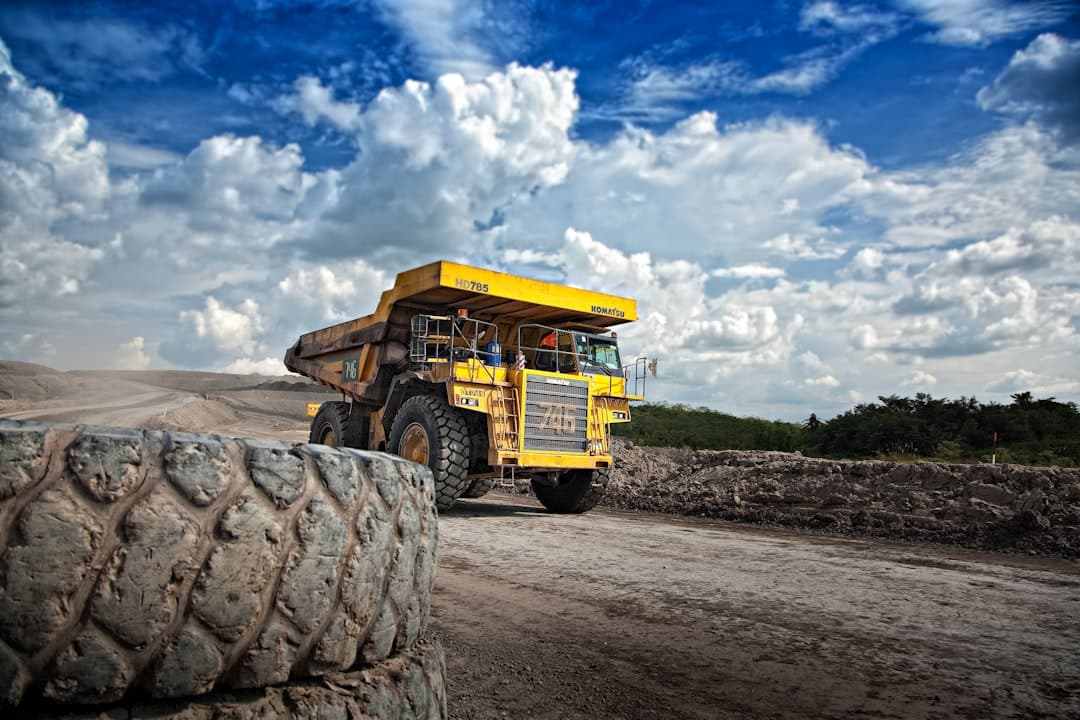
Komatsu just commissioned its 1,000th autonomous haul truck. That milestone, reached in April at Barrick's Nevada Gold Mines, represents nearly two decades of iteration—and a tipping point, according to industry analysts. The 930E-5AT, an ultra-class electric drive truck with a 290-metric-ton payload, reinforces Komatsu's position as the pioneer and global leader in autonomous haulage, having been first to market with a commercial autonomous mining solution in 2008. But the real story isn't the truck count. It's what happened in the eighteen months leading up to it.

In Inner Mongolia, 100 Huaneng Ruichi all-electric heavy haul trucks powered by Huawei's 5G-Advanced network were deployed at Yimin's open-pit coal mine last May, logging thousands of hours and moving millions of tons of material in what's being called a breakthrough in safety and productivity. In Guyana, ExxonMobil drilled its first fully autonomous well, with AI handling drilling and geosteering through the reservoir section, delivering stronger drilling and well placement performance than conventional approaches, according to the company's exploration chief. And in the North Sea, Halliburton and Sekal deployed the world's first automated on-bottom drilling system in 2025, integrating AI-enabled drilling automation with closed-loop control that adjusted drilling parameters in real-time without manual intervention. The machines aren't just assisting anymore. They're deciding.

Can AI Really Find What Geologists Miss?

KoBold Metals thinks so. The Silicon Valley startup, backed by Bill Gates and Jeff Bezos, discovered a massive copper deposit in Zambia that traditional exploration completely overlooked—the Mingomba deposit projects 300,000 tonnes of annual copper production by 2030.

Experienced geologists had explored this region for decades without recognizing the deposit's potential, but KoBold's AI analyzed a century of geological data, satellite imagery, geochemical surveys, and field reports, identifying patterns invisible to human analysis.

The company's approach addresses a structural problem: chronic underinvestment in research and development has made the mining industry far less successful, now requiring over 10 times more capital to discover ore deposits than a generation ago.

KoBold has been drilling at its Zambian permit for a little over a year, and its president said they confirmed the deposit's "huge" size during that time—in a sector where exploration cycles are measured in years, confirming a deposit of this scale in under 14 months points to a more predictable and accelerated pipeline.

The implications ripple beyond copper. KoBold Metals applies AI to analyze geological data and accelerate discovery of critical minerals for clean energy, while AI is used in mining for predictive maintenance of equipment, AI-driven mineral exploration, autonomous haulage and drilling, real-time safety monitoring, and energy optimization.

By analyzing historical patterns and operational data, mining operations can reduce unplanned downtime by up to 30-50% and cut maintenance costs by 18-40%.

Why Are Drillers Suddenly Trusting Algorithms?

Because the alternative is expensive. Offshore drilling operations lose $1.2 million per day when autonomous systems fail to prevent stuck pipe incidents, wellbore instability, or equipment breakdowns because traditional manual drilling relies on human reaction times 8 to 12 seconds slower than AI-controlled systems. That gap—eight seconds—is the difference between catching a formation change and spending two weeks fishing pipe out of a hole.

Autonomous drilling systems monitor downhole conditions and automatically adjust weight on bit or rotary speed to maintain the best Rate of Penetration when they detect a change in rock hardness.

Fully automated drilling systems are expected by 2027, using artificial intelligence, machine learning, and real-time analytics to make drilling decisions without human intervention, potentially delivering 50% efficiency gains compared to current operations.

The technology is moving from pilot to production. In March 2026, Halliburton expanded deployment of AI-driven drilling automation systems to improve real-time well optimization and reduce non-productive time in shale operations, while Schlumberger upgraded its autonomous drilling platform with advanced edge analytics for deepwater and unconventional resource projects in January 2026.

Microsoft projects that 82% of mining leaders expect to use digital labor within 12–18 months, emphasizing AI to improve exploration accuracy, automate equipment, predict maintenance, and optimize energy usage.
What About the Humans?

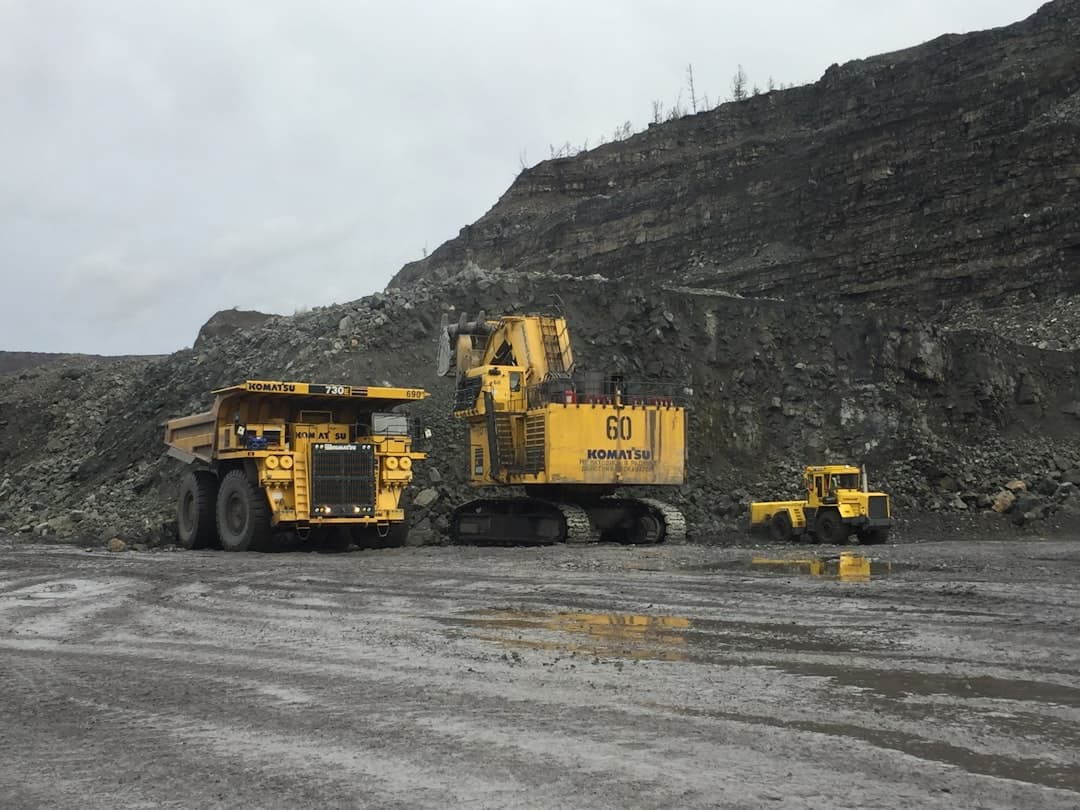
They're not disappearing—they're relocating. Leading Komatsu autonomous haul truck units achieve over 100,000 autonomous operating hours individually, with the 930E platform representing the company's most widely deployed configuration, and the latest 930E-5AT variant demonstrating ultra-class electric-drive capabilities supporting 290 metric tons per load while maintaining autonomous navigation precision. But someone still needs to monitor the fleet, interpret anomalies, and make the call when the algorithm flags uncertainty.

Forward-thinking mining firms are investing in workforce development by teaching digital literacy, automation skills, and adaptable problem-solving, helping create a new generation of mining professionals comfortable blending engineering knowledge with data interpretation. The shift is from manual control to supervisory oversight—a transition that's proving harder for some operators than the technology itself.

Many people in the drilling industry remain skeptical about the viability of achieving fully autonomous drilling in the near future, especially at scale, with one drilling contractor VP pointing to the complexity and variety of tasks completed by humans on the rig as far too great for an autonomous system to fully handle, particularly at a reasonable cost.

Rather than trying to develop fully autonomous rigs to deploy at scale, it's more likely that drilling contractors will expand the list of tasks on the rig that can be automated.

The economic pressure, however, is unambiguous. Modern mining automation solutions integrate AI and digital twins to optimize ore recovery, reduce downtime, and cut energy use by up to 25%, supporting both efficiency and sustainability goals.

By 2026, over 1,200 autonomous mining trucks are projected to operate globally, optimizing haulage in major mines.

What Changed This Week

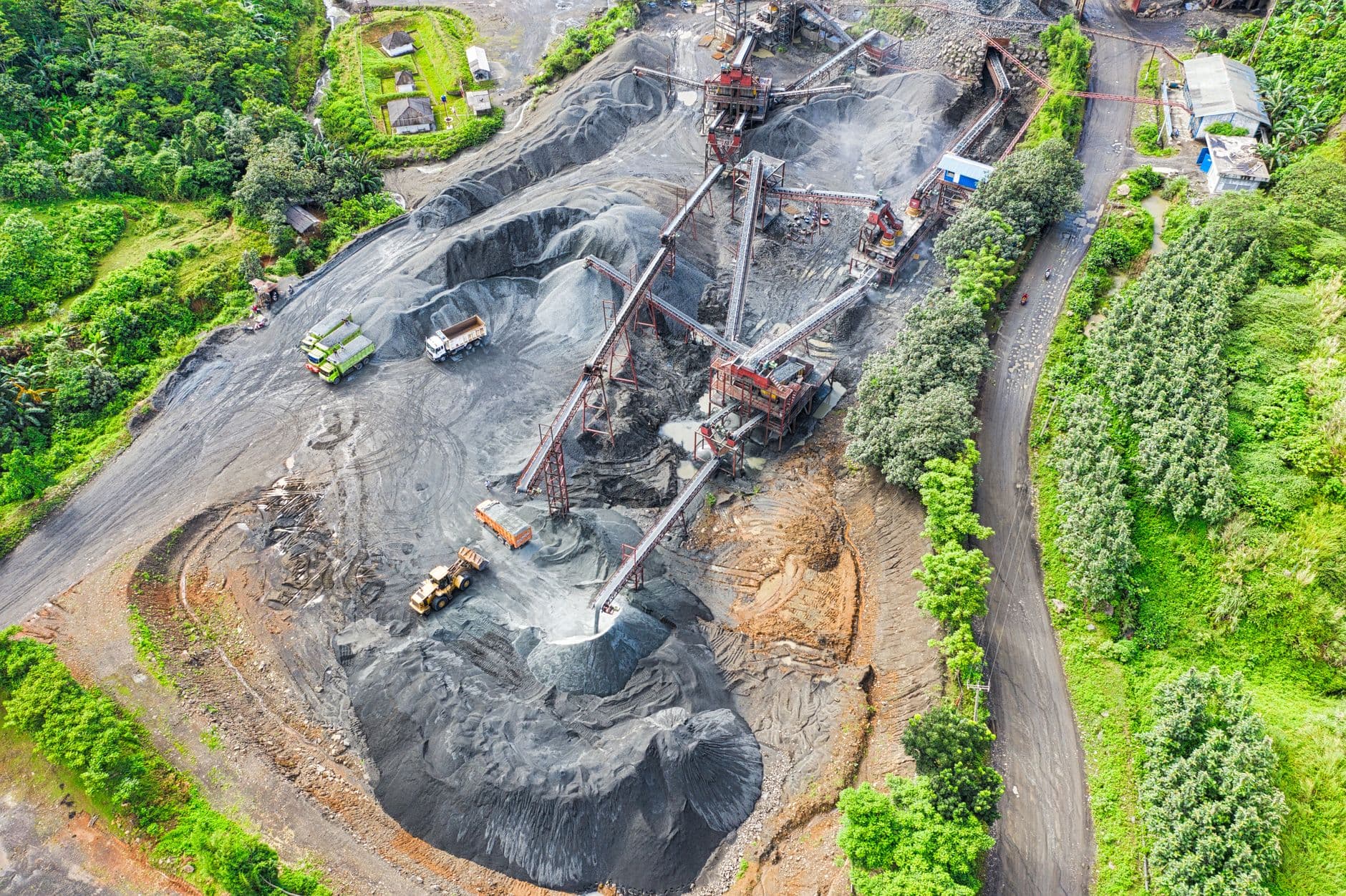
Epiroc extended autonomous haulage beyond mining into quarrying, winning an order from Heidelberg Materials to adapt and implement autonomous solutions for driverless haul trucks at a quarry in Australia, marking the deployment of its LinkOA system into the aggregates sector. The move signals that automation economics now work at smaller scales than previously assumed. Meanwhile, Mariana Minerals began integrating autonomous haulage capabilities into MarianaOS through a partnership with Pronto, the Silicon Valley-based autonomous haulage pioneer, with deployment across heavy truck operations at Copper One, Mariana's fully operational copper mine in southeastern Utah. Software-first mining companies are no longer a curiosity—they're operational.

What to Watch

ExxonMobil's Guyana autonomous well results will inform whether other operators accelerate AI-guided drilling in deepwater environments, where the cost of mistakes is highest. KoBold Metals is transitioning from exploration to pre-feasibility at Mingomba, with shaft sinking slated to begin in early 2027, marking the transition from a digital model to physical infrastructure. And Halliburton's acquisition of Sekal in April 2026, aimed at strengthening autonomous drilling and real-time drilling automation capabilities, suggests the service giants are betting that automation becomes table stakes, not a premium offering. The question isn't whether machines will think underground. It's how fast operators can teach them—and whether the humans can keep up.

Coverage aggregated and synthesized from leading energy-sector publications. See linked sources within the article.

Share this story

More from Stake & Paper

Was this article helpful?

ClaimWatch

Mining claims intelligence — from query to report, in minutes.

Every unpatented mining claim across all twelve BLM states. Leadfile audits, due diligence, site selection, regional prospecting, entity investigations, and AOI monitoring — delivered as complete report packages.

4.4M+
Claims Tracked
12
BLM States
7
Report Types
Request a Sample Report
Stake & Paper AM

One morning brief. The whole energy sector.

Original analysis, the day's most important wire stories, and market data — delivered before your first cup of coffee. Free.