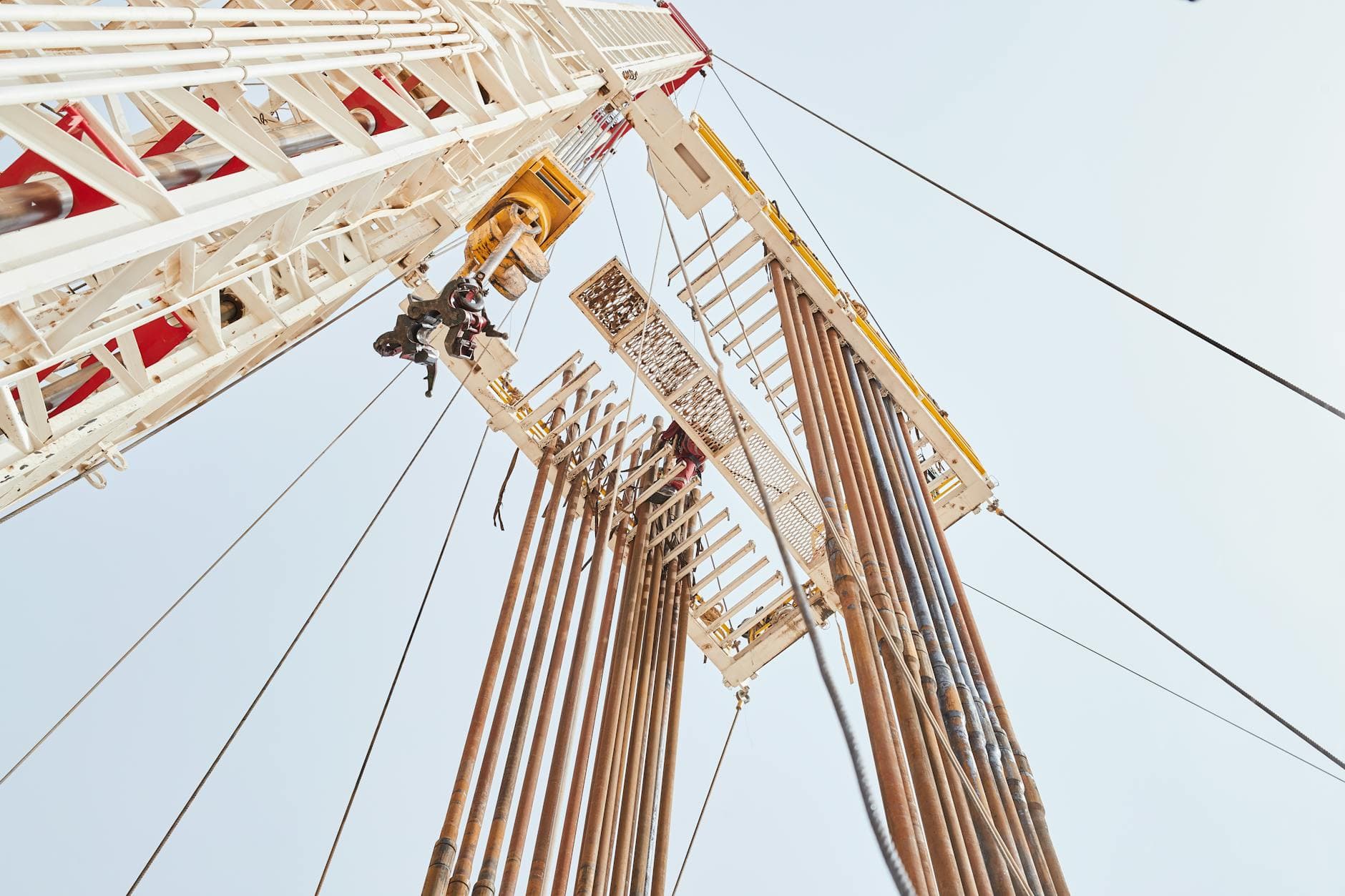
Halliburton paid an undisclosed sum in April to acquire Sekal, a Norwegian drilling automation firm whose technology has already been deployed in more than 1,300 wells worldwide. The deal wasn't about scale—it was about speed. Sekal's DrillTronics platform, now merged with Halliburton's LOGIX automation system, can reduce well delivery times by up to 25% through precise well placement and fully automated tripping operations , the company announced. That's not an incremental improvement. That's the difference between profit and loss in a basin where rig rates run $30,000 per day.
The acquisition signals something larger: the global autonomous drilling rig market, valued at $1.1 billion in 2024, is projected to reach $1.6 billion by 2030 , according to Research and Markets. But the real story isn't the hardware—it's what happens when machines start making decisions faster than humans can. AI algorithms now analyze sensor data on pressure, vibration, and temperature in real time, then robotic control systems execute physical movements with precision humans cannot match , Norton Energy reported last week. The rig floor, once the domain of roughnecks and drillers, is becoming a control room problem.
Can Sensors Really Replace Experience?
De Beers thinks so. The diamond miner's Upstream Technology division has spent the past two years rebuilding its automation strategy from the ground up—starting not with software, but with sensors. "Previously, companies invested heavily in software and control systems, but the underlying sensing layer was unreliable. When the inputs are wrong or unstable, every automated decision based on them becomes suspect," Upstream Technology's Curtis explained , according to International Mining. The philosophy: get the sensing right first, then build automation on top of that foundation. Only after those two layers prove stable does it make sense to layer on artificial intelligence.
Through-belt XRT sensors now measure diamond and ore properties continuously in real time, while processing plant sensors monitor flows, levels, pressures, and densities to keep circuits within tight operating windows. On equipment, they track temperatures, vibrations, and loads to support predictive maintenance , the company noted. It's a quiet revolution. No press releases about "digital transformation." Just thousands of sensors feeding data into systems that learn what normal looks like—and flag anything that isn't.
The mining industry is following a similar path. AI-driven automation has emerged as a critical strategy for addressing declining ore grades, heightened safety regulations, and global talent shortages, accelerating the integration of technologies that transform reactive operational models into predictive ecosystems capable of autonomous decision-making , Discovery Alert reported in March. Advancements in sensors, software, and predictive analytics are transforming equipment performance and maintenance, helping operators optimize productivity across the entire mining lifecycle , SNC Technologies found.
The economics are stark. AI-powered predictive maintenance helps reduce the $1.5 trillion in yearly losses caused by unexpected downtime, with Shell reporting 40% fewer equipment failures and BP saving $10 million annually , according to Energies Media. When a haul truck costs $5 million and a single unplanned shutdown can idle an entire pit, the business case for sensors writes itself.