Experienced geologists explored Zambia's Copperbelt for a century without recognizing what lay beneath. KoBold Metals' AI found it in three years—a copper deposit projected to produce 300,000 tonnes annually, backed by $537 million from Bill Gates and Jeff Bezos. The discovery, announced in February and now valued at nearly $3 billion, wasn't luck. It was pattern recognition across terabytes of legacy data, satellite imagery, and geochemical surveys that human analysis simply couldn't synthesize at scale.
That gap between what humans can process and what machines can detect is reshaping energy and mining operations in 2026. According to Microsoft, 82% of mining leaders expect to deploy digital labor within the next 12 to 18 months to address a looming workforce crisis—the industry needs 700,000 new workers by 2030, an 88% increase from 2022 levels. AI isn't filling those roles. It's creating entirely new ones, from autonomous drilling systems that adjust parameters in real-time to predictive maintenance algorithms that cut energy consumption by up to 25%, per industry research compiled by Farmonaut.
Can Machines Actually Drill Better Than Humans?
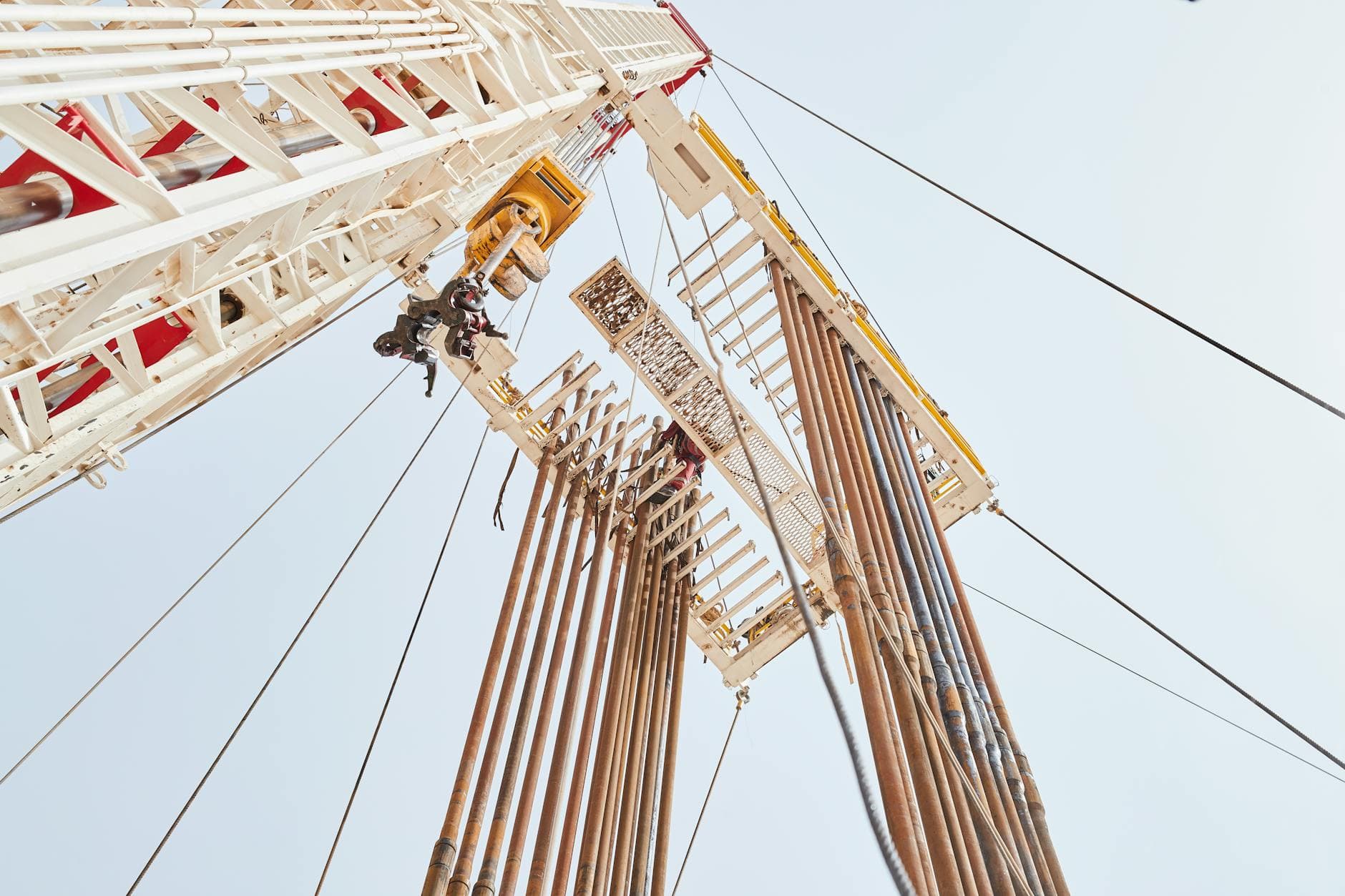
Autonomous drilling has moved past the pilot stage. SLB reported in May that autonomous directional drilling systems now operate commercially, with the technology "measurably improving job-to-job consistency and reliability." Norton Energy, a Permian Basin operator, described the shift this way: autonomous systems don't just follow scripts—they monitor downhole conditions and adjust weight on bit or rotary speed to maintain optimal penetration rates without human intervention.
The economics are stark. According to iFactory, a North Sea operator using autonomous drilling detected high-pressure zones 840 feet earlier than manual systems, avoiding $16.8 million in non-productive time that plagued an adjacent well. Baker Hughes emphasized that its autonomous drilling solutions "drive greater safety and predictability while delivering more productive and profitable wells," integrating real-time data analytics and digital twin models to optimize every meter drilled.
The technology relies on three components working in concert, Norton Energy explained: high-fidelity sensors streaming pressure, vibration, and temperature data; AI algorithms that interpret those signals; and automated control systems that execute adjustments faster than any human driller could. The result is drilling that adapts to geology as it encounters it, not after the fact.
What Happens When AI Cuts Energy Use by a Quarter?
Mining automation is delivering measurable efficiency gains that directly impact the bottom line. Modern systems integrating AI and digital twins can optimize ore recovery and cut energy use by up to 25%, according to Farmonaut's analysis of 2026 mining automation solutions. That's not a future projection—it's happening now at operations run by companies including Tata Steel, POSCO, and South32, per Omdena's survey of 24 leading AI mining companies.
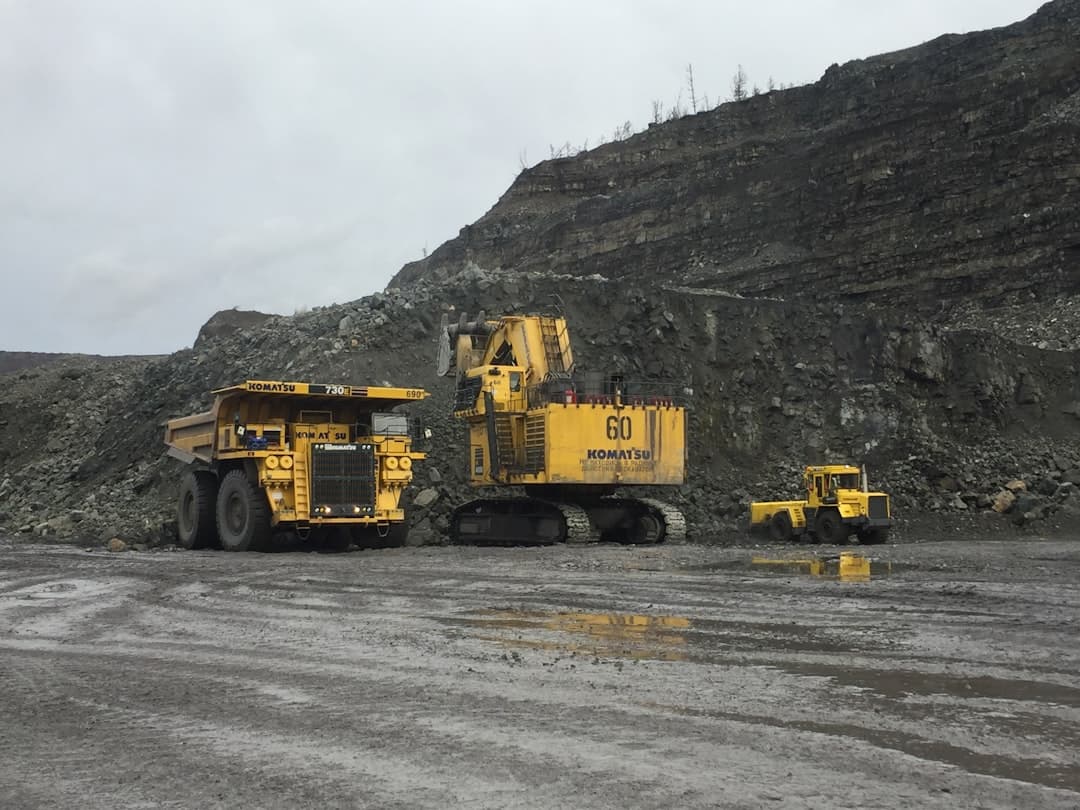
The energy savings come from multiple sources. Machine learning models predict equipment failures before they occur, eliminating unplanned downtime. AI-powered processing controls automate crushing, grinding, and flotation to maintain quality consistency while minimizing power draw. Autonomous haul trucks optimize routes and reduce idle time. Research published in Frontiers in Energy found that grinding operations in iron ore mines are particularly prone to energy peaks that can increase spending by up to 25%—precisely the inefficiency that AI targets.
Global Mining Review noted in November that "AI will move from being an add-on to becoming a more central part of decision-making, risk management, and sustainable performance" in 2026. The shift is visible in adoption rates: companies capable of producing accurate, data-driven reports on performance and ESG compliance command more credibility and better funding, the publication reported.
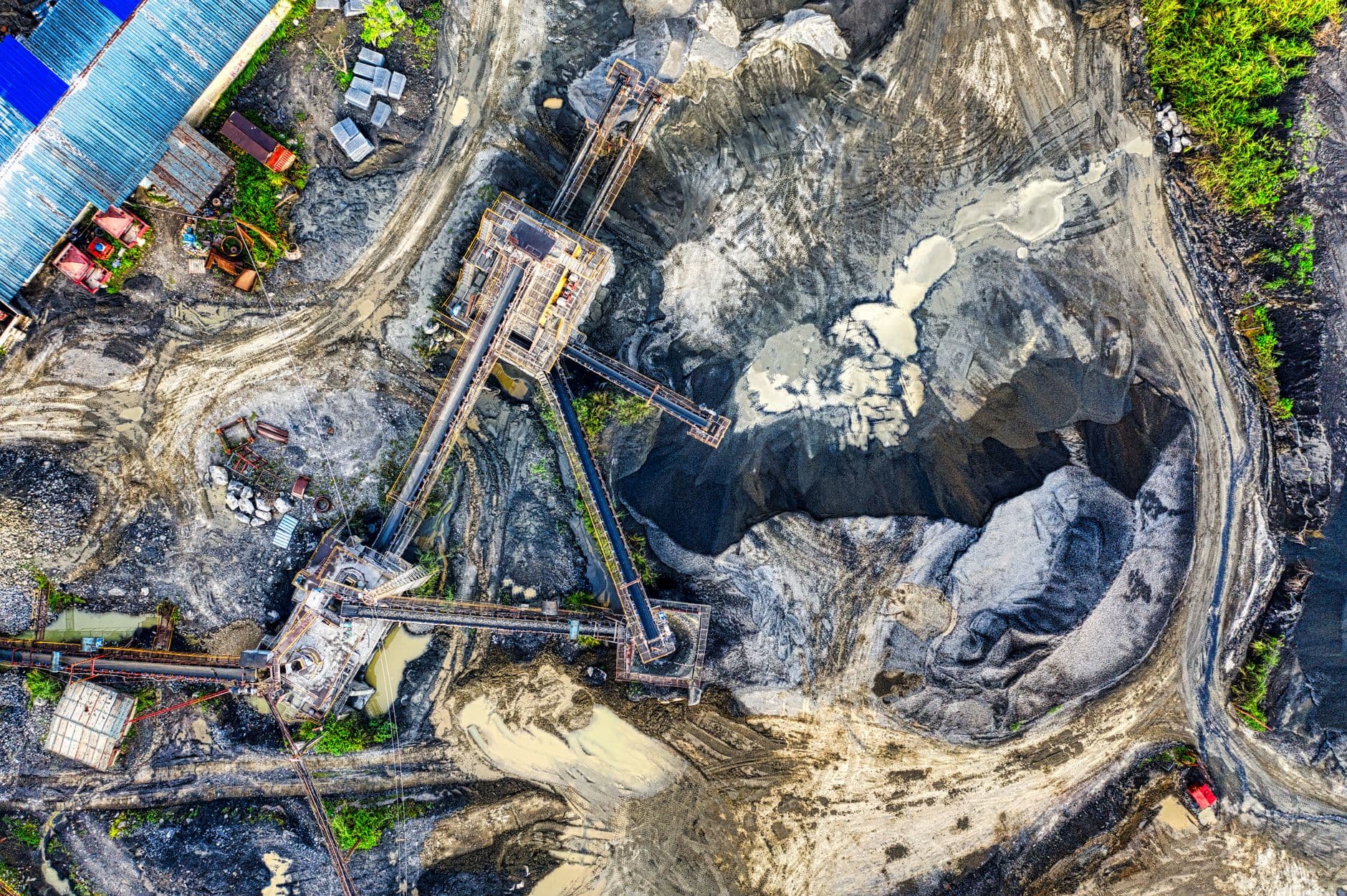
Canadian Mining Journal highlighted a March 2026 milestone when Propeller acquired Spacesium, a specialist in AI-driven mine site intelligence. The move reflects how 3D maps are becoming "the source of truth" for mine status, with AI automation designed to "offload repetitive and manual work that often bogs down technical teams." Drones now fly longer, operate autonomously, and feed data into systems that process high-precision information faster than was possible five years ago.