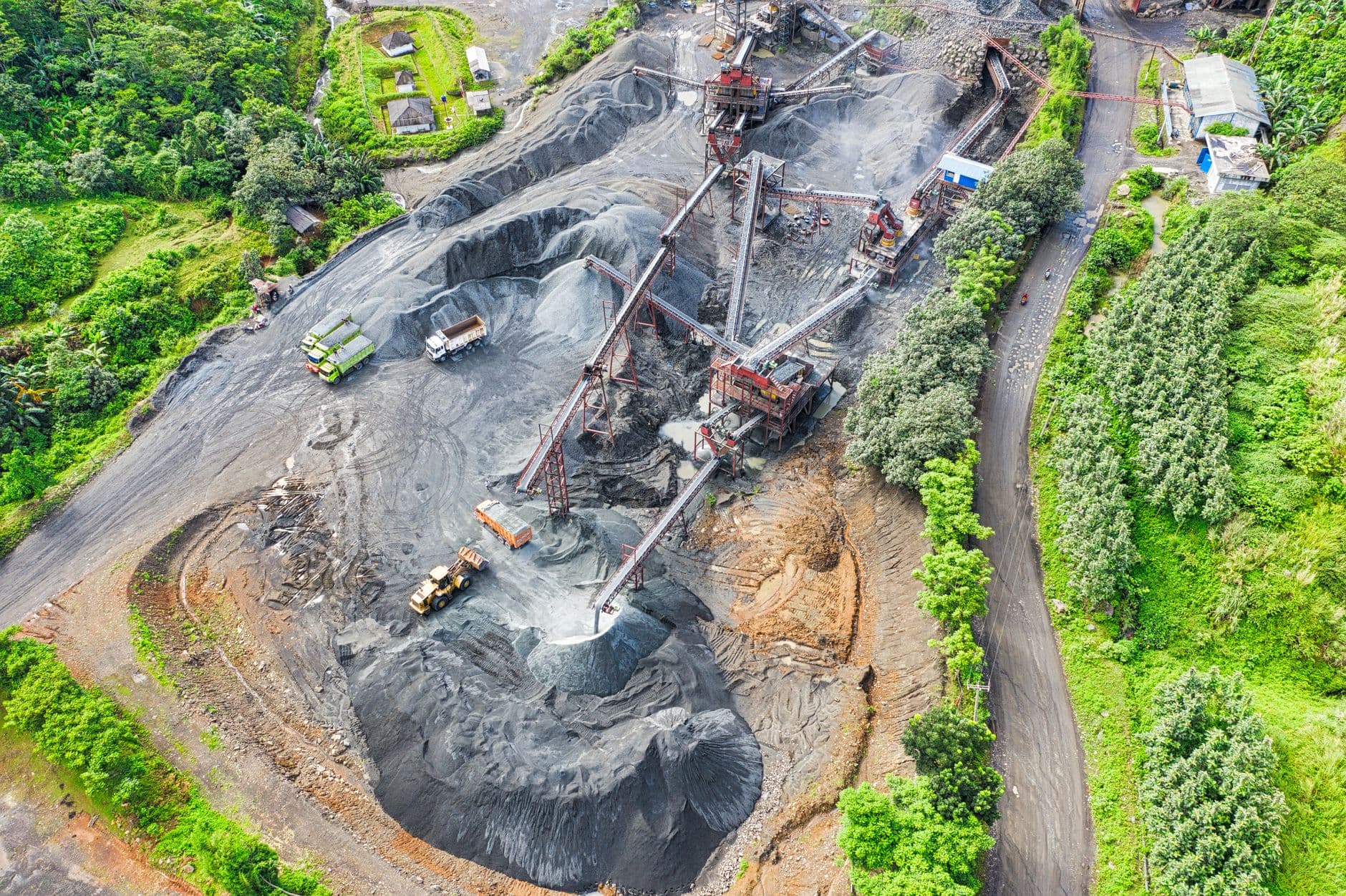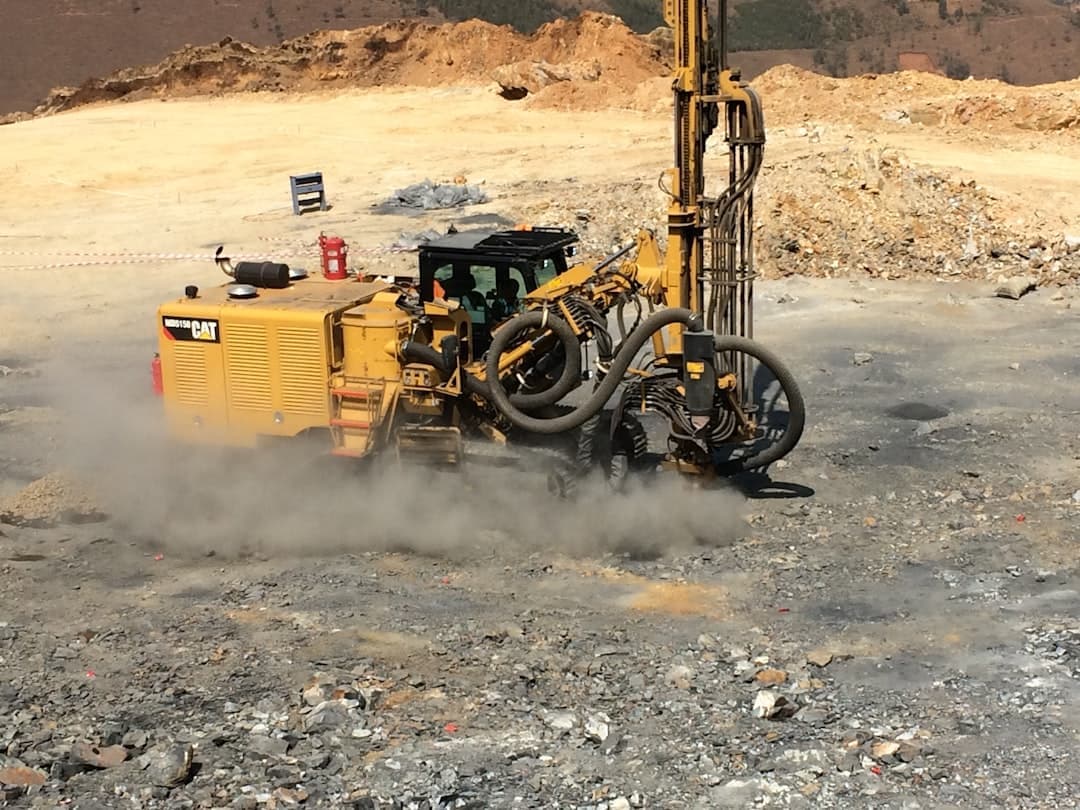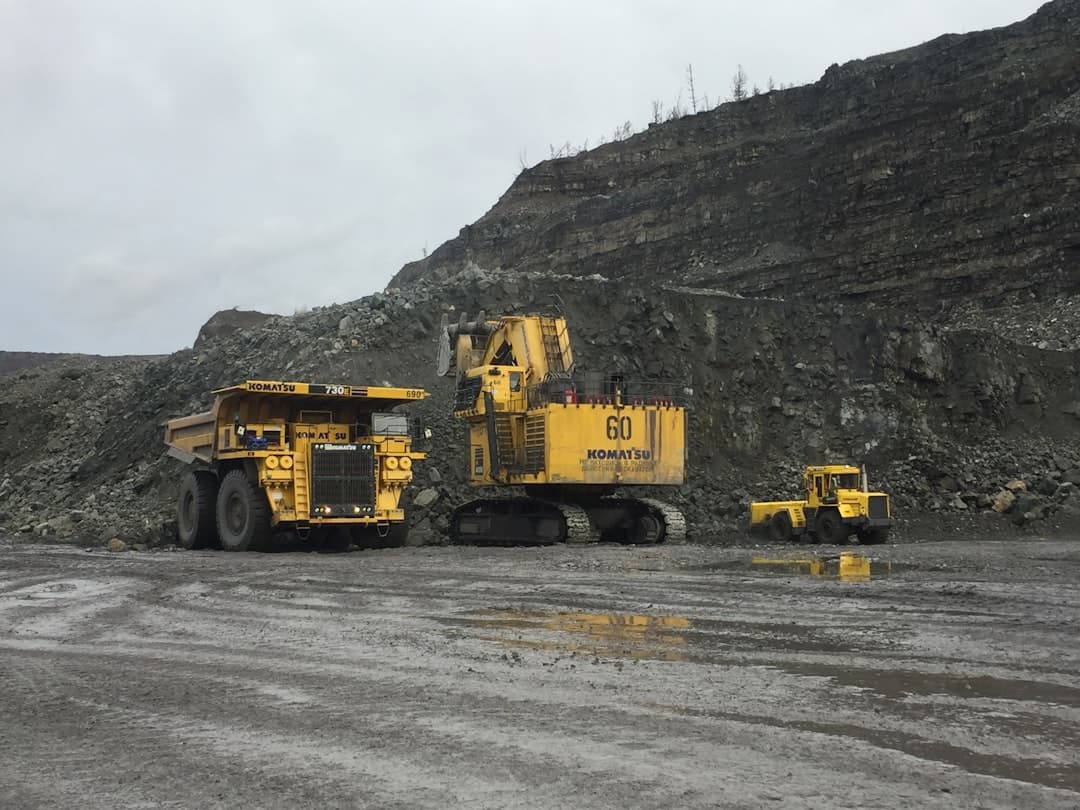
Hitachi Construction Machinery and Pronto signed a partnership this week to advance open mine automation solutions, aiming to give mining companies flexible options that improve productivity and safety while addressing labour shortages. The deal, announced Tuesday, marks a pivot: Pronto CEO Anthony Levandowski said mine operators want "automation that works with the fleets they already own, not another closed, single-vendor ecosystem," and that Pronto has proven OEM-agnostic autonomous haulage at commercial scale.
It's a microcosm of a broader transformation. In 2026, AI is moving from being an add-on to becoming a more central part of decision-making, risk management, and sustainable performance in mining , according to Global Mining Review. Meanwhile, the AI boom itself is reshaping energy demand in ways few anticipated eighteen months ago. Natural gas demand from U.S. data centers may reach 6.1 billion cubic feet per day by 2030—a nearly 20% increase to annual average powerburn in recent years , RBC Capital Markets reported in May. The machines learning to dig are also learning to power themselves.
Can Automation Work Across Mixed Fleets?
Pronto's systems have autonomously hauled millions of tonnes in commercial mixed-fleet operations, with production deployments spanning three continents, and the company's mission is to make autonomous haulage practical, affordable, and available to every mining operation worldwide , International Mining reported. Existing Pronto customers include Heidelberg Materials at quarries like Lake Bridgeport, Texas, where Pronto's system is working on a mixed fleet of Caterpillar and Komatsu haul trucks, with ultimately over 100 trucks to be outfitted with the Pronto AHS across more than a dozen Heidelberg global sites.
The economics are compelling. By 2026, global autonomous mining companies are expected to operate fleets with up to 85% full automation, driving significant cost reduction and immediate safety improvement. But the real shift is architectural. Miners are increasingly seeking practical and scalable solutions that can improve productivity and safety while also helping address labor shortages, and open automation systems can reduce dependence on a single technology platform or vendor ecosystem , according to reports from Japan.
The Hitachi-Pronto deal isn't the only sign that AI is moving from pilot to production. Glencore Technology is positioning the Jameson Cell for the next generation of mineral processing, highlighting how flotation circuit design can unlock the full potential of AI-driven advanced process control (APC) , the company said Monday. "AI has enormous potential for mineral processing, but software alone won't deliver it," said Dr. Chris Anderson, Principal Metallurgist at Glencore Technology, noting that "the quality of the control strategy will always depend on the quality of the underlying process and the data available to it."
Why Is AI Suddenly Eating Natural Gas?
The answer is simpler than the infrastructure required to deliver it. The rapid expansion of artificial intelligence is fueling an unprecedented surge in energy requirements across the U.S. data center market, with electricity demand from the sector potentially increasing by between 74-132GW by 2029, potentially accounting for up to 12 percent of total U.S. consumption , according to Berkeley Labs data cited by Data Center Dynamics.
Rapid growth in AI data center power demand is driving a resurgence in fossil fuel investment, and while renewable energy continues to dominate total planned capacity, there has been an increase in natural gas planned capacity from 11.1 percent in 2024 to 18.1 percent in 2026 , the American Action Forum reported. The shift is structural, not temporary. In January, Pacifico Energy's GW Ranch in West Texas became the largest approved gas power project in the country when the Texas Commission on Environmental Quality granted an air permit of up to 7.7 gigawatts of generation by natural gas turbines to power a private grid supporting data centers, and NextEra also secured approval for two large natural gas plants in Texas and Pennsylvania with a combined 10 GW of power.
PwC's analysis projects AI-linked gas demand in the U.S. could reach 7.6-11.5 Bcf/d by 2035, depending on data center buildout scenarios, and existing gas networks have a competitive advantage. The constraint isn't capital. The biggest constraint may be infrastructure, not capital—permits, pipelines, turbines, labor, water, and project timelines are increasingly the scarce resources shaping who captures value from the AI buildout.
Meanwhile, new demand from data centers is a significant near-term driver of growth for natural gas-fired and coal-fired generation, through both higher utilisation of existing assets and new power plants, with natural gas and coal together expected to meet over 40% of the additional electricity demand from data centers until 2030 , the IEA reported.