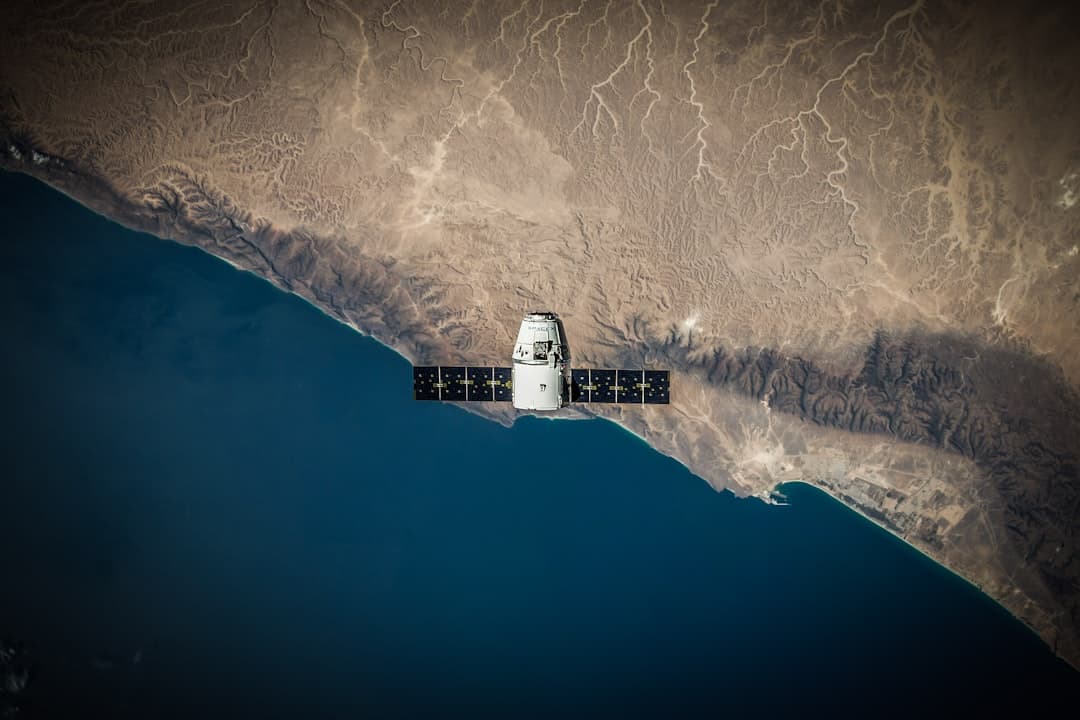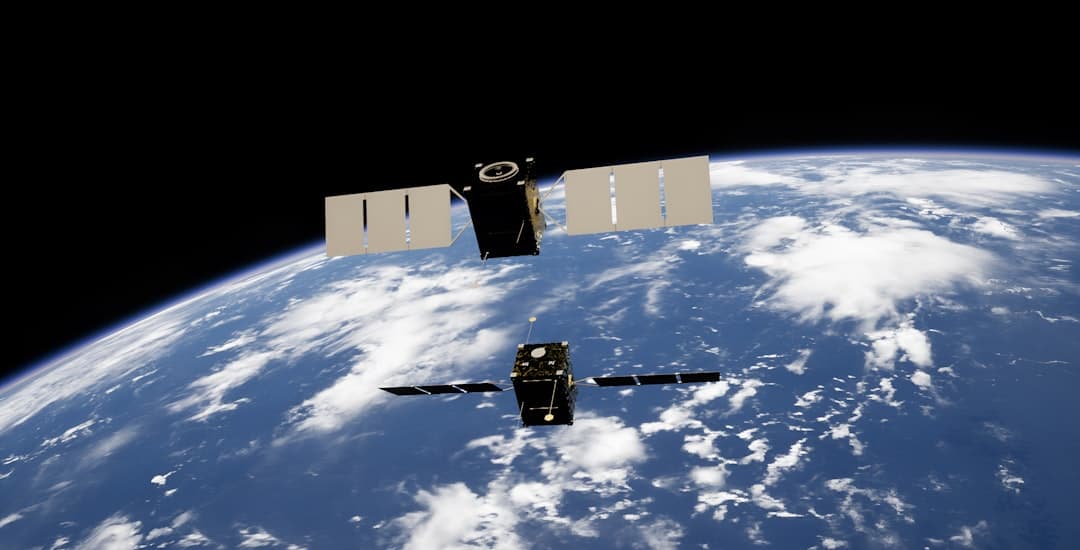
Satellogic announced in March that its Merlin constellation will remap the entire planet daily at one-meter resolution, with the first satellite launching in October 2026 . That is not incremental progress. Until now, organizations had to choose between global coverage at low resolution or high-resolution monitoring of a limited number of sites, according to CEO Emiliano Kargieman . Merlin removes that trade-off.
Meanwhile, Pixxel's six Firefly satellites—all launched in 2025—are already operational, capturing high-fidelity spectral data across 135+ bands at five-meter resolution . The hyperspectral segment now includes established missions like PRISMA and EnMAP alongside a growing set of Chinese missions and private operators including Orbital Sidekick, Wyvern, Pixxel, and Esper, moving the technology from research demonstrations to a real market segment . For mining and energy companies, this means something concrete: satellite-scale prospecting that slashes traditional discovery timelines and costs by up to 80-85%, according to Farmonaut .
Can You Really Find Lithium From Space?
Yes, and the physics are straightforward. Hyperspectral satellites record hundreds of narrow, contiguous spectral bands spanning visible to shortwave infrared, extracting detailed chemical and physical information from land, crops, forests, and mining prospects . Every mineral—lithium, copper, gold, rare earths—leaves its mark in the hyperspectral data, letting operators spot deposits even under thin vegetation or soil cover .
At the McDermitt caldera in the U.S., researchers used Germany's EnMAP satellite to detect lithium-bearing hectorite through absorption features at 2306 nm and 2200 nm, confirming that these spectral signatures can effectively vector toward lithium-prospective areas on a caldera scale . NASA and the USGS are conducting the largest systematic hyperspectral mineral survey in U.S. history, covering 366,000+ square miles across the American West during 2023-2026, focusing on Nevada Basin and Range formations and Utah's mineral-rich corridors with significant potential for lithium, cobalt, and rare earth deposits .
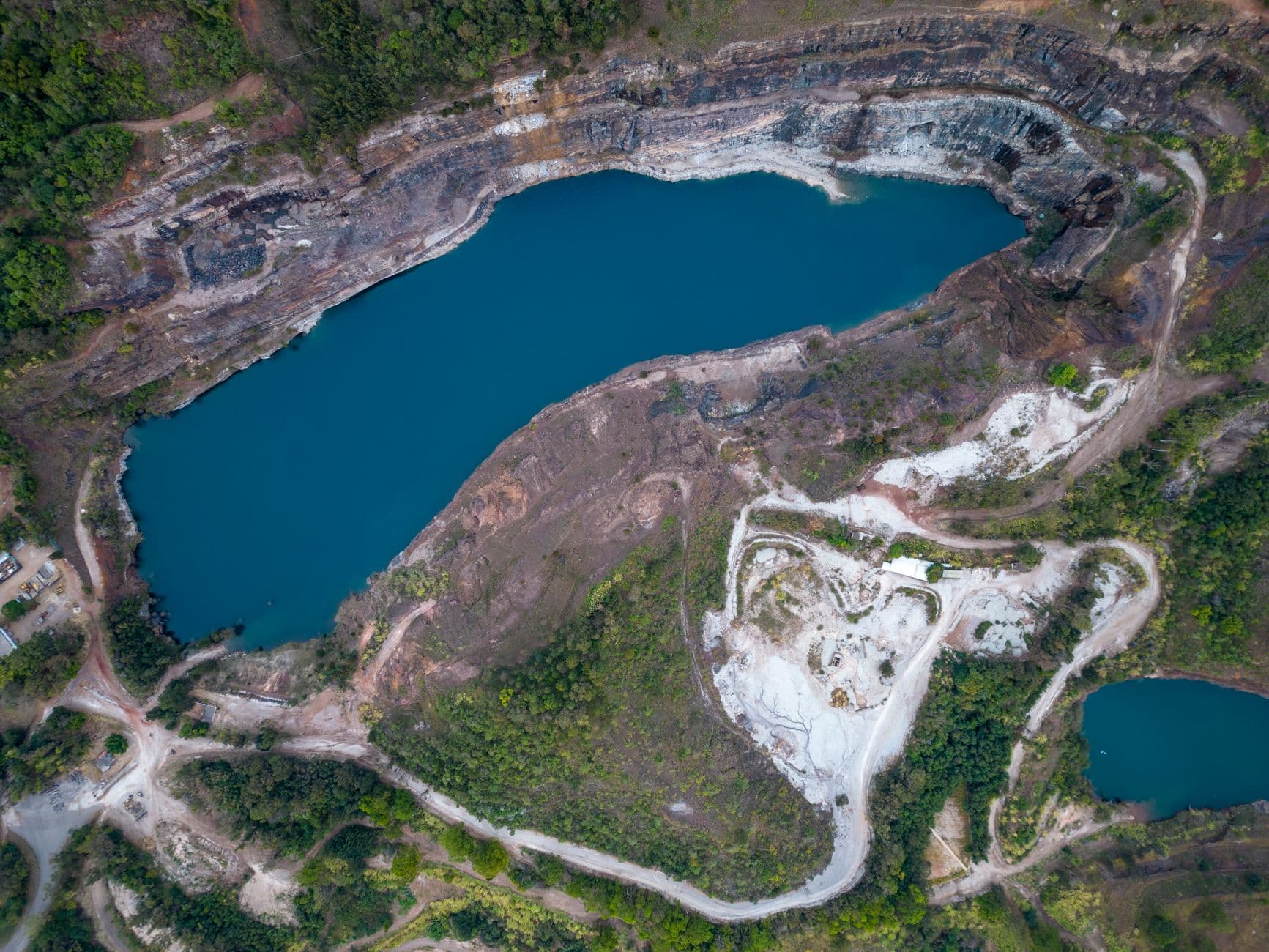
The commercial applications are moving faster than the research. Esper's FLC constellation, launching in 2026, is especially suited to support sustainable mining, which has seen a boom in global demand for critical minerals like lithium and copper, aiming to enable companies to unlock these resources by providing insights for efficient deposit identification while minimizing ecological impact .
What About Infrastructure You Already Built?
Space technology is not just for greenfield exploration. French mining group Eramet, the largest producer of high-grade manganese ore worldwide, collaborated with Italian remote sensing specialist Tre Altamira to improve space-based subsidence monitoring at active and legacy sites . Using Copernicus Sentinel-1 radar data and advanced InSAR techniques, the pilot successfully demonstrated how space data can provide actionable, scalable ground motion data to support risk mitigation, infrastructure maintenance, and long-term planning in mining operations .
The precision is remarkable. InSAR platforms identify subtle shifts in ground stability with millimeter accuracy across multiple locations, eliminating the need for manual field inspections . By analyzing phase differences in radar reflections, InSAR detects millimetric changes in Earth's surface, revealing displacement patterns . In China's Fengcheng oil field, InSAR monitoring revealed ground surface maximum cumulative uplift of 40 cm over four years, with annual average deformation rates ranging from -80 to 120 mm/year due to fluid and gas injection .
For oil and gas operators, this capability translates directly to risk reduction. Ground movement is one of the earliest indicators of instability, and InSAR delivers continuous movement detection around tanks and facilities, allowing asset integrity teams to take preventive action before deformation affects storage safety or operational uptime . The technology monitors ground deformation linked to extraction, injection, or storage activities, ensuring pipeline stability and supporting compliance with HSE requirements .