Roughly one-third of energy operations are already fully autonomous, with average autonomy levels at about 70% , according to research released in March by Schneider Electric. That figure surprised even industry veterans. Four years ago, autonomous operations meant isolated pilot projects and cautious experiments. Today it means AI systems making real-time decisions about drilling parameters, grid loads, and equipment maintenance—often without human intervention.
The global energy sector is targeting nearly 50% full automation by 2030 , the study found after surveying 400 senior energy and chemicals executives across 12 countries. The drivers are blunt: rising cost pressures, workforce shortages, and increasing demand for reliable energy supply, with nearly 60% warning that delaying adoption would increase operating costs . This isn't about efficiency gains at the margin. It's about whether companies can operate at all.
Can Autonomous Systems Actually Drill?
The answer, increasingly, is yes—but the definition matters. Most drilling technologies being applied throughout the oil and gas industry today fall under "advanced automation," where isolated tasks are automated while workflows remain fragmented. True drilling autonomy moves beyond task-based automation toward an interconnected, closed-loop system , SLB noted in a May analysis.
Halliburton's collaboration with Sekal and Equinor deployed the world's first automated on-bottom drilling system in the North Sea in 2025, powered by AI models integrated with Halliburton's LOGIX software and Sekal's Drilltronics, successfully adjusting drilling parameters in real-time without manual intervention . The system doesn't just follow a script—it interprets downhole conditions and responds. An autonomous system monitors downhole conditions, and if it detects a change in rock hardness, it automatically adjusts the weight on bit or rotary speed to maintain the best Rate of Penetration , according to Norton Energy Drilling.
The economics are stark. A North Sea operator using autonomous drilling detected high-pressure anomalies 840 feet earlier than manual drilling, automatically adjusted mud weight and drilling speed, and completed the section with zero non-productive time, while an adjacent manual well required 14 days to resolve well control issues at $16.8 million total cost , according to iFactory's April report. That's the difference between predictive systems and reactive ones.
Why Is China Deploying Autonomous Trucks Faster?
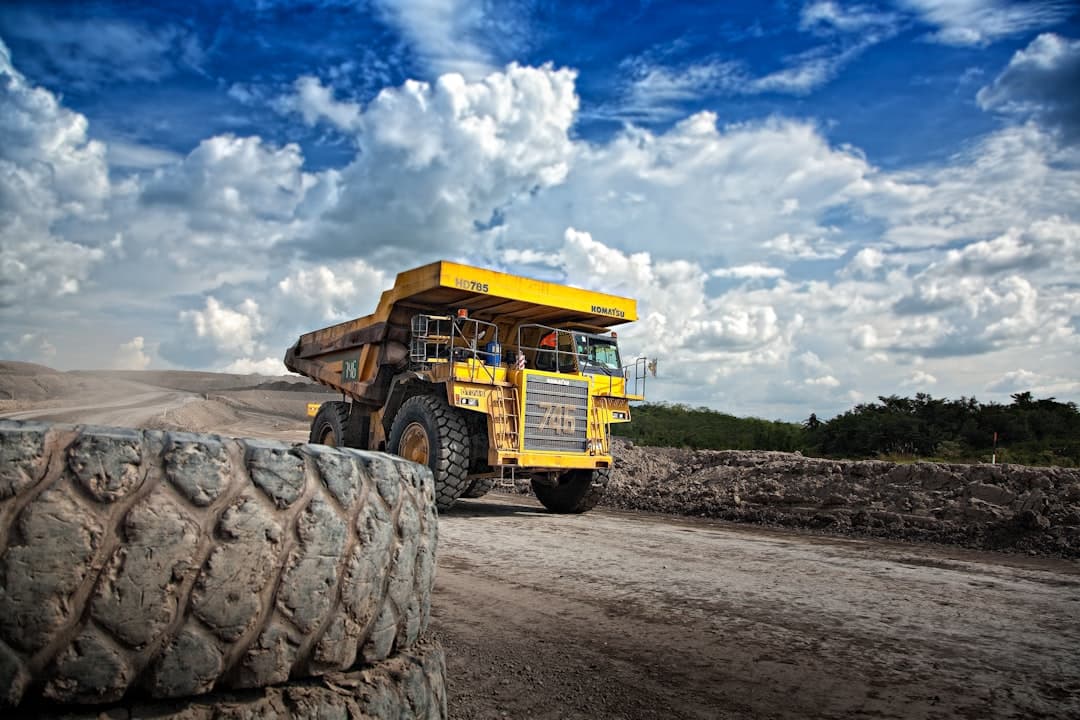
Close collaboration and shared design and development between mining equipment OEMs and autonomous driving tech majors is today the norm in China, allowing OEMs to provide a factory-fitted AHS solution, often in combination with a hybrid or battery electric powertrain, reducing cost and risk in going to market , International Mining reported this week. The RTE156 autonomous electric mining truck, jointly developed by LGMG and Boonray Technology, launched Tuesday as the latest example.
The scale is accelerating. CiDi delivered 630 units of autonomous mining truck solutions in 2025, representing a year-on-year increase of 317%, and as of February 2026, autonomous mining trucks delivered by the company exceeded 1,500 units, with cumulative autonomous driving mileage exceeding 16 million kilometres . Boonray's autonomous solutions are now in use at 30 mining projects across China , tackling diverse ore types and operating conditions.
BYD's $14.4 million investment in Boonray in January signaled confidence in the business model. A fleet of Boonray's 145-tonne autonomous mining trucks at a coal mine in Zhundong, Xinjiang, set an industry record of 200 battery swaps in a single day, with the battery swap station autonomously completing replacement in no more than 5 minutes at a 95.16% success rate . That's 24/7 operation with minimal human presence—exactly what predictive analytics in mining can deliver: reducing unplanned downtime by up to 30-50% and cutting maintenance costs by 18-40% , according to industry analysis.