WTI crude traded at $91.58 per barrel on Friday, down 2.24%, according to market data. Brent settled at $92.84/bbl, losing 3.02%. The Friday losses masked a week of extraordinary volatility—oil shed nearly $10 per barrel between Monday and Thursday before recovering on whispers that a U.S.-Iran peace deal could be signed as early as Sunday in Switzerland.
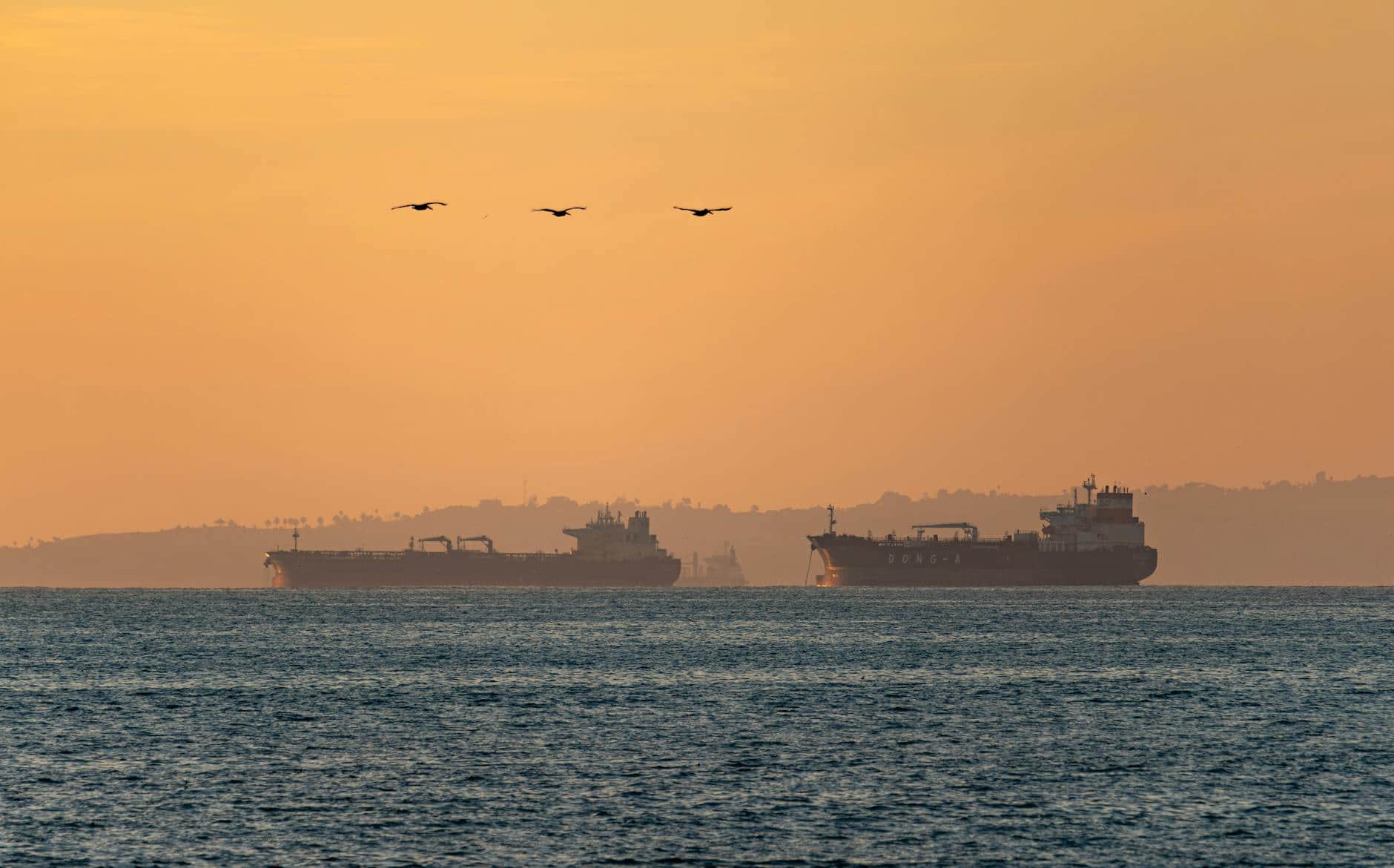
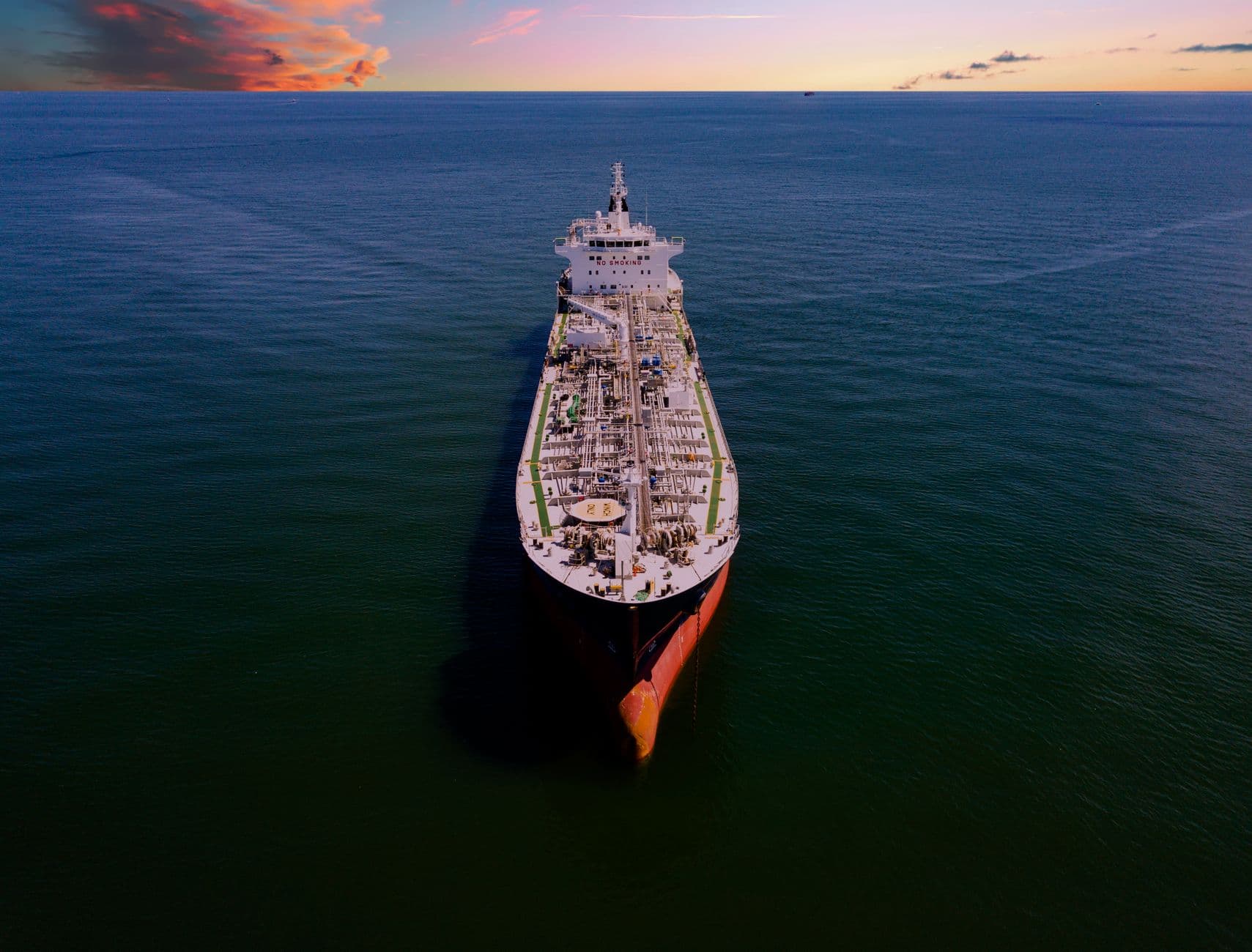
Iranian state media reported Friday that a draft 14-point memorandum includes U.S. commitments to lift oil sanctions and suspend the naval blockade, while Iran would reopen the Strait of Hormuz within 30 days , according to CNBC. Bloomberg later reported the deal could be signed in Switzerland as soon as Sunday , citing people familiar with the plans. About 25% of the world's seaborne oil trade and 20% of global liquefied natural gas passes through the strait —the vital chokepoint that Iran has restricted since early March. Yet the optimism is fragile. CNN determined that between March 23 and June 9, Trump had claimed at least 38 times that a deal was imminent , a reminder that diplomatic theater and actual resolution remain distinct.
Can Markets Price a Deal That Keeps Collapsing?
The week's price action tells the story of a market exhausted by false starts. Goldman Sachs now assumes oil exports from Gulf producers will normalize by late August—versus late June in its prior forecast , reflecting skepticism that any agreement will hold. The bank lowered its 2027 Brent forecast to $80 per barrel, citing a ramp-up in production across major non-OPEC producers and China's accelerating shift to electric vehicles, which Goldman estimates reduced Chinese gasoline consumption by as much as 20% in April .
That structural pessimism sits uneasily alongside the geopolitical premium still embedded in spot prices. If the Strait of Hormuz reopens later than August, Goldman warned, Brent could average over $110 per barrel by year-end; if it remains closed until the end of 2026, Brent could begin 2027 at $140 . The spread between those scenarios—$60 per barrel—captures the market's paralysis. Traders are pricing neither peace nor prolonged war, but the exhausting middle ground where both remain possible.
Meanwhile, the Financial Times reported that trading firm DRW took a $176 million hit on power markets and parted ways with its head electricity and gas trader as winter volatility battered positions . The loss underscores how energy market gyrations are punishing even sophisticated players who misjudge the timing or magnitude of price swings.
What's Norway's Play in All This?
While the Middle East dominates headlines, a quieter lobbying campaign is reshaping Europe's energy future. Norway is pressing the European Union to remove its moratorium on new Arctic oil and gas drilling, with Norwegian politicians, civil servants, and industry representatives increasingly visiting Brussels as the bloc prepares to unveil a new Arctic policy by the end of September , Bloomberg reported.
The blockade of the Strait of Hormuz has given Norway new arguments with which to persuade Brussels to drop the moratorium on new Arctic drilling, as the EU is becoming increasingly dependent on Norway's gas exports . Production from the Norwegian Continental Shelf meets roughly 30% of the EU and UK's gas demand . Norway argues that there are no climate arguments for treating oil and gas produced north and south of a certain line differently , according to Foreign Minister Espen Barth Eide.
The pitch faces stiff resistance. A coalition of asset managers, academics, and climate groups sent an open letter to the European Commission urging the EU to "maintain and reinforce" protections, warning that expanded Arctic drilling risks "irreversible environmental damage" and could lock Europe into fossil fuel dependence beyond the EU's 2050 net-zero target . Financial signatories include Nordea Asset Management and Norway's largest pension company, KLP. An estimate by WWF shows it takes about 18 years from finding an oil and gas field to production start in the Barents Sea —a timeline that undermines Norway's energy security argument for addressing near-term supply crunches.