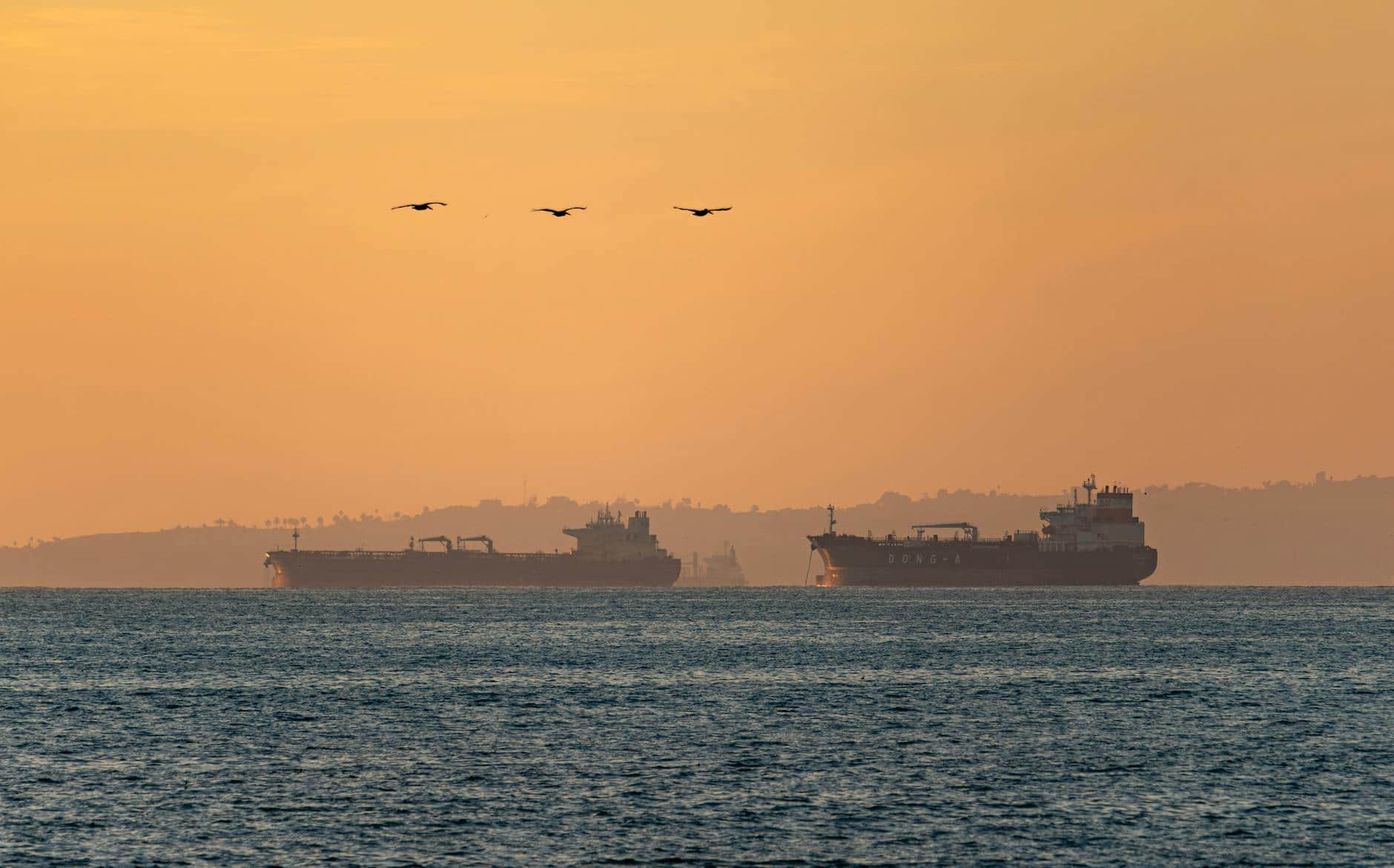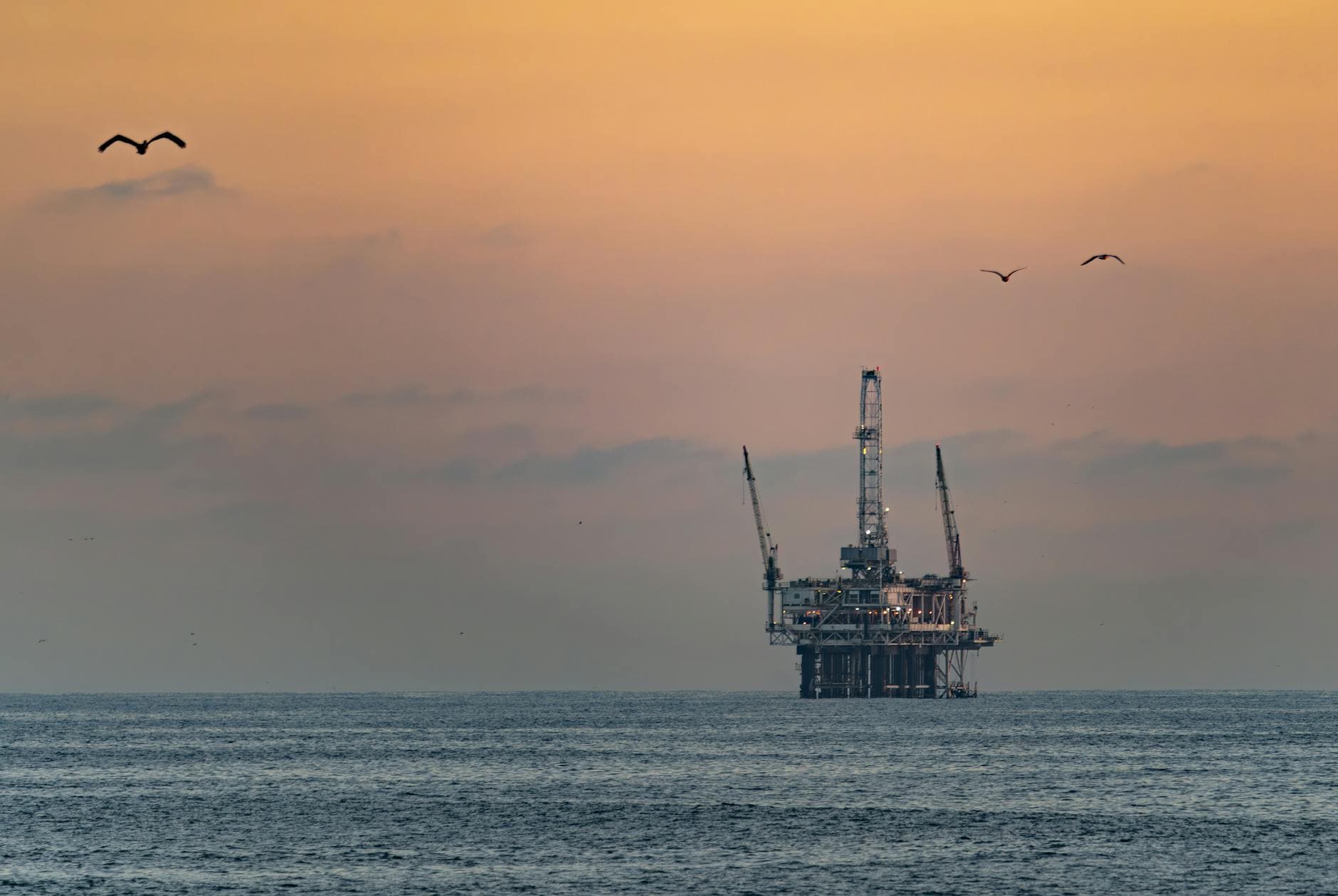
Brent crude lost $7 in a single session Monday, then gained it all back by Tuesday morning. The whiplash came courtesy of President Trump, who announced over the Memorial Day weekend that a deal to reopen the Strait of Hormuz was "largely negotiated"—only to authorize U.S. strikes on Iranian missile sites hours later, MarketWatch reported. Oil traders, already exhausted by three months of volatility, are now pricing in a reality few anticipated: crude above $100 per barrel may be the new normal for years, not months.
According to market data, Brent traded at $106.90 per barrel as of Monday morning—well above the $98 levels seen earlier in the week, but still 50% higher than a year ago. The gap between Trump's optimistic rhetoric and the Pentagon's actions has left the market in limbo. Axios reported that the proposed framework would extend the ceasefire for 60 days, during which Iran would clear mines from Hormuz and the U.S. would lift its blockade. But Iran's Fars News Agency disputed Trump's characterization, saying the strait would "remain under Iran's management," according to NPR.
Can the Market Function Without Certainty?
The uncertainty is doing more damage than the blockade itself. Barclays kept its $100 per barrel Brent forecast for 2026 but warned that risks are "skewed to the upside" as global inventories drain to multi-year lows, Reuters reported. The investment bank estimates the market is running a deficit of 6 to 8 million barrels per day, with U.S. inventories approaching their lowest levels since 2020. Even if Hormuz reopened tomorrow, inventories would start 20 million barrels below recent tights, according to Barclays.
Goldman Sachs went further. Since early May, global inventory draws have been running at 8.7 million barrels per day—the highest ever recorded, the bank's analysts told clients. The U.S. Energy Information Administration projects that global oil inventories will fall by an average of 8.5 million barrels per day in the second quarter of 2026, keeping Brent around $106 per barrel in May and June. But the EIA's forecast assumes Hormuz remains "effectively closed until late May," with shipping traffic picking up in June—a timeline that now looks optimistic.
A Bloomberg Intelligence survey of asset managers found that most expect Brent to average between $81 and $100 per barrel over the next 12 months, with nearly two-thirds seeing a lasting risk premium of $5 to $15 per barrel for years to come. The survey identified "demand destruction" as the most likely mechanism to rebalance the market, followed by rerouted trade flows and OPEC+ policy adjustments. Translation: prices stay high until consumers stop buying.
Who Wins When the Gulf Can't Deliver?
Australia does. While the world fixates on Hormuz, Australia's LNG sector is quietly cementing its role as the most reliable supplier to Asia. Santos, the country's second-largest oil and gas producer, announced a strategic refocus on LNG and oil growth across three regions: Australia, Papua New Guinea, and Alaska, Reuters reported. The company's Barossa LNG project began ramping production in the second quarter of 2026, with first gas achieved ahead of schedule, according to Santos' first-quarter report.
Santos CEO told investors that the company's "portfolio of high-quality LNG assets, located close to Asian markets, is well positioned to meet strong and growing LNG demand." That proximity matters more than ever. Santos can deliver LNG to major Asian markets within seven days, compared to 14 to 21 days from Qatar or North America—a competitive edge that reduces both shipping costs and carbon emissions.
The timing couldn't be better. A threatened strike at Inpex's Ichthys LNG facility—one of Australia's largest—was averted Monday after the Offshore Alliance union reported progress on pay and working conditions negotiations, OilPrice.com reported. The strike would have disrupted supplies to Japan, Australia's biggest LNG customer, at a moment when Tokyo is already scrambling to secure energy amid the Hormuz crisis. Australia now accounts for more than 80% of its gas production going to LNG exports, up from just 34% in the early 2000s, according to Market Forces.