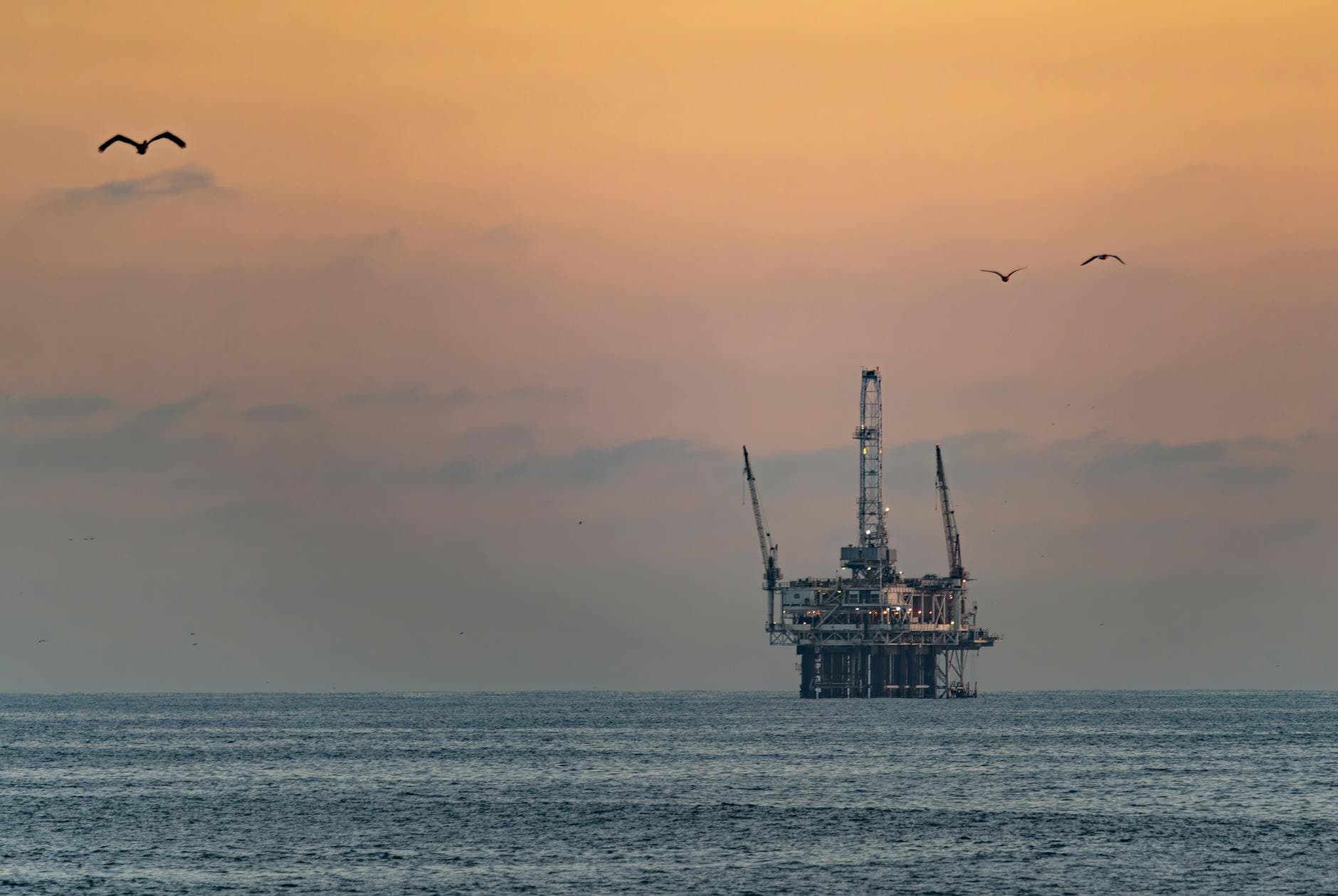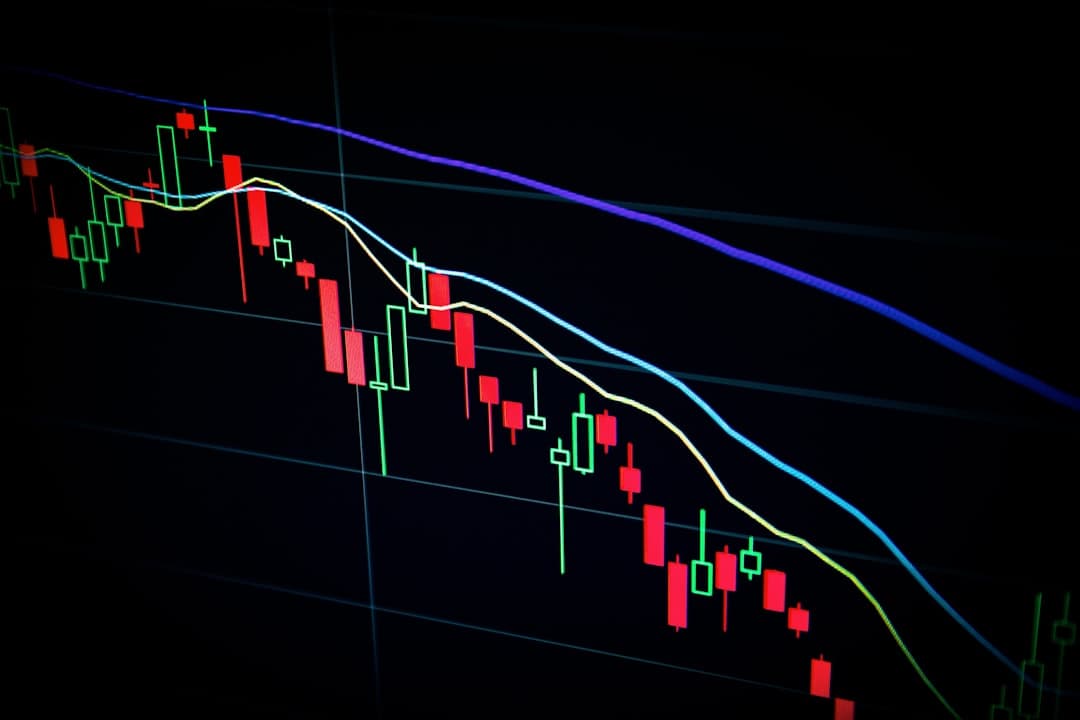
Petroleum futures traded at $108.83 per barrel Monday afternoon. Then Trump announced he'd paused a planned strike on Iran, and the price shed more than $2 in minutes , according to NPR. By day's end, crude settled at $107.25 —still nearly 50% above where it stood before the war began in late February. The whipsaw captured the market's new reality: every Trump tweet moves billions of barrels.
Trump said he canceled strikes planned for Tuesday after Gulf allies—Qatar, Saudi Arabia, and the UAE—requested more time for negotiations , Time reported. He told reporters he'd instructed the military "to be prepared to go forward with a full, large scale assault of Iran, on a moment's notice" if talks fail. The president has repeatedly set deadlines for Tehran and then backed off , NPR noted. This marks at least the third such reversal since hostilities began.
Yet the diplomatic theater obscures a grimmer picture on the ground. At least 39 tankers laden with Iranian oil are currently trapped inside the Persian Gulf, west of the Strait of Hormuz , according to United Against Nuclear Iran tracking data from May 13. Since March, marine traffic through the strait has collapsed from 138 vessels daily to near zero since May 6 . Iran is turning to floating storage because it has nowhere else to put the crude.
Can India Keep Absorbing the Pain?
India's state refiners raised fuel prices by $0.031 per liter in mid-May—the first increase in four years , Bloomberg reported. Days later, they hiked prices again by roughly one-third of the initial increase , according to OilPrice.com. The moves barely scratch the surface. State oil companies are still absorbing losses estimated at ₹1,000-1,200 crore daily, with under-recoveries of around ₹26 per liter for petrol and up to ₹82 per liter for diesel .
India is the world's third-largest oil importer, with 90% of the oil it consumes coming from overseas, and about half of its usual crude supplies transiting the Strait of Hormuz , Al Jazeera reported. The Indian crude basket averaged $115 per barrel in April and $106 in May 2026 —a brutal spike for a country that imports nearly everything it burns.
Prime Minister Narendra Modi urged Indians to work from home, limit foreign travel, and reduce gold purchases, describing fuel conservation as an act of "patriotism" . Opposition leaders noted the appeal came after state elections concluded and fuel prices were kept unchanged during the campaign . Politics and petroleum rarely separate cleanly.
The U.S. offered India a lifeline—sort of. Treasury Secretary Scott Bessent announced another 30-day extension of a sanctions waiver allowing purchases of Russian seaborne oil, reversing earlier plans not to grant an extension , Reuters reported. The waiver allows temporary access to Russian oil and petroleum products stranded on tankers . Indian imports of Russian crude hit 2.3 million barrels daily earlier this month—an all-time high , according to Kpler data cited by IndexBox.
Will Putin Finally Get His Pipeline?
Timing is everything. Vladimir Putin traveled to Beijing on Tuesday for talks with Xi Jinping in his first foreign visit of the year, with the war in Iran offering an opportunity for Russia to deepen energy links with China , Bloomberg reported. The centerpiece: Power of Siberia 2, a gas pipeline that's been stuck in negotiations for years.
Russia hopes turmoil in global energy markets caused by the conflict in the Middle East will encourage China to show greater flexibility in negotiations over gas pricing , according to people close to the Russian government cited by Yahoo News. The pipeline aims to deliver 50 billion cubic meters of natural gas annually to northern China . Most importantly, it will carry gas from the Yamal fields, previously a key supply region for Europe, especially Germany .
China has been dragging its feet. China previously asked to pay close to Russia's domestic prices, which are heavily subsidized , according to CSIS analysis. In March, following the outbreak of war in Iran, China stated it intended to make progress on the Russian gas pipeline project as part of its five-year plan . Desperation concentrates the mind. In the face of renewed conflict around the Strait of Hormuz, where many of China's LNG shipments transit, and a trade war with Washington, Russian pipeline gas looks more secure than maritime routes , RFE/RL reported.
The irony cuts both ways. Australia—the world's second-largest LNG exporter—suddenly finds itself with eager customers. Australia is seeking to leverage its vast LNG exports to Asia to secure fuel supplies in return, with Resources Minister Madeleine King and Foreign Minister Penny Wong engaging with leaders from South Korea, Malaysia, Singapore and Japan , Bloomberg reported in March. One executive's assessment was blunt: "This is the first time within Asia where there is a shortage, and it makes me think long-term it's a positive for Australia" , Bryan Sheffield of Formentera Partners said at an industry event.