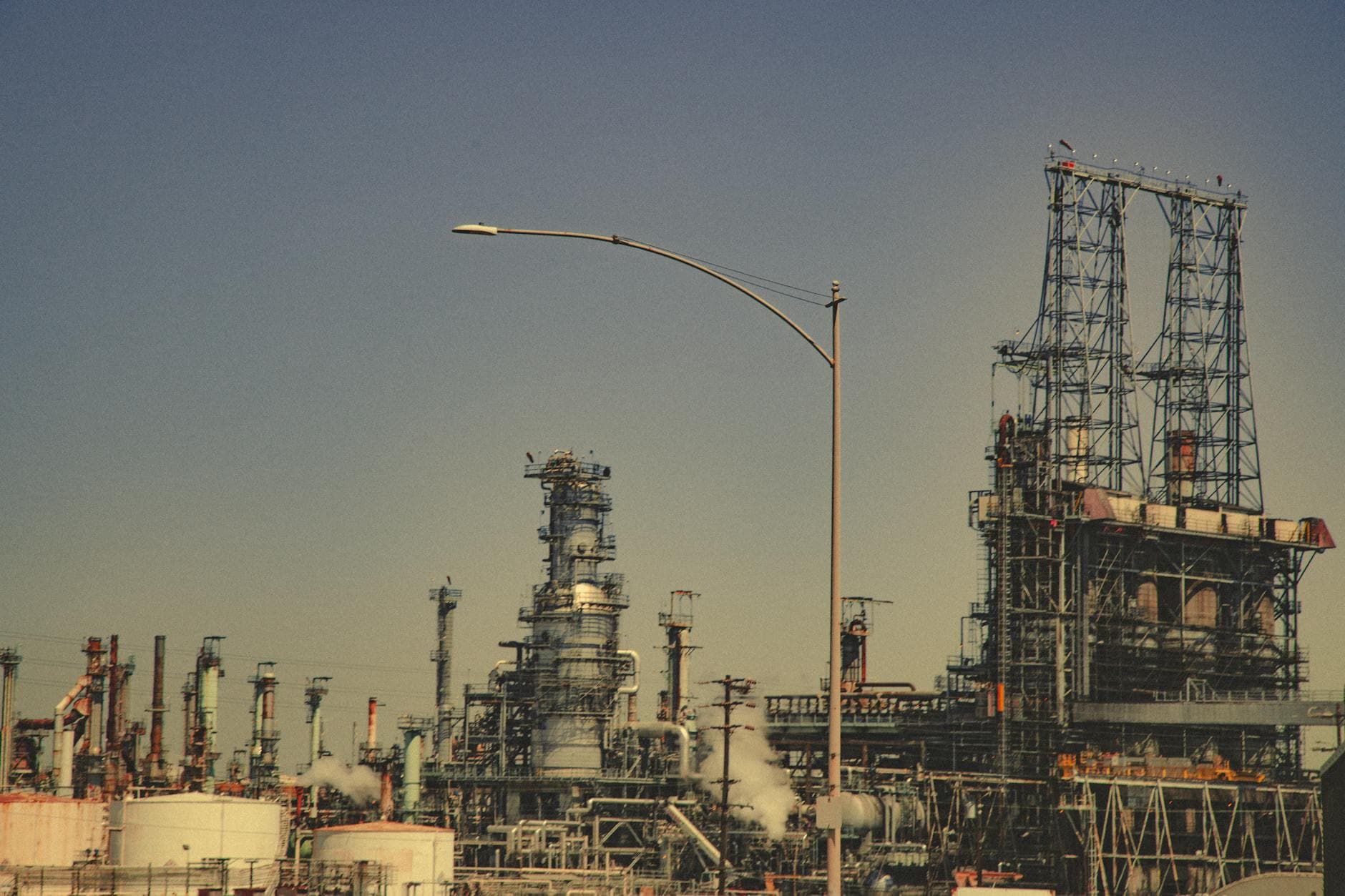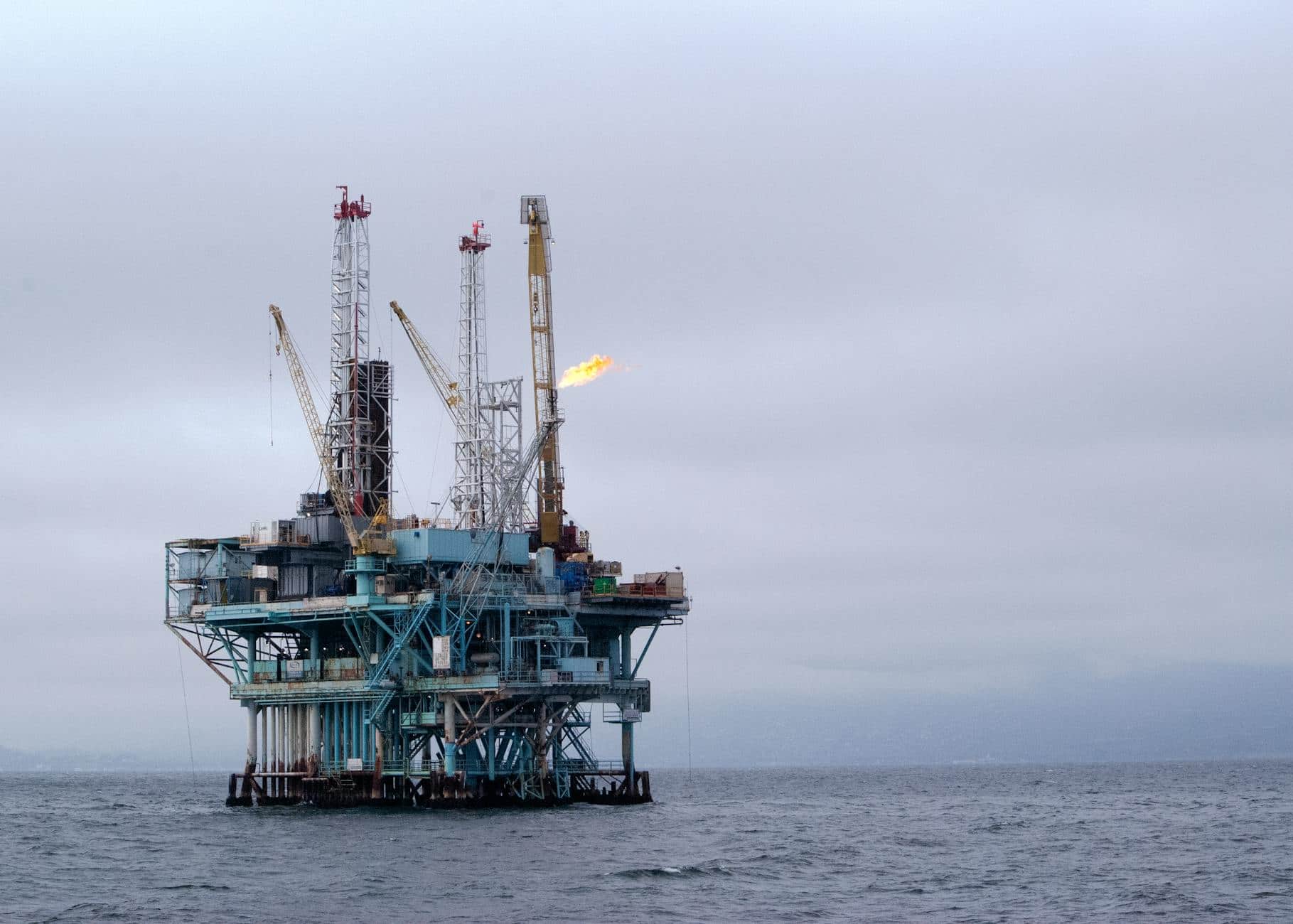
ExxonMobil has committed to storing more than 14 million tons of CO2 per year -- far more than any other company, according to the oil giant. The company is assembling what it calls the world's first large-scale system for carbon capture and storage, a network of pipelines and storage sites stretching across Texas, Louisiana and Mississippi. Three new projects are slated to come online in 2026 alone. But as the Financial Times reported this week, the backlash on the US Gulf Coast threatens those ambitions.
The stakes are enormous. Exxon estimates its Gulf Coast network can ultimately remove up to 100 million tons of captured CO2 -- more than seven times what it has currently committed to. That would make it the backbone of America's carbon capture industry. The company is even planning to use CCS to help make low-carbon electricity for data centers -- a first-of-its-kind plan targeting a final investment decision by late 2026, per company statements. Federal tax credits sweeten the deal: developers earn $85 per metric ton of carbon dioxide stored.
Yet in Louisiana parishes where injection wells are proposed, town halls have turned contentious. Kaitlyn Joshua, Gulf Coast campaigner for Earthworks, told local media that "carbon capture and storage does not work. It's never worked anywhere to scale anywhere in the world." Residents cite proximity to schools, potential CO2 leaks, and a history of industrial harm. Louisiana Governor Jeff Landry, a Republican, imposed a moratorium on new carbon capture project applications after outcry from rural, largely conservative communities -- angering business owners with billions at stake.
As of November 2025, at least 65 carbon capture and storage projects have been proposed in Louisiana , according to the Environmental Integrity Project. The opposition isn't limited to environmental groups. Landowners worry about eminent domain for pipelines. A 2020 carbon dioxide pipeline rupture in Satartia, Mississippi, put neighboring Louisiana communities on high alert.
Can India Rewire Its Oil Supply in Real Time?
While the Gulf Coast debates its energy future, India is rewriting its present. Indian refiners turned to imports from Latin America and Africa after supplies from the Middle East were disrupted as the Israeli-US war on Iran restricted shipping in the Strait of Hormuz , Reuters reported Sunday. The world's third-largest oil importer bought most of its crude from the nearby Middle East until the war broke out in late February.
In April and May, Indian refiners raised imports from Venezuela, Brazil, Angola and Nigeria to make up the shortfall , according to preliminary data from Kpler. The shift is dramatic. Brazil became the fourth-largest supplier, while Venezuela ranked fifth. Venezuela is on course to become the fourth-largest supplier in May.
Overall, India imported 4.57 million barrels per day of oil in April, unchanged from March, but down 15.5% from a year earlier. Russia remained the top supplier, though the share of Russian oil declined to about 35% from nearly 50% as one major refinery shut for maintenance. The UAE and Saudi Arabia are the only Gulf producers with pipelines that export crude bypassing the Strait of Hormuz -- a geographic advantage that has kept some Middle Eastern barrels flowing.
The speed of the pivot is striking. Tanker routes that took decades to establish are being redrawn in weeks. India's refiners are proving more nimble than the geopolitical maps suggest -- but they're paying for it. Longer shipping distances from Latin America and West Africa mean higher freight costs and longer lead times, even as domestic fuel prices climb.
What Happens When Australia Picks Sides?
Australia released draft rules Monday for its new liquefied natural gas export policy, and the industry is furious. The government's Domestic Supply Obligation rule will operate from July 2027 and require a 20% domestic reservation, applying only to contracts or extensions signed after December 22 last year , Reuters reported. But export contracts signed on or before December 22, 2025, will be "respected" only if projects prove they cannot meet the 20% obligation without breaching those deals , according to Bloomberg.
A spokesperson for industry lobby Australian Energy Producers said the draft imposed "complex and opaque compliance" requirements that would ultimately undermine trust from major Asian trade partners. The timing is awkward. Australia is currently the world's second-largest LNG exporter, particularly after supply from Qatar declined following the Middle East conflict , according to Bloomberg data.
MST Marquee analyst Saul Kavonic said the Santos-operated Gladstone LNG plant in Queensland would be the worst hit, noting "the policy clearly has GLNG in its crosshairs." All of Gladstone's gas is contracted for export. Shell Australia chairperson Cecile Wake said the policy could lead to oversupply that would push down prices and ultimately discourage investment in new gas exploration.
The policy aims to prevent gas shortfalls on Australia's populous east coast, where reserves are declining. But BloombergNEF analyst Sahaj Sood doubted whether supply from operational hubs could quickly reach southern Australia during high demand periods, due to limited pipeline capacity. Geography is destiny: Australia's ten export terminals sit in the west and north, while demand concentrates in the southeast.