Wednesday, June 17, 2026Vol. III · No. 168Subscribe
The Mining, Energy & Technology Wire
Oil & Gas · Analysis

Oil Drops, Gas Flows, and a Strike Lingers

Oil prices tumbled to three-month lows as the US-Iran ceasefire eased Hormuz tensions, but Australian LNG strikes and a looming El Niño threaten to keep energy markets volatile through summer.

Oil Drops, Gas Flows, and a Strike Lingers
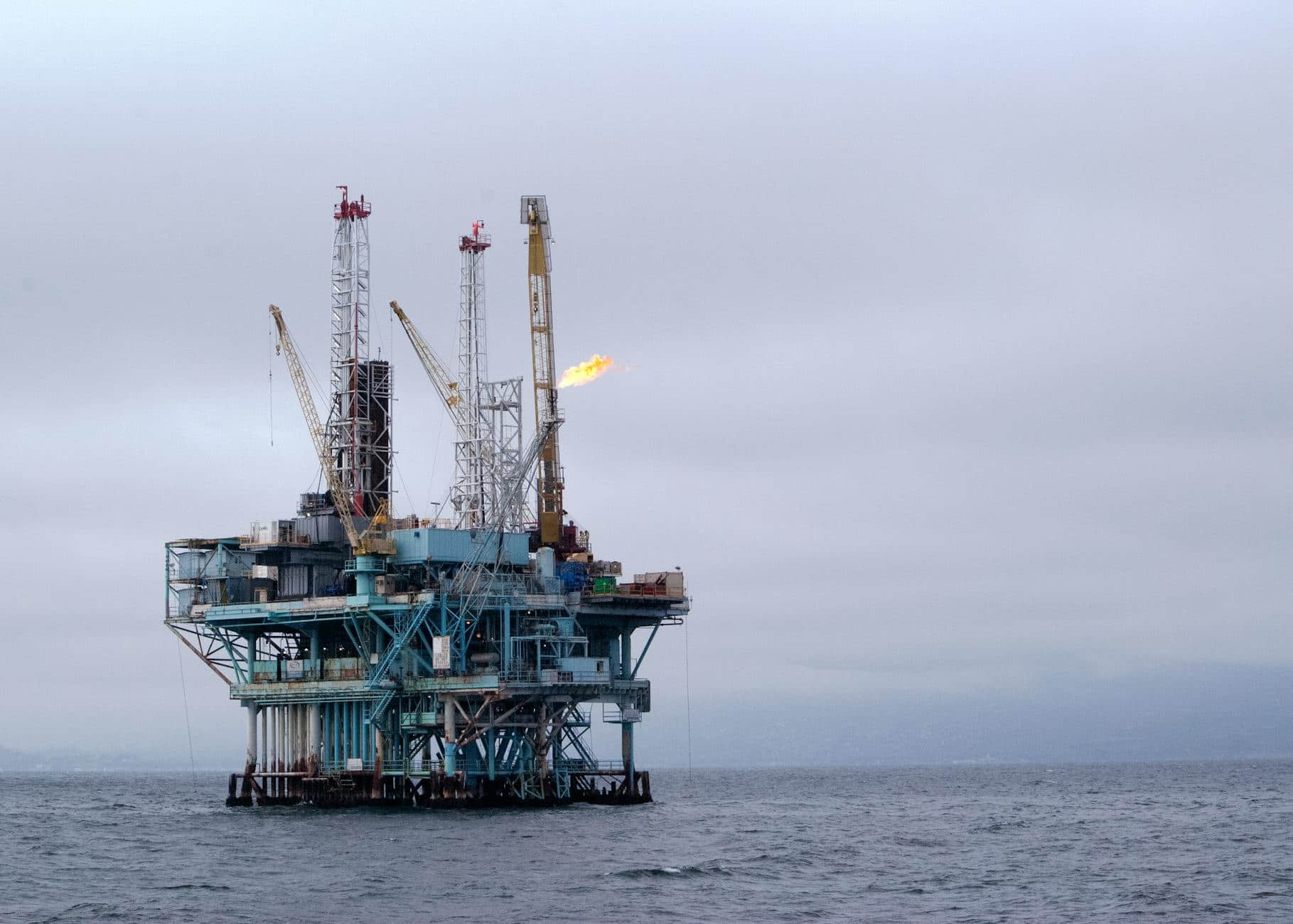
PhotographOil prices tumbled to three-month lows as the US-Iran ceasefire eased Hormuz tensions, but Australian LNG strikes and a looming El Niño threaten to keep energy markets volatile through summer.

Brent crude traded at $75.20/bbl per barrel on Monday, down +0.51%, according to market data -- the lowest level since mid-March. The reason? A 60-day ceasefire extension between the US and Iran that traders are betting will finally reopen the Strait of Hormuz to normal shipping. After nearly four months of disruption that choked off roughly 20% of the world's oil and LNG supply, the prospect of Persian Gulf barrels returning to market has drained the risk premium from crude futures faster than most analysts expected.

Goldman Sachs moved quickly to adjust its forecasts. The bank lowered its Brent crude price forecast for Q4 2026 from $90 per barrel to $80 per barrel and reduced its full-year 2027 average Brent price forecast from $80 to $75 per barrel , according to a report released Tuesday. Goldman now assumes that Persian Gulf exports will return to pre-conflict levels by the end of July -- approximately one month earlier than its previous forecast of late August . The revision reflects what the bank calls a reduction in the geopolitical risk premium, though Goldman warned that risks remain skewed to the upside if the ceasefire collapses.

But while oil traders exhale, natural gas markets face a different set of pressures -- ones that won't be solved by diplomacy alone.

Can Australia Keep the Gas Flowing?

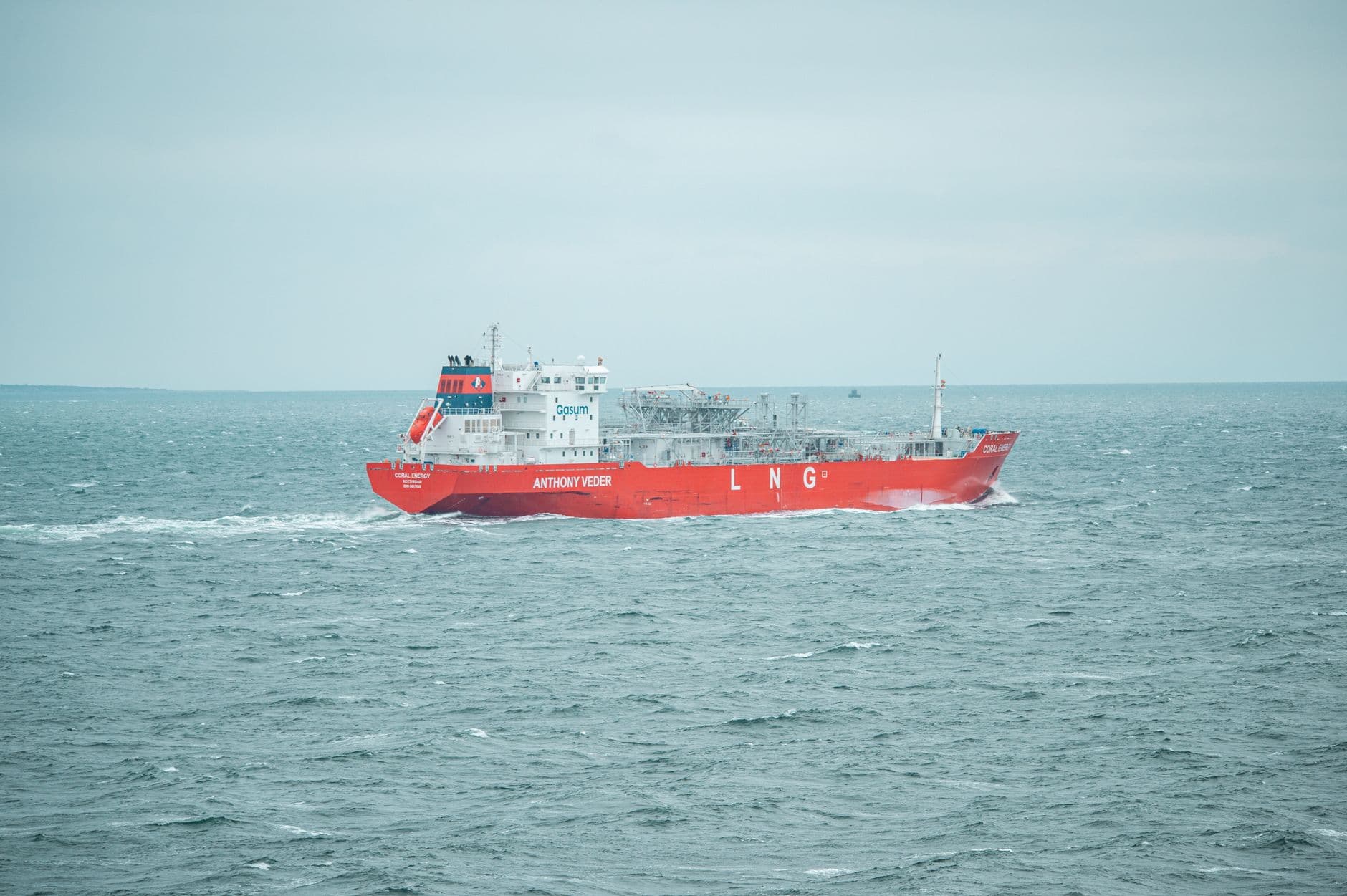
Japan's Inpex Corp. expects industrial action will disrupt output at its liquefied natural gas export plant in Australia, with a senior vice president warning that "we anticipate imminent disruption to production at both onshore and offshore Ichthys LNG facilities" , Bloomberg reported Monday. The strike at the 9.3-million-ton-per-year facility will now run until June 23 with a ban on the loading of all cargoes , after an Australian labor tribunal rejected Inpex's attempt to halt the action.

The timing could hardly be worse. LNG supply is down about a fifth after Qatar halted production, while the Strait of Hormuz remains largely closed , the Japan Times noted. Ichthys accounts for about 10 per cent of LNG supply from Australia, the world's second-largest LNG exporter . The strike, which began in early June over pay and job security, has already forced two condensate cargoes to miss loading. Australia's Offshore Alliance said Monday it will notify Inpex of its plans to extend industrial action beyond June 23, attributing the strike extensions plan to "intransigent" conduct by Inpex's industrial relations manager .

The disruption adds another variable to an already fragile global gas market. With Hormuz flows still uncertain and Qatar's recovery lagging, any prolonged outage at Ichthys tightens the screw on Asian LNG buyers who are already paying elevated prices.

What's the Weather Going to Do?

Then there's El Niño. New forecasts from the National Oceanic and Atmospheric Administration and the European Center for Medium-Range Weather forecasts showed odds increasing for a so-called "super El Niño" emerging this year, which could bring with it extremely hot temperatures across parts of the United States that could persist in 2027 , Natural Gas Intel reported in early May. Summer forecasts are pointing to higher-than-normal temperatures across Asia, while an El Niño weather pattern could make things even hotter, boosting air-conditioning use and straining power grids when energy prices are already elevated , Bloomberg noted.

The key risk is China. The heat could trigger stronger demand in China, the world's No. 1 liquefied natural gas buyer . If that happens, Asian buyers will compete more aggressively for cargoes at a time when Australian supply is constrained and Middle Eastern flows are still recovering. Natural Gas Intel described the developing El Niño as "a very big deal" for traders, and it's not hard to see why: a sustained spike in cooling demand could push spot LNG prices higher just as the market was hoping for relief.

Meanwhile, in the US, there's finally some good news for Permian producers. Natural gas has begun moving through two new metered interconnects on Kinder Morgan's Gulf Coast Express (GCX) pipeline near South Texas' Agua Dulce hub, the clearest sign yet that the 570 MMcf/d expansion is starting up on schedule and easing a glutted Permian Basin , Natural Gas Intel reported Monday. Cash prices at Waha improved to -$0.37/MMBtu as of June 5, supported by the onset of higher summer demand and the startup of the GCX expansion . That's a dramatic improvement from the -$5.69/MMBtu lows seen in early May, when producers were effectively paying buyers to take their gas.

Will Syria Become the Next Gas Frontier?

One story that slipped under the radar this week: ConocoPhillips is set to finalize a contract with Syria to restart gas production, marking a significant move as it becomes the first major U.S. oil and gas company to partner with the new Syrian government, with the agreement alongside Novaterra Energy aiming to develop current gas fields and explore new opportunities , the Financial Times reported Monday. The Syrian government anticipates that this collaboration could boost gas output by 4 million to 5 million cubic meters per day within a year -- a notable recovery for a country where production collapsed during the civil war.

The deal, expected to be signed this week, follows a preliminary memorandum of understanding signed in November. Before the civil war broke out in 2011, Syria was producing 30 million cu m of gas daily , OilPrice.com noted. ConocoPhillips isn't alone: TotalEnergies, QatarEnergy, and Chevron have all signed agreements with Damascus in recent months as the country opens its energy sector to foreign investment.

Elsewhere, Canada is pushing ahead with plans for a new West Coast oil pipeline that could ship up to 1 million barrels per day to Asia. An Implementation Agreement finalized in May 2026 establishes a framework that sets out a path for construction of a new oil pipeline to Canada's west coast with potential construction commencing as early as September 1, 2027 , according to Alberta's government. The project, provisionally named the West Coast Oil Pipeline, would reduce Canada's reliance on US markets and capitalize on surging Asian demand for non-Middle Eastern crude. The 890,000-barrel-per-day Trans Mountain pipeline, which carries oil from Alberta to British Columbia's west coast, is at apportionment for June, with uncertainty in global crude markets and the disruption to the Strait of Hormuz increasing demand for Canadian oil from Asian markets , BOE Report noted.

What Changed This Week

The US-Iran ceasefire extension drained the war premium from oil prices, sending Brent to its lowest level since March and prompting Goldman Sachs to slash its second-half forecasts by $10 per barrel. But the relief may be temporary: Australian LNG workers extended their strike at Inpex's Ichthys facility, and forecasters are raising the odds of a super El Niño that could spike cooling demand across Asia. In the US, Kinder Morgan's Gulf Coast Express expansion finally came online, offering Permian producers their first meaningful price relief in months.

What to Watch

The US-Iran ceasefire memorandum of understanding is set to be signed on June 19, according to mediators. That will be the first test of whether Hormuz flows can actually normalize by late July, as Goldman Sachs now assumes. Watch for any delays or renewed tensions -- Goldman warned that if the strait remains mostly shut for another month, Brent could average $120 in Q3. On the gas side, the Inpex strike is scheduled to run through June 23, but the Offshore Alliance has already signaled plans to extend it. Any production shutdown lasting more than a week would miss four LNG cargoes, tightening an already constrained market. Finally, Alberta's government is due to submit its West Coast pipeline proposal to Canada's Major Projects Office by July 1, kicking off what could be a years-long approval process.

Original reporting and analysis by the Stake & Paper editorial team. See linked sources within the article.

Share this story

More from Stake & Paper

Was this article helpful?

ClaimWatch

Mining claims intelligence — from query to report, in minutes.

Every unpatented mining claim across all twelve BLM states. Leadfile audits, due diligence, site selection, regional prospecting, entity investigations, and AOI monitoring — delivered as complete report packages.

4.4M+
Claims Tracked
12
BLM States
7
Report Types
Request a Sample Report
Stake & Paper AM

One morning brief. The whole energy sector.

Original analysis, the day's most important wire stories, and market data — delivered before your first cup of coffee. Free.