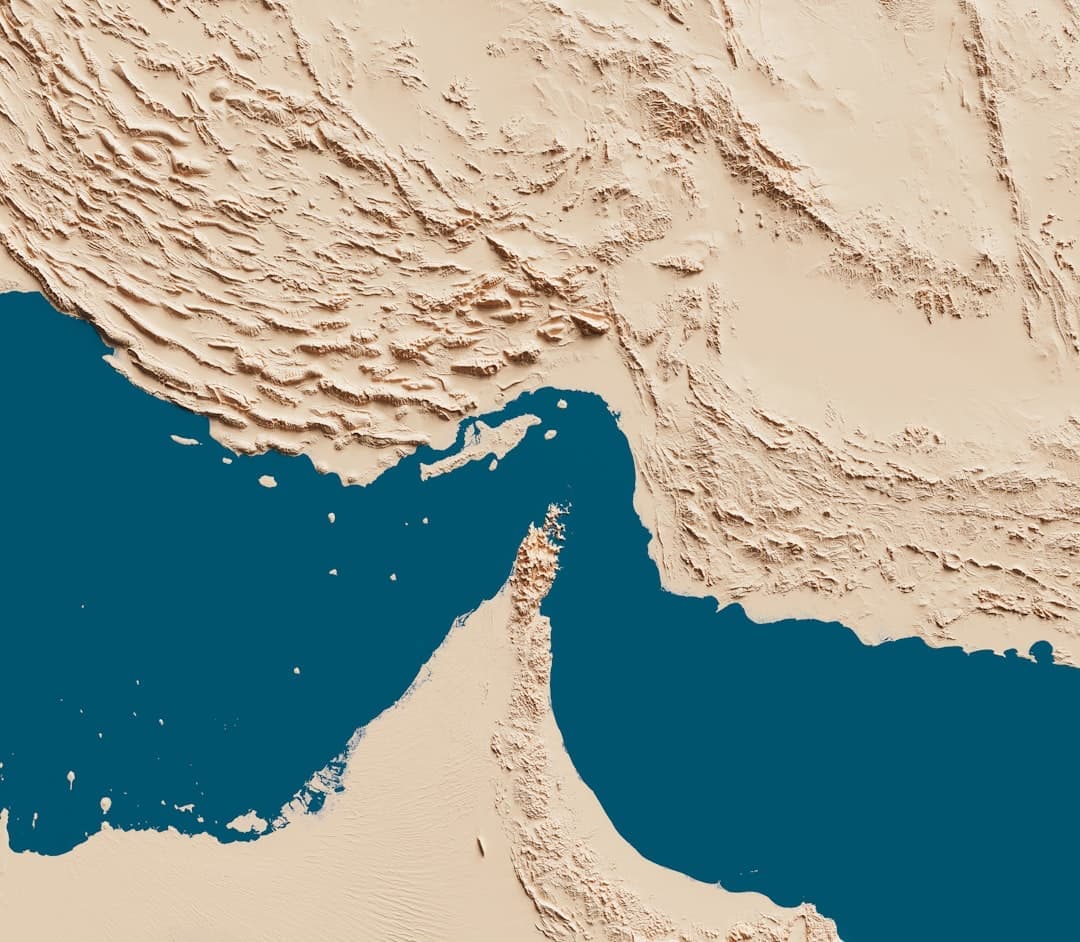
Four trillion cubic feet of gas, three foreign flags, one signing ceremony in Caracas. That is what changed hands this week while the world watched the Strait of Hormuz.
BP struck a deal to operate the offshore Loran field on Venezuela's Deltana Platform, bringing in Abu Dhabi's XRG and Qatar's UCC as equal partners — the first time either Gulf company has set foot in the country, according to Bloomberg. The agreement, signed in Caracas on Thursday, gives BP the operatorship while the deal gives the company operatorship of Loran phase two, an offshore gas project holding more than four trillion cubic feet of proven gas resources, with Abu Dhabi's XRG, Qatar's UCC Oil and Gas Holding taking equal stakes beside it. That is a lot of gas to move quietly. It is also the clearest sign yet that Venezuela's reopening — not the Hormuz standoff — is the story that will actually reshape global energy balances over the next two years.
Markets are pricing the wrong fire. September WTI futures moved -1.67% to settle at $81.20 a barrel Thursday, and Brent moved -1.60% to $86.96/bbl, both still carrying a war premium after Washington's threat of an open-ended blockade of Iran. OilPrice.com noted crude had rebuilt its Hormuz premium after a bad week for deal optimism, even without any fresh supply loss. That premium sits on a fault line. Twelve hundred miles west, a country holding the largest proven oil reserves on the planet is being reassembled by the same government that is threatening to close the world's most important choke point.
Gulf capital finds a new home
The Loran deal is not a one-off. Chevron has raised Venezuelan output to about 280,000 bpd under a US license as BP, Eni, Shell and Repsol follow, and Trump has taken personal credit, telling reporters this month the company was "back, far bigger and stronger than ever before," according to Rio Times Online. That output figure is up sharply: Chevron's Venezuelan joint ventures with PDVSA reached about 280,000 barrels per day in the first half of 2026, roughly 15% more than the prior six months, and the company has told investors it wants more by 2028.
The Gulf money matters because it signals something Washington's own oil majors have been reluctant to say out loud. Exxon's Darren Woods called Venezuela "uninvestable" under its current system in January, per CNBC — a fair complaint given the country's history of nationalizing foreign assets twice against Exxon alone. XRG and UCC are betting the calculus has changed. XRG's president of international gas, Mohamed Al Aryani, framed the move as pursuing "advantaged resources with access to established infrastructure and clear routes to market," language that reads less like charity and more like a company that has done the math on stranded Atlantic Basin gas and decided the political risk is now worth carrying.
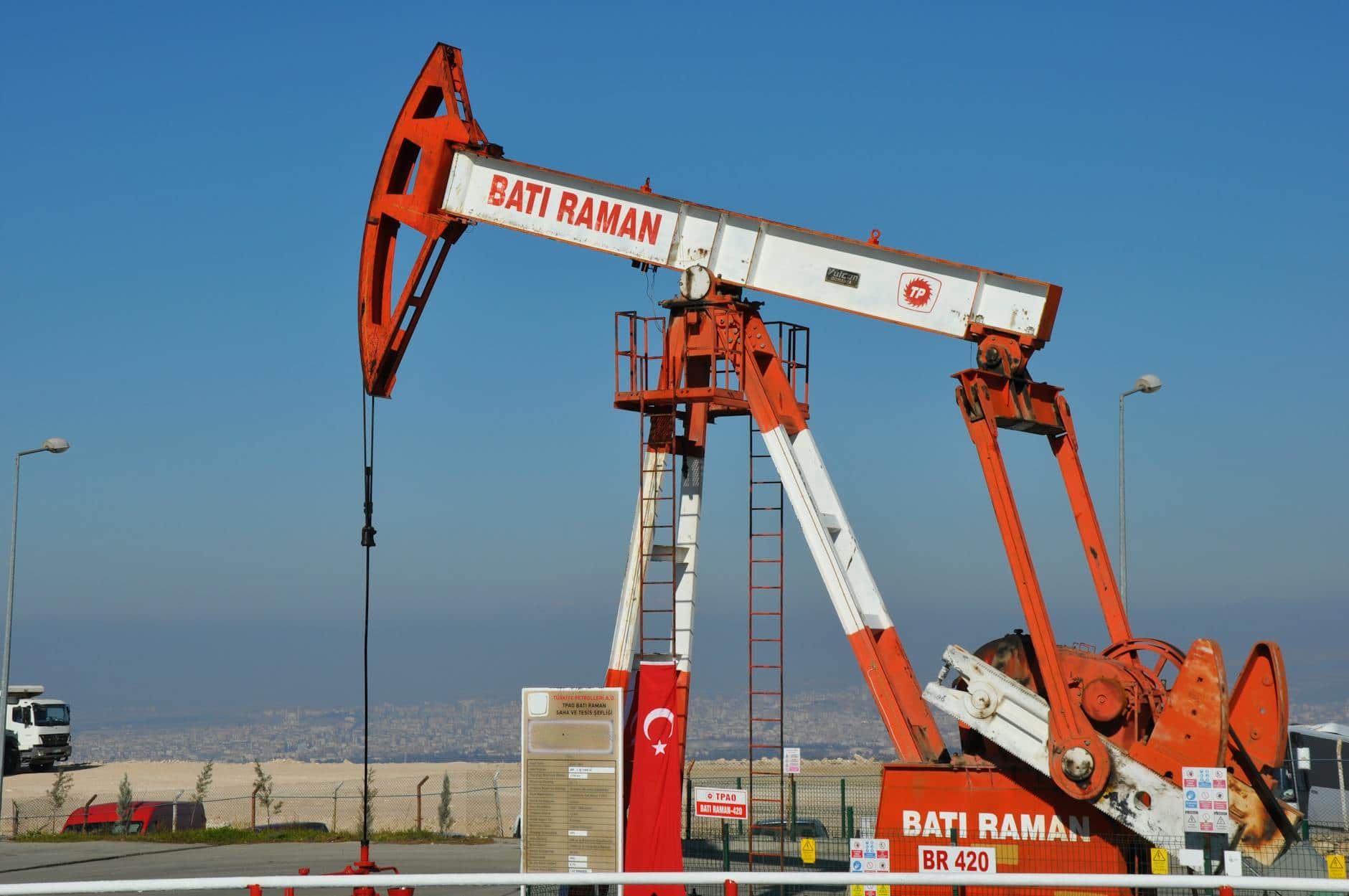
The scale of what is being unlocked is genuinely large. Venezuela holds the largest proven oil reserves of any country in the world, an estimated 303 billion barrels, yet has experienced one of the most catastrophic production collapses in the history of the oil industry, now sustaining only a fraction of the more than 3.5 million barrels a day it once produced. Even a partial recovery moves the needle. PDVSA's own chief executive has said the state company wants to boost oil production by 18 percent this year through reforms that fully open the sector to private investors. The Council on Foreign Relations estimates that reversing US sanctions and restoring joint ventures with the majors could add around 500,000 barrels a day to Venezuela's output, bringing production to something like 1.5 million barrels a day — a number that would make Venezuela a swing producer again for the first time this century.
The fragility clause
None of this is guaranteed, and the honest counter-argument is that Venezuela has broken this promise before. The larger questions are political: US licenses remain revocable, the status of the post-Maduro government is still unsettled, and the destination of oil revenue is unresolved, and any of these could accelerate or halt the reopening with little warning. Licenses have already been yanked once this year — Washington revoked Shell, BP and Chevron's earlier Venezuela permits in a sanctions tightening before reversing course again. And the devastating June 24 earthquakes, which killed more than 6,300 people, prompted a halt in the granting of these licenses before the process resumed only this week. A country this fragile does not offer investors a straight line.
But that fragility is exactly why the Gulf entry matters more than another Chevron production update. XRG and UCC are not distressed-asset hunters; they are sovereign-backed platforms making long-horizon bets on Atlantic Basin gas infrastructure, and their arrival argues that the reopening has crossed some threshold of durability that Exxon, for one, still doubts.
Energy equities have already priced in a friendlier supply picture than crude itself suggests. The Energy Select SPDR has climbed from $43.60 in July 2025 to $61.06 now, a gain of over 40 percent even as WTI and Brent both slipped Thursday, according to market data. Investors, it seems, are betting less on this week's tanker headlines and more on the slower unwinding of two decades of sanctions — one signing ceremony, one license, one Gulf sovereign fund at a time. Hormuz can close a door overnight. Venezuela is prying one back open, board by board, and Wall Street is starting to notice which door will still be swinging next year.