China was importing 11 million barrels of oil per day before the war. In April, that fell to 9.3 million. May and June are expected to hit 6.5 million. That 4.5-million-barrel drop is the single biggest reason $99.76/bbl and $101.69/bbl aren't trading north of $120 right now, according to market data. "If Chinese imports had stayed at prewar levels, oil prices would almost certainly be significantly higher today," says Salih Yilmaz, a senior oil analyst at Bloomberg Intelligence, calling China "probably one of the single biggest reasons oil prices didn't spike much higher during the Hormuz disruption."
"China's inventory system is very opaque," Yilmaz notes. Analysts track visible tanks and tanker flows, but the country's massive underground Strategic Petroleum Reserve and other stockpiles are much harder to observe. Beijing spent years stockpiling reserves like a doomsday prepper—buying so much oil in 2025 that it propped up global prices. Now it's drawing down commercial inventories while keeping strategic reserves largely untouched, a feat that has confounded commodity analysts who expected China to crack under the pressure of the Strait of Hormuz closure.
How Long Can Beijing Hold Out?
China has pulled other levers: it stopped aggressively buying oil to build rainy day stockpiles, refineries cut the amount of crude they're processing and changed the mix of what they produce, and they're using coal to produce certain chemicals instead of oil. The strategy is working—for now. But the clock is ticking. Global oil inventories are being drained at a record pace, the IEA warned earlier this month. An Exxon Mobil executive said Thursday: "We're approaching unheard-of-inventory levels."
US crude inventories fell by 7.974 million barrels in the week ended May 29, the most since February and exceeding expectations for a 4 million barrel draw, with stocks at the Cushing, Oklahoma hub decreasing by 583 thousand barrels.
The reduction was combined with a 9.9 million barrel draw of the government's Strategic Petroleum Reserve, which are now 6.6% below comparable levels from the previous year as the Department of Energy mitigates the slump in global energy supply since the start of the war in Iran in March. The Washington Post warned Tuesday that Americans face "a new round of punishing price increases" even if hostilities end soon, because depleted inventories will take months to rebuild.
Meanwhile, Trafigura reported net profit of $4.1 billion for October 2025 to March 2026, exceeding its full-year 2025 profit of $2.7 billion, driven by broad contributions across oil, metals, gas and power. The commodity trader's results—the first major trading house to report since Hormuz effectively closed—offer a glimpse into who's winning from the chaos. Trafigura CFO Stephan Jansma noted that "a substantial portion of the period's profits had already been secured before the conflict in the Middle East began, leaving the Group well positioned to respond when conditions changed." Translation: Trafigura made a fortune betting on volatility before the war, then made another fortune navigating it.
What About Iran's Vanishing Barrels?
Iran's oil exports declined sharply at the start of 2026, new tanker-tracking data show, raising fresh questions about the durability of Tehran's most important economic lifeline under renewed US sanctions pressure.
Iranian crude is currently priced about $11 to $12 per barrel below comparable benchmarks, up from a discount of roughly $3 per barrel early last year, significantly reducing Tehran's net income. The discount reflects desperation: unsold Iranian crude is accumulating at sea, with the volume of oil stored on tankers nearly tripling over the past year to more than 170 million barrels.
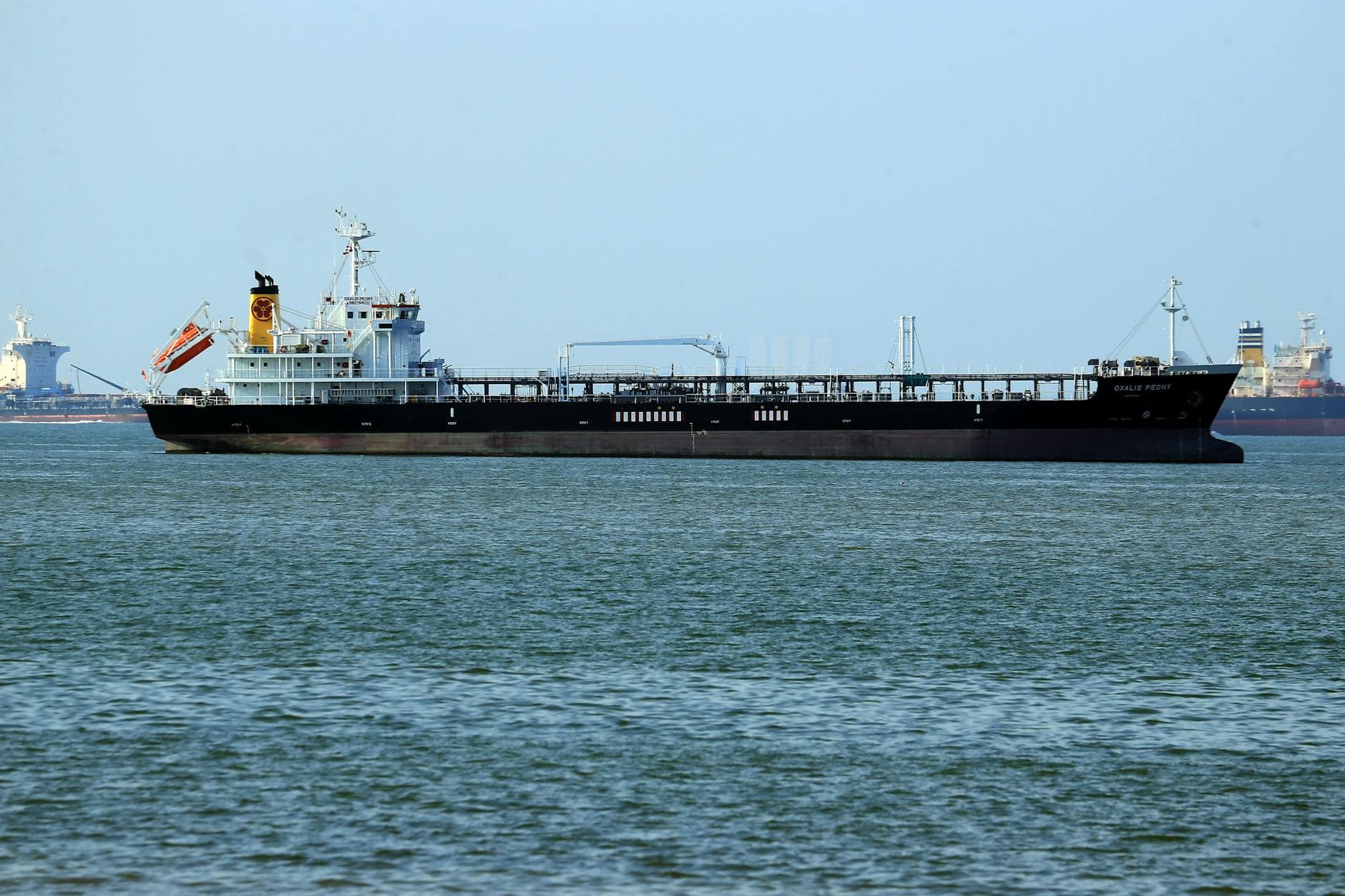
Chartering a Very Large Crude Carrier typically costs more than $100,000 per day, and tankers carrying sanctioned Iranian oil command even higher rates due to legal and insurance risks, with analysts estimating that roughly one-fifth of Iran's oil revenue is effectively consumed by these transport and storage costs. That's a tax no producer can afford indefinitely. Reuters reported Wednesday that Iranian oil exports have fallen to their lowest level in six years, a data point that would normally send crude soaring—except China isn't buying.
The Permian Basin, meanwhile, is drowning in natural gas it can't give away. A new milestone of bearishness was set in trading for delivery on April 16, when Waha averaged minus $9.52/MMBtu according to Natural Gas Intelligence. Yes, minus $9.52. Producers are paying people to take their gas. The region faces severe pipeline constraints, as evidenced by record-low Waha Hub spot prices, which have averaged below zero for eight of the last nine months.