Thursday, May 28, 2026Vol. III · No. 148Subscribe
The Mining, Energy & Technology Wire
Oil & Gas · Analysis

Oil's Vanishing Act: Where 1.2 Billion Barrels Went

U.S. crude inventories have collapsed by 25 million barrels in five weeks—but only because emergency reserves absorbed another 30 million. The real drawdown is far worse than it looks.

Oil's Vanishing Act: Where 1.2 Billion Barrels Went
PhotographU.S. crude inventories have collapsed by 25 million barrels in five weeks—but only because emergency reserves absorbed another 30 million. The real drawdown is far worse than it looks.

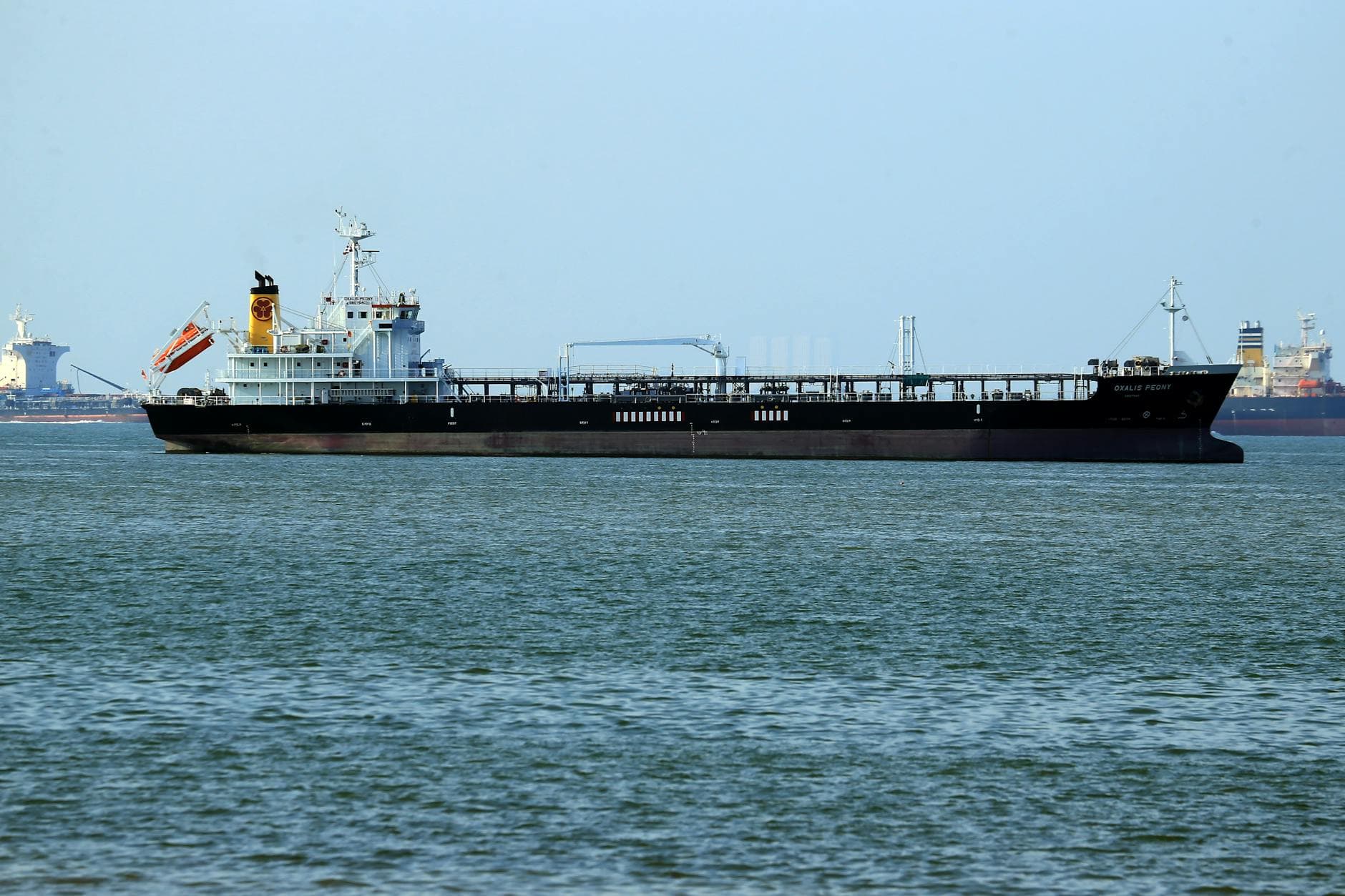
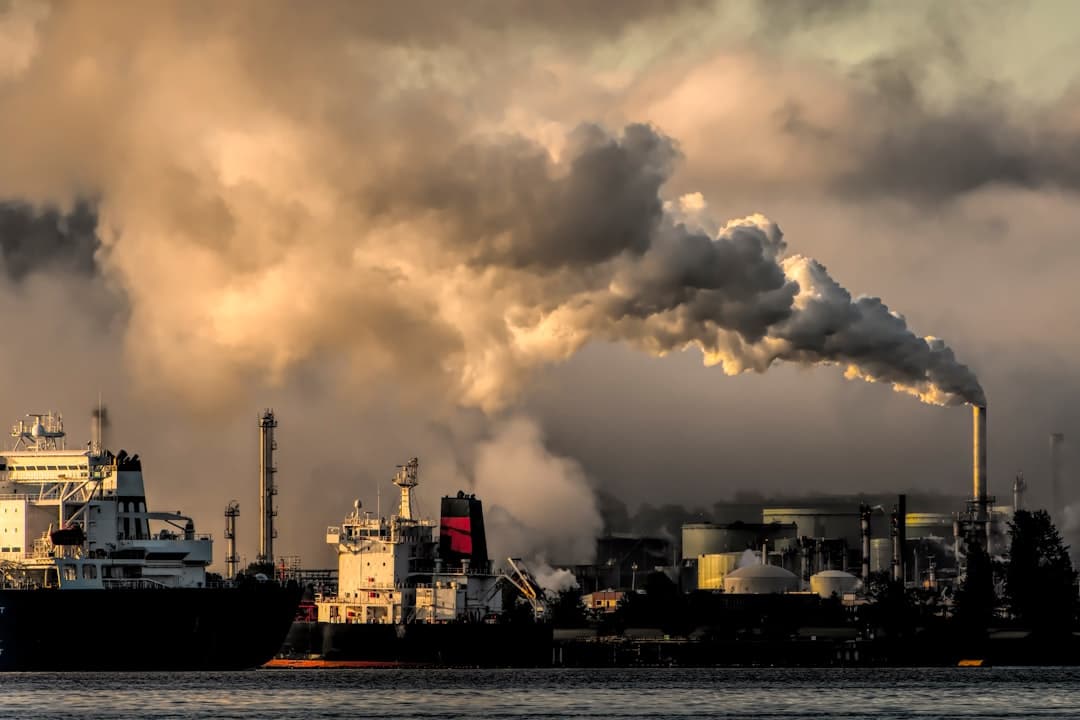
Twenty-five million barrels disappeared from U.S. commercial crude stockpiles in five weeks. That would be alarming enough. But the real number is 55 million—masked only by the two largest weekly withdrawals from the Strategic Petroleum Reserve in history, according to OilPrice.com. The week ending May 15 saw a 9.92 million barrel SPR draw, followed by 8.61 million the week prior—back-to-back records that kept commercial inventory losses from looking catastrophic .

The SPR now holds 413 million barrels, down from a 2009 peak of 726.6 million . It currently sits at just 374.2 million barrels , depending on the latest release figures. Either way, the cushion is thin. Global oil inventories are rapidly approaching "minimum operational levels," with Asia already facing acute shortages, analysts warn, as record inventory drawdowns and rising summer fuel demand tighten markets far faster than expected . The system is running on fumes and emergency releases. What happens when both run out?

Can LNG Expansion Outrun the Drawdown?

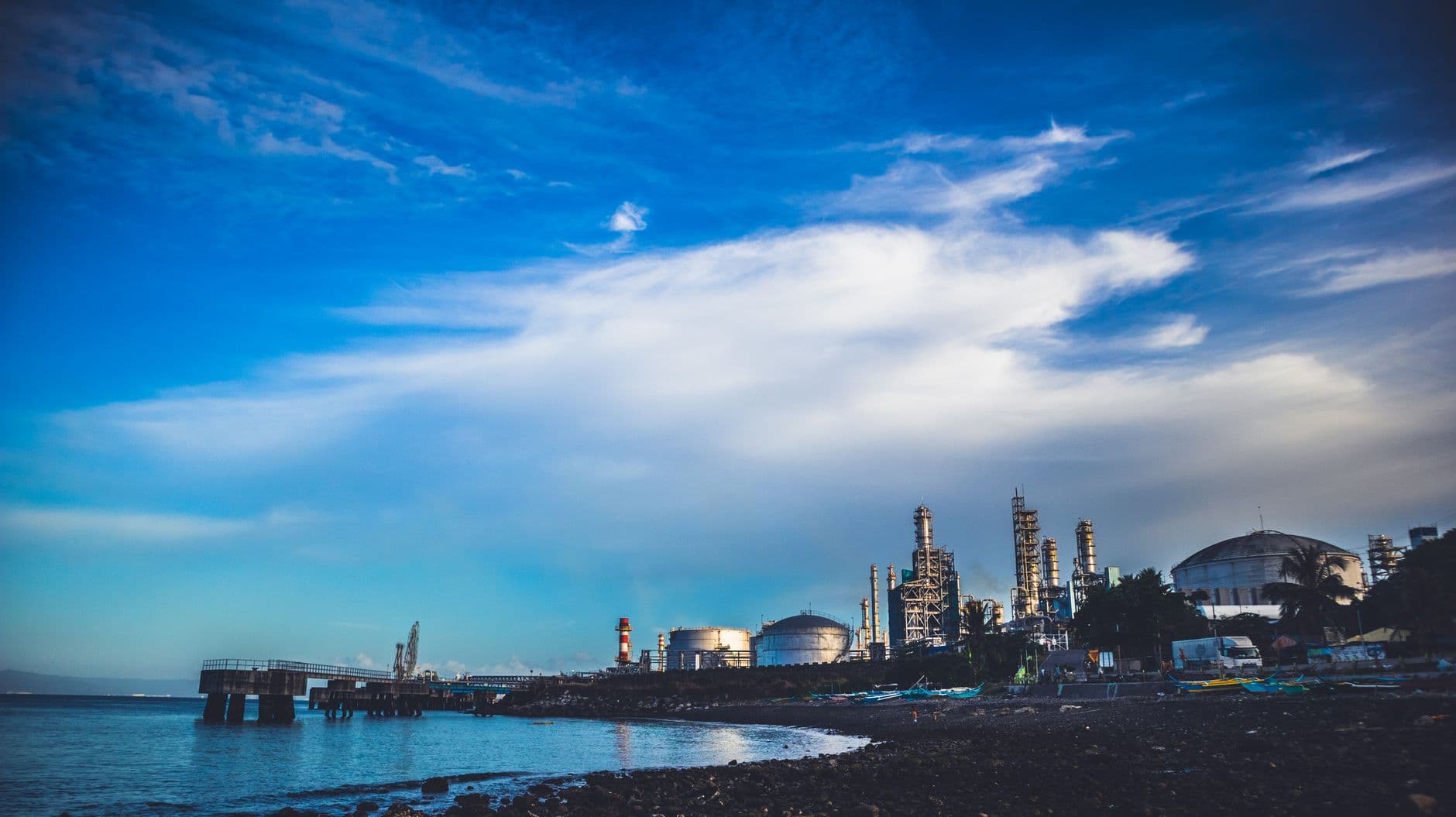
While oil inventories crater, the U.S. is doubling down on liquefied natural gas. Cheniere Energy Partners signed an engineering, procurement, and construction contract with Bechtel for the first phase of the Sabine Pass LNG expansion in Louisiana, which includes a single train with expected production capacity of over 6 million tonnes per year . Bechtel has received a limited notice to proceed to start early engineering and procurement .

The timing is no accident. Europe is scrambling to replace Russian gas, and U.S. LNG is filling the gap. But building new export capacity takes years, and the current crisis is measured in weeks. The EIA reported that utilities added 92 billion cubic feet of gas to storage in the week ended May 22, below forecasts for a 95 to 96 bcf increase . Natural gas futures climbed on the bullish storage print, with Henry Hub trading at $3.25/MMBtu according to market data—down 2.4% on the day but up sharply from recent lows.

The Sabine Pass expansion is part of a broader U.S. push. The expansion project is being developed for up to three large-scale liquefaction trains with an expected total peak production capacity of up to approximately 20 million tonnes per year . That's enough to supply a mid-sized European country. But first, Cheniere needs regulatory approvals and financing. And the global gas market isn't waiting.

Why Is Norway Spending More While Everyone Else Cuts?

Norwegian oil and gas companies now expect to invest 266 billion Norwegian crowns ($28.64 billion) in 2026, up from 255 billion seen in February, according to Statistics Norway . That's a notable uptick in a year when most producers are trimming budgets. Last year, total investments in oil and gas activity, including pipeline transportation, stood at $28.8 billion, a record high and up by 8.7% compared to 2024, though 2026 investments are still expected to be lower than 2025's actual spending .

The reason? Europe needs Norwegian gas more than ever, and Oslo knows it. Norway has been boosting its gas production since 2022 when it overtook Russia as Europe's top gas supplier . The country is planning its 26th licensing round in frontier areas to stem an expected production decline in the early 2030s. Equinor will drill about 26 wildcat and appraisal wells off the coast of Norway in 2026, mostly in the country's North Sea, as the company looks to spend $6 billion a year over the next ten years to maintain the flow of oil and gas to Europe .

But there's a catch. The expected decline over the next two years is the result of several fields now completed and online, which is reducing investment in development of new resources . Norway's tax incentive package from 2020 drove the recent boom. Without equivalent new projects, the investment level will decline gradually through 2030, the Norwegian Offshore Directorate warns.
What's Chevron Doing in the Eastern Mediterranean?

Chevron is making a calculated bet on the Eastern Mediterranean. The U.S. oil major has formally requested approval to acquire a 70% stake in an offshore exploration block southwest of Greece from Helleniq Energy, according to a statement released Thursday by Greece's energy ministry . The applications concern Block 2 in the southwest Ionian Sea and Block 10, located offshore near the Kyparissiakos Gulf, with Chevron acquiring a 70% stake from Helleniq Energy, which currently holds 100% of the rights in Block 10, while Helleniq would retain 30% and Chevron would become the operator .

This follows an earlier deal. In February, Chevron, via its four Dutch subsidiaries, together with HELLENiQ ENERGY signed Lease Agreements with the Hellenic Republic to explore four blocks offshore Greece, located south of Crete and within the Peloponnese, with Chevron holding a 70% operating interest and HELLENiQ ENERGY a 30% interest . The four offshore blocks cover a total area of approximately 47,000 square kilometers, or 18,147 square miles .

The geology is promising. The geological setting mirrors successful discoveries in adjacent Cyprus and Israeli waters, where similar Tertiary and Mesozoic formations have yielded significant commercial accumulations . Chevron already operates two producing gas fields offshore Israel and is developing the Aphrodite field offshore Cyprus. Greece wants to become a major gas supplier in the Mediterranean. Chevron wants to expand its regional footprint. The partnership makes strategic sense—if the wells hit.

Meanwhile, BP is consolidating its position in Azerbaijan. BP will assume operational control of the offshore Babek gas field in Azerbaijan, a development expected to be formalized by SOCAR and BP on June 1 . The Babek field is estimated to hold around 400 billion cubic metres of gas and 80 million tonnes of condensate . That's a substantial addition to BP's Caspian portfolio, which already includes the giant Shah Deniz field. Europe's pivot away from Russian gas is reshaping the entire Eastern Mediterranean and Caspian energy map.

What Changed This Week

U.S. crude inventories fell by another 3.3 million barrels in the week ending May 22, bringing commercial stockpiles to 441.7 million barrels—now 2% below the five-year average, the EIA reported. The SPR continues to bleed barrels at a historic pace, masking what would otherwise be a supply crisis visible to every motorist. Natural gas storage injections came in slightly below expectations, sending July futures higher as traders bet on summer cooling demand. And in a sign that the energy map is being redrawn in real time, Chevron filed to take control of yet another Greek offshore block while Norway's oil producers raised their 2026 investment forecast for the second time this year.

What to Watch

The EIA's next Weekly Petroleum Status Report drops Thursday, May 28, and will show whether the inventory drawdown is accelerating or stabilizing. Cheniere's Sabine Pass expansion awaits a final investment decision, expected later this summer. BP and SOCAR are set to announce the Babek field agreement on June 1. And Norway's 26th licensing round will reveal whether Oslo can find enough new resources to keep European gas flowing through the 2030s. The question isn't whether the world has enough oil and gas in the ground. It's whether we can get it out fast enough to matter.

Coverage aggregated and synthesized from leading energy-sector publications. See linked sources within the article.

Share this story

More from Stake & Paper

Was this article helpful?

ClaimWatch

Mining claims intelligence — from query to report, in minutes.

Every unpatented mining claim across all twelve BLM states. Leadfile audits, due diligence, site selection, regional prospecting, entity investigations, and AOI monitoring — delivered as complete report packages.

4.4M+
Claims Tracked
12
BLM States
7
Report Types
Request a Sample Report
Stake & Paper AM

One morning brief. The whole energy sector.

Original analysis, the day's most important wire stories, and market data — delivered before your first cup of coffee. Free.