Wednesday, May 27, 2026Vol. III · No. 147Subscribe
The Mining, Energy & Technology Wire
Oil & Gas · Analysis

Alaska's Arctic Bet Gets Real Money

Oil majors are pouring $163 million into Alaska's North Slope as the Hormuz crisis reshapes global supply chains—and exposes which countries have reserves and which are scrambling to build them.

Alaska's Arctic Bet Gets Real Money
PhotographOil majors are pouring $163 million into Alaska's North Slope as the Hormuz crisis reshapes global supply chains—and exposes which countries have reserves and which are scrambling to build them.

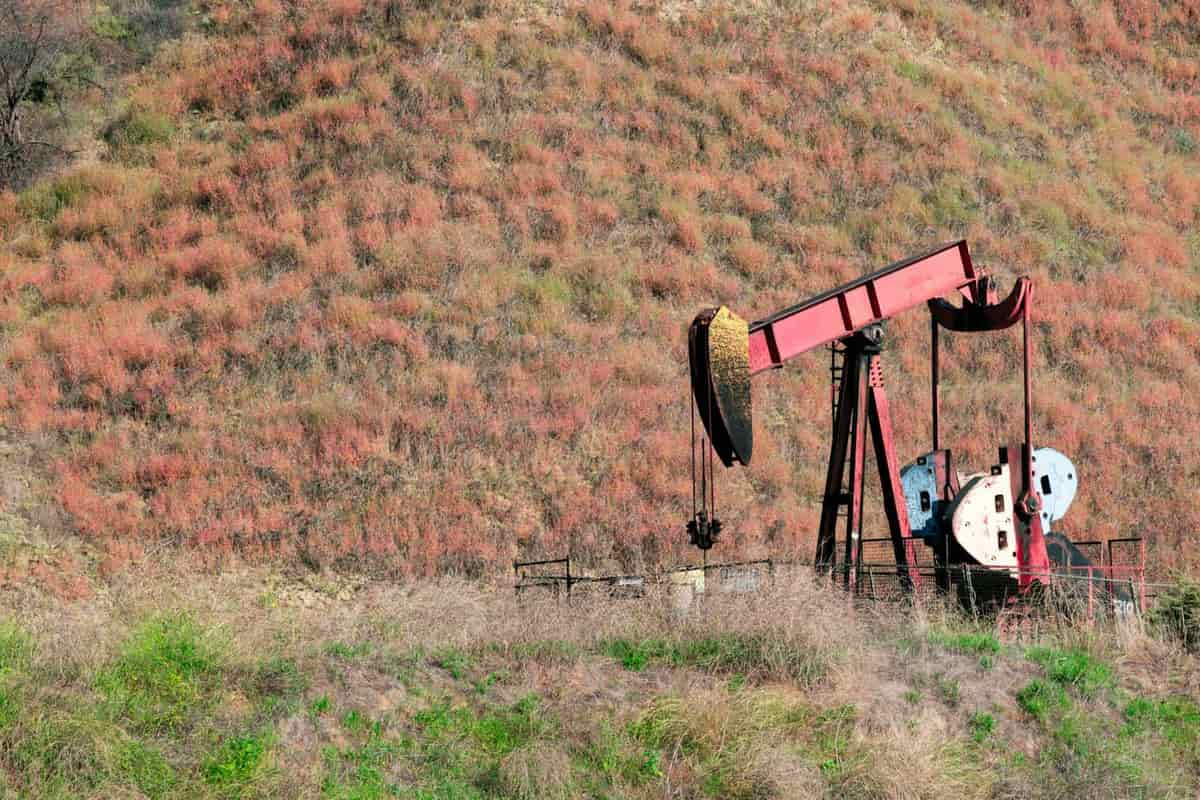
$163 million. That's what oil companies spent in March to lease drilling rights across 1.3 million acres of Alaska's Arctic tundra—the highest bid total in more than two decades for the National Petroleum Reserve, according to the Bureau of Land Management. The surprise wasn't just the money. It was who showed up: ExxonMobil and Shell, two supermajors that hadn't touched Alaska leases in years.

The sale, held as the Strait of Hormuz remained effectively closed and oil inventories drained at record pace, marks a turning point for a region once written off as too remote, too expensive, and too politically fraught. Now, with Middle East supply stranded and prices whipsawing between $90 and $144 per barrel, Alaska looks less like a frontier gamble and more like a hedge against the next crisis. But the scramble for secure barrels isn't just happening in the Arctic. It's exposing a starker divide: countries with strategic reserves, and countries realizing—too late—that they don't have any.

Why Are Oil Giants Betting on the Arctic Now?

The Alaska lease sale was the first in the National Petroleum Reserve since 2019, and it drew 11 companies bidding on 625 tracts, OilPrice.com reported. ExxonMobil and Shell were the headline surprises. Shell hasn't drilled in Alaska since its failed offshore campaign more than a decade ago, and ExxonMobil hadn't bid on leases in years, according to the Anchorage Daily News. Both companies spent millions to secure positions, with Repsol and Shell Frontier submitting more than $90 million in combined bids.

Bob Fryklund, a top oil and gas analyst at S&P Global Energy, told the Alaska Beacon the North Slope has been "kind of a sleeper basin" until recent discoveries expanded known resources. The timing matters. With more than 14 million barrels per day of Gulf oil shut in due to the Hormuz blockade—what the IEA calls the largest supply disruption in history—Alaska offers something increasingly rare: barrels that don't transit a war zone.

It won't be quick. Projects in the Arctic typically take five to ten years to move from lease to first oil. But the message from the auction is clear: oil companies are planning for a world where Middle East supply remains unreliable well into the 2030s. Environmental groups have filed lawsuits challenging the sale, particularly over tracts near Teshekpuk Lake, a sensitive caribou habitat. A federal judge reinstated conservation protections for the area on May 19, leaving the fate of some leases uncertain.

Who Has Oil in Reserve—and Who Doesn't?

While Alaska's oil won't flow for years, the Hormuz crisis is forcing countries to tap what they have now. On May 27, a Greek-flagged supertanker called the Arosa set off from the Gulf of Mexico carrying 616,000 barrels of U.S. Strategic Petroleum Reserve crude bound for the Philippines—the first SPR shipment to Asia since November 2022, Reuters reported. The cargo is part of a 172 million barrel release authorized in March as the U.S. and other IEA members responded to the supply shock.

The Philippines has no strategic petroleum reserve of its own. It relies on mandatory minimum inventory requirements imposed on private oil companies, which currently hold about 45 days of diesel stocks, according to energy analysts. The country declared a national energy emergency in March after the Hormuz closure cut off access to Middle Eastern crude, which supplies 98% of its oil imports.

Pakistan is in a similar bind. Despite relying on the Strait of Hormuz for up to 90% of its oil and LNG imports, Pakistan has zero strategic reserves, Reuters reported Monday. The country's energy ministry has now proposed building government-funded reserves financed by a 10-rupee-per-liter levy on petroleum, which would generate about $700 million annually. The plan also calls for refineries to hold 15 days of crude stocks and oil marketing companies to maintain 30 days of finished products, with rules phased in by June 2028.

Petroleum Minister Ali Pervaiz Malik acknowledged last week that building reserves is "easier said than done" for a country in an IMF program with severe fiscal constraints. Pakistan shared the framework with Saudi Aramco, Abu Dhabi National Oil Corp, QatarEnergy, PetroChina, Vitol, and Trafigura. Most declined to comment.

The contrast is stark. Japan holds 263 million barrels in government reserves—enough to cover more than 200 days of imports, according to the EIA. China's strategic and commercial inventories combined exceed 1.3 billion barrels. The U.S. SPR, even after the recent drawdown, still holds roughly 409 million barrels. Countries without reserves aren't just exposed to price shocks. They're scrambling to secure supply on a spot market where every cargo is contested.
Can Europe Drill Its Way Out of This?

Europe faces its own version of the Alaska dilemma—but in reverse. A dozen Scandinavian financial institutions, including Nordea Asset Management and Danish pension fund Sampension, urged the European Commission on May 26 to hold firm on its opposition to new Arctic oil and gas drilling, even as the bloc weighs revising its stance to prioritize energy security, Reuters reported.

The letter, organized by the Nordic Center for Sustainable Finance, warned that new Arctic developments would take more than a decade to come online, making them "ineffective in addressing the current crisis." Norway, Europe's biggest gas supplier, has been pushing Brussels to drop the moratorium. Norwegian production is set to decline in the 2030s unless companies like Equinor make new discoveries outside mature areas.

The EU's current policy supports a ban on further Arctic oil and gas development, though no formal moratorium is in place. A Commission spokesperson said the EU is reviewing its Arctic policy "in light of the new geopolitical and geoeconomic context" but no conclusions have been reached. Norway's largest pension company, KLP, also signed the letter opposing Arctic expansion.

The debate mirrors the tension playing out in Alaska: short-term supply needs versus long-term climate commitments. The difference is that Europe is debating whether to start drilling, while Alaska is already cashing checks.

What Happened at BP This Week?

In a separate jolt to the energy sector, BP removed Chairman Albert Manifold on May 26 after less than eight months in the role, citing "serious concerns" related to governance standards and conduct, the company announced. The BBC reported that bullying and overbearing behavior were among the issues, though BP did not confirm specifics.

The board's decision was unanimous, and senior independent director Ian Tyler stepped in as interim chair. BP shares fell as much as 9% on the news, according to CNBC. Manifold had been brought in to help steer BP away from renewables and back toward oil and gas—a strategy that appeared to be working. The company reported a doubling of profit to $3.2 billion for the first quarter, helped by stronger oil trading performance during the Iran war.

Manifold had received lower-than-typical support at BP's annual general meeting in April, with only 81.8% of shareholders voting in favor of his election. The dismissal marks BP's third CEO and third chairman in under three years, according to Morningstar analyst Lindsey Stewart, who described BP as having "the most volatile boardroom" of the oil supermajors.

What Changed This Week

Alaska went from afterthought to investment priority, with $163 million in lease bids signaling that oil majors are planning for a world where Middle East supply remains constrained. Pakistan and the Philippines, meanwhile, are learning the hard way that strategic reserves aren't optional—they're the difference between managing a crisis and being at its mercy. Europe is still debating whether to drill in the Arctic, while BP's boardroom drama underscores that even windfall profits can't insulate companies from governance failures.

What to Watch

The U.S. EIA will release its weekly natural gas storage report on May 29, with analysts forecasting a 92 Bcf injection—a key signal for summer cooling demand. Oil prices remain volatile as U.S.-Iran talks continue, with Brent trading around $75 per barrel according to market data, down sharply from April highs but still elevated. Watch for updates on Pakistan's reserve-building framework, which could set a template for other import-dependent nations. And keep an eye on the EU's Arctic policy review, expected to conclude later this year, which will determine whether Europe follows Alaska's lead or holds the line on climate commitments.

Coverage aggregated and synthesized from leading energy-sector publications. See linked sources within the article.

Share this story

More from Stake & Paper

Was this article helpful?

ClaimWatch

Mining claims intelligence — from query to report, in minutes.

Every unpatented mining claim across all twelve BLM states. Leadfile audits, due diligence, site selection, regional prospecting, entity investigations, and AOI monitoring — delivered as complete report packages.

4.4M+
Claims Tracked
12
BLM States
7
Report Types
Request a Sample Report
Stake & Paper AM

One morning brief. The whole energy sector.

Original analysis, the day's most important wire stories, and market data — delivered before your first cup of coffee. Free.