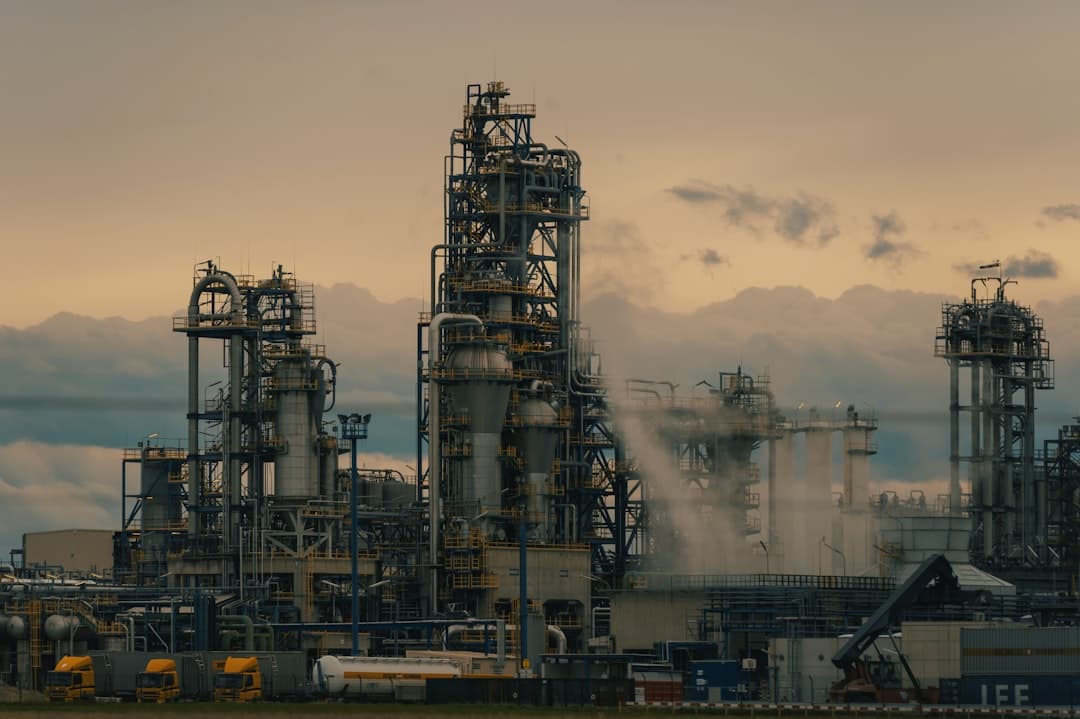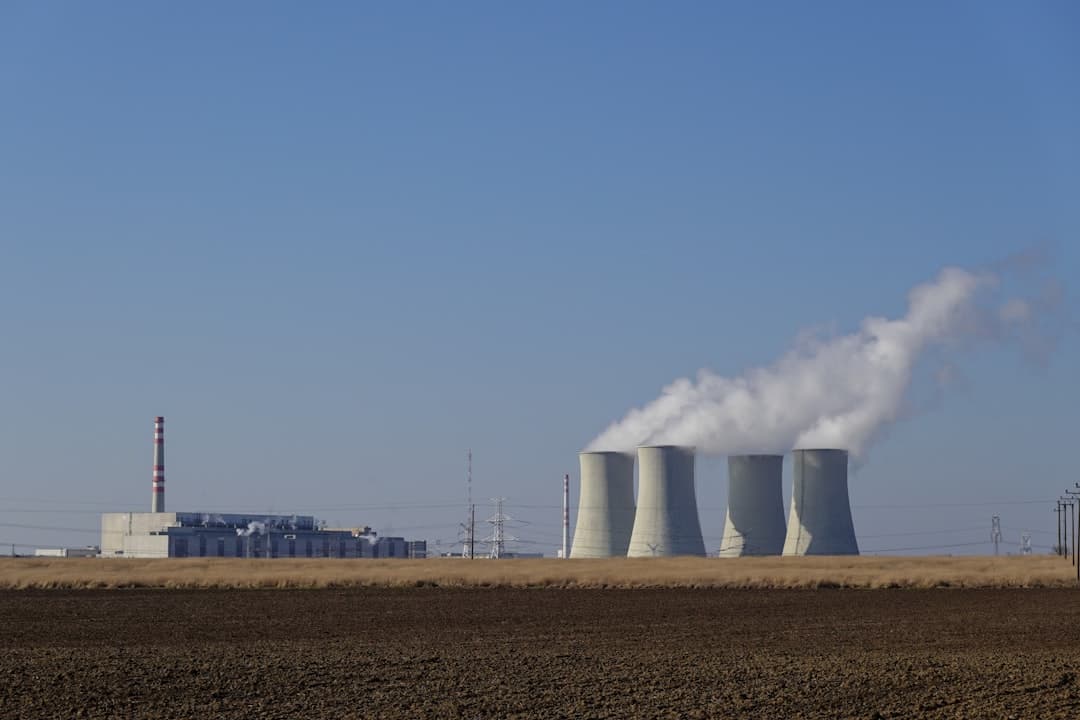
BP's board sacked its chairman on Tuesday after less than a year on the job. Albert Manifold, the former CRH chief executive who was supposed to steady the ship, was removed with immediate effect over what the company called "serious concerns" about governance standards, oversight and conduct, according to BP's official statement. The board declined to elaborate. Shares fell 9% before recovering to close down 4%.
This marks BP's third chairman in three years and its fifth CEO in six years, according to CNBC. The dismissal comes just weeks after Manifold installed Meg O'Neill as chief executive in April -- BP's first female CEO -- in what was meant to signal a fresh start after years of strategic whiplash between renewables and fossil fuels. Instead, the company now faces what Morningstar analyst Lindsey Stewart called "the most volatile boardroom" among oil supermajors. The timing is particularly awkward: BP had been pivoting back to oil and gas under pressure from activist investor Elliott Management, which holds about 5% of the company, Al Jazeera reported. Ian Tyler, a board member since April 2025, steps in as interim chair while the search for a permanent replacement begins.
Can Governance Failures Derail an Energy Transition?
BP's boardroom chaos is more than a corporate soap opera. It raises questions about whether companies undergoing fundamental strategic shifts -- from renewables back to hydrocarbons, or vice versa -- can maintain the governance discipline required to execute either path credibly. Justine Leigh-Bell, CEO of the Anthropocene Fixed Income Institute, told The National that "this is not simply a story about strategy, but about governance, execution and credibility."
The company has spent years oscillating between transition ambition and fossil fuel entrenchment, she noted, while shareholders push for faster returns and management tries to reset the narrative. BP's decision to block a shareholder climate proposal at its annual meeting last month had already antagonized investors, according to CNBC, with more than 18% voting against Manifold's re-election. The governance concerns that led to his firing remain unspecified, but the pattern is clear: BP's leadership instability is now a structural problem, not a personnel issue.
Meanwhile, halfway across the world, another governance failure is playing out in slow motion. Pakistan has no strategic petroleum reserves despite relying on the Strait of Hormuz for up to 90% of its oil and LNG imports, Reuters reported. The country holds just 28 days of fuel stocks -- a regulatory buffer, not a strategic cushion -- leaving it acutely vulnerable to supply shocks from the ongoing U.S.-Iran conflict that has periodically disrupted Hormuz transit this year.
What Happens When a Country Runs Out of Options?
Pakistan's energy ministry is now scrambling to build reserves it should have had decades ago, according to a government document shared with oil producers and trading firms including Trafigura and Vitol. The plan includes strategic petroleum reserves, commercial bonded storage terminals, and mandatory stock requirements for refineries and oil marketing companies. But there's a problem: Pakistan is in an IMF lending program with severe fiscal constraints, making state-funded reserves "easier said than done," Petroleum Minister Ali Pervaiz Malik admitted last week, per Reuters.
The proposed solution is creative but risky. International suppliers and traders would be allowed to hold petroleum stocks in Pakistan, creating commercial inventories that could support domestic supply during emergencies, according to the document. The government would fund its own strategic reserves through a ring-fenced levy of 10 rupees per liter on petroleum products, generating an estimated $700 million annually starting July 1. Refineries would be required to hold 15 days of crude stocks, and oil marketing companies 30 days of finished products, with full compliance phased in by June 2028.
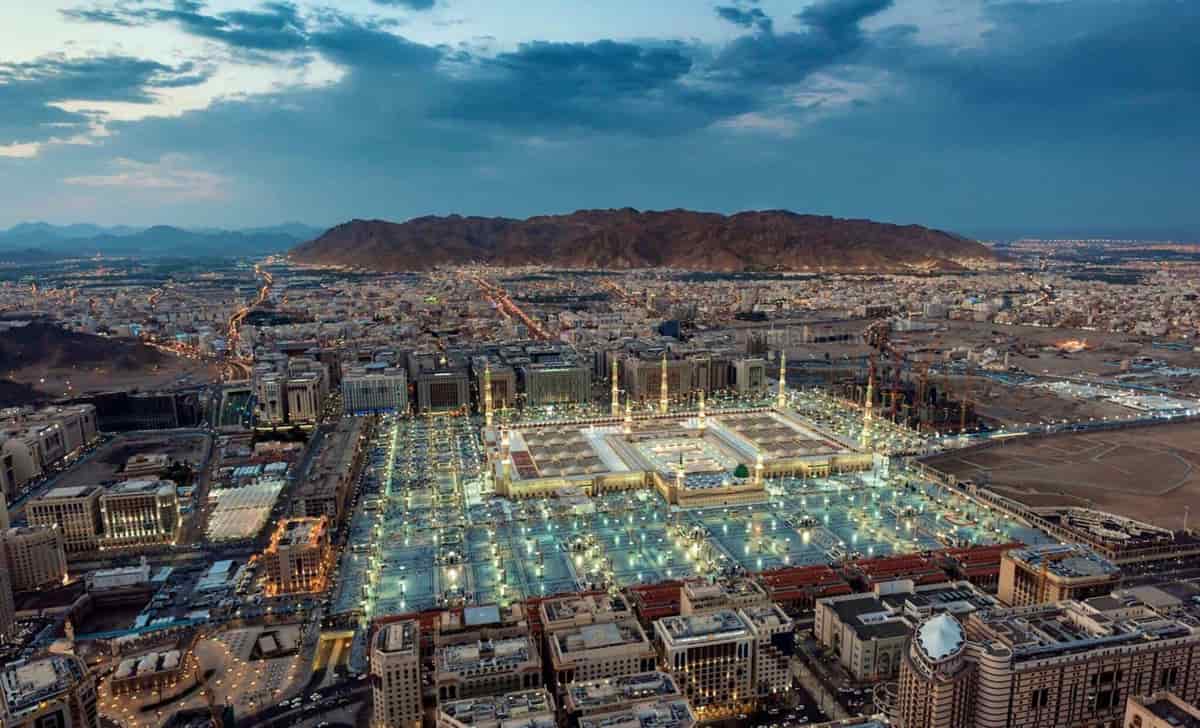
The Strait of Hormuz crisis has already forced Pakistan to request that Saudi Arabia reroute oil supplies through the Red Sea port of Yanbu, according to Wikipedia's coverage of the 2026 Hormuz crisis. The IEA notes that about 20 million barrels per day of crude oil and products transited the strait in 2025 -- roughly 25% of global seaborne oil trade. Saudi Arabia and the UAE have some bypass capacity via pipelines to the Red Sea and Arabian Sea, with an estimated 3.5 to 5.5 million barrels per day of available capacity, per the IEA. But that's less than half of what normally flows through Hormuz, and the Red Sea route itself is vulnerable to Houthi attacks.