Chevron Chairman and CEO Mike Wirth said on Monday that physical shortages in oil supply would begin appearing around the world because of the closure of the Strait of Hormuz, through which 20% of global crude supply passes , delivering one of the starkest warnings yet about the energy crisis gripping global markets.
Economies will begin shrinking, first in Asia, as demand adjusts to reduced supply with the strait still closed because of the U.S.-Israeli war with Iran, Wirth said during a discussion sponsored by the Milken Institute. "We will start to see physical shortages," Wirth said, noting that surplus supply in commercial markets, tankers in so-called shadow fleets avoiding sanctions, and national strategic reserves were being absorbed . The overall effect of the Hormuz closure is "potentially as big as in the 1970s," Wirth said .
The warning comes as international benchmark Brent crude futures rose nearly 6% to close at $114.44 per barrel, while U.S. West Texas Intermediate futures advanced more than 4% to settle at $106.42 per barrel on Monday, according to CNBC. According to market data, WTI crude traded at $109.76 per barrel as of Friday's close, though prices have surged dramatically in recent trading sessions.
U.S. Military Operation Escalates Tensions
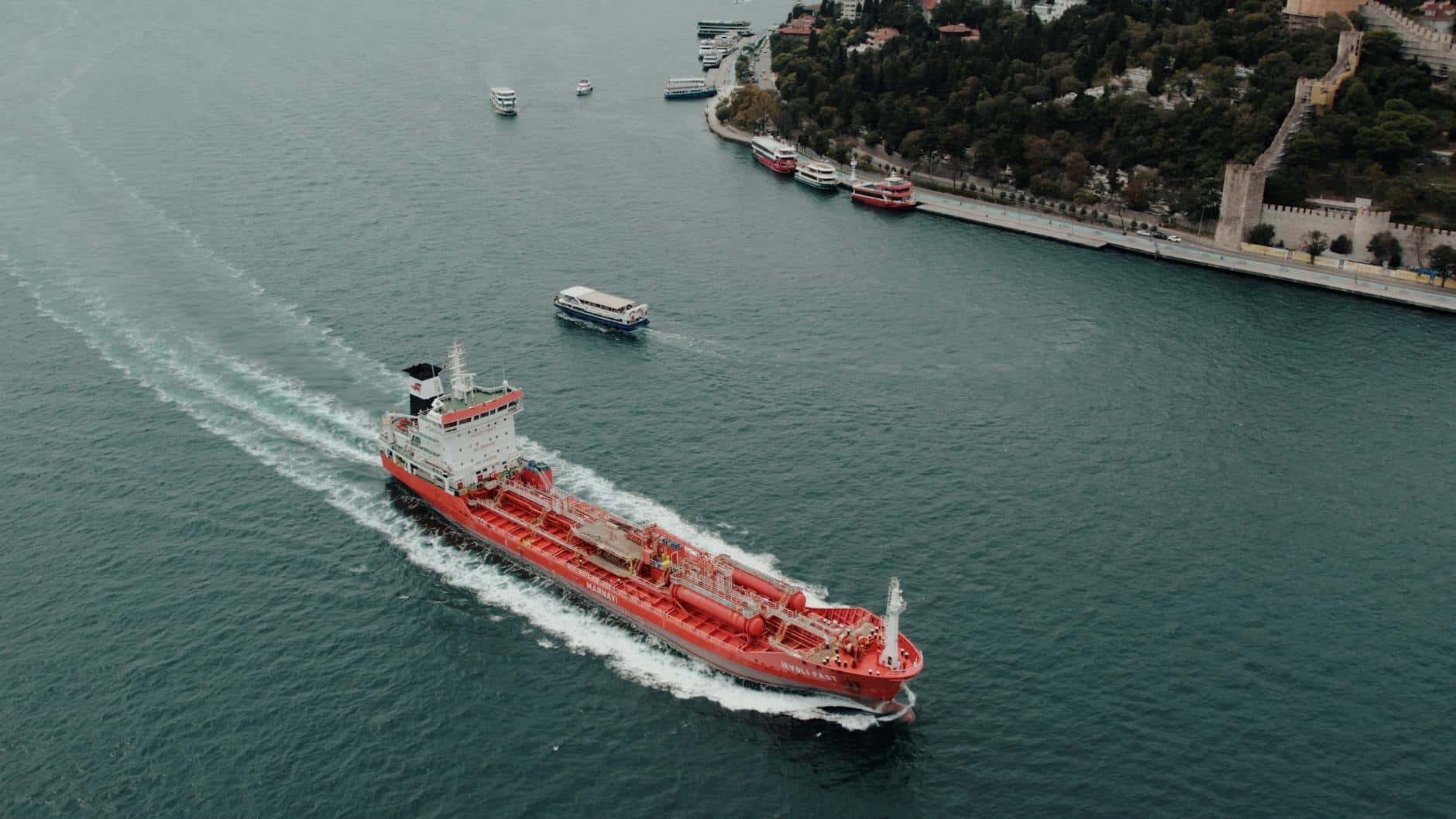
President Donald Trump on Sunday night announced "Project Freedom," an attempt by the U.S. to "free" ships that have been stranded as a result of Iran's de facto blockade of the Strait of Hormuz. CENTCOM later said U.S. Navy guided-missile destroyers are "currently operating in the Arabian Gulf after transiting the Strait of Hormuz in support of Project Freedom" , according to CNBC.
The U.S. military said it fired on Iranian forces and sank six small boats targeting civilian ships as it moved to reopen the Strait of Hormuz on Monday , NPR reported. US forces will be attacked if they enter the strait, and commercial ships and oil tankers should refrain from moving unless they coordinate with Iran, Ali Abdollahi, the head of the Iranian military's unified command, said in a statement on Monday , according to Al Jazeera.
Shipping traffic through the Strait of Hormuz, a major maritime choke point for world energy trade, has been largely blocked by Iran since 28 February 2026, when the United States and Israel launched an air war against Iran and assassinated its supreme leader Ali Khamenei , according to Wikipedia's documentation of the crisis.
UAE Breaks From OPEC, Accelerates Investment
In a major shift for global oil markets, the United Arab Emirates has announced its decision to quit OPEC and OPEC+ to focus on "national interests", dealing a heavy blow to the oil-exporting groups at a time when the US-Israel war on Iran has caused a historic energy shock and rattled the global economy. The move, which will take effect on Friday, reflects "the UAE's long-term strategic and economic vision and evolving energy profile," a statement carried by state media said on Tuesday , Al Jazeera reported.
Days after the UAE's May 1 exit from OPEC, ADNOC Group announced the $55-billion investment on Sunday during the inaugural Make it With ADNOC Forum, which "provided greater visibility into ADNOC's project pipeline, and unlocked a wealth of manufacturing opportunities" , according to OilPrice.com. The $55-billion investment is part of the huge $150-billion capital plan for 2026–2030 approved in November 2025. So, it's not new, but it is accelerated by the company now that the UAE is not bound by any production quotas .
But with the Strait of Hormuz still closed and oil and gas flows unable to leave the Middle East, the UAE – like the OPEC+ Gulf producers – cannot accelerate production in the short term. Short term, no producer in the Gulf is in a position to raise output until the Strait of Hormuz remains closed , OilPrice.com noted.