Monday, June 1, 2026Vol. III · No. 152Subscribe
The Mining, Energy & Technology Wire
Oil & Gas · Analysis

The New Oil Map: Who's Filling the Gap

Venezuela exports 1.25 million barrels per day while US shipments hit records. Three months into the Hormuz closure, the global oil trade is being redrawn—but not where OPEC can reach it.

The New Oil Map: Who's Filling the Gap
PhotographVenezuela exports 1.25 million barrels per day while US shipments hit records. Three months into the Hormuz closure, the global oil trade is being redrawn—but not where OPEC can reach it.

Twenty percent of the world's oil supply vanished when Iran closed the Strait of Hormuz . Three months later, the barrels are moving again—just not through the strait, and not from the producers who used to control the market.

Venezuela's crude exports rose 14% in May to around 1.25 million barrels per day, the highest level in over seven years , Reuters reported. US oil exports jumped to 5.2 million barrels per day in April, a more than 30% increase over the 3.9 million bpd exported in February , according to Kpler data. Meanwhile, nearly 8% of Norwegian offshore workers plan to strike from June 5 unless wage talks succeed—threatening Europe's largest gas supplier at the worst possible moment. The Hormuz crisis didn't break the oil market. It fractured OPEC's grip on it.

Can Non-OPEC Producers Actually Replace the Gulf?

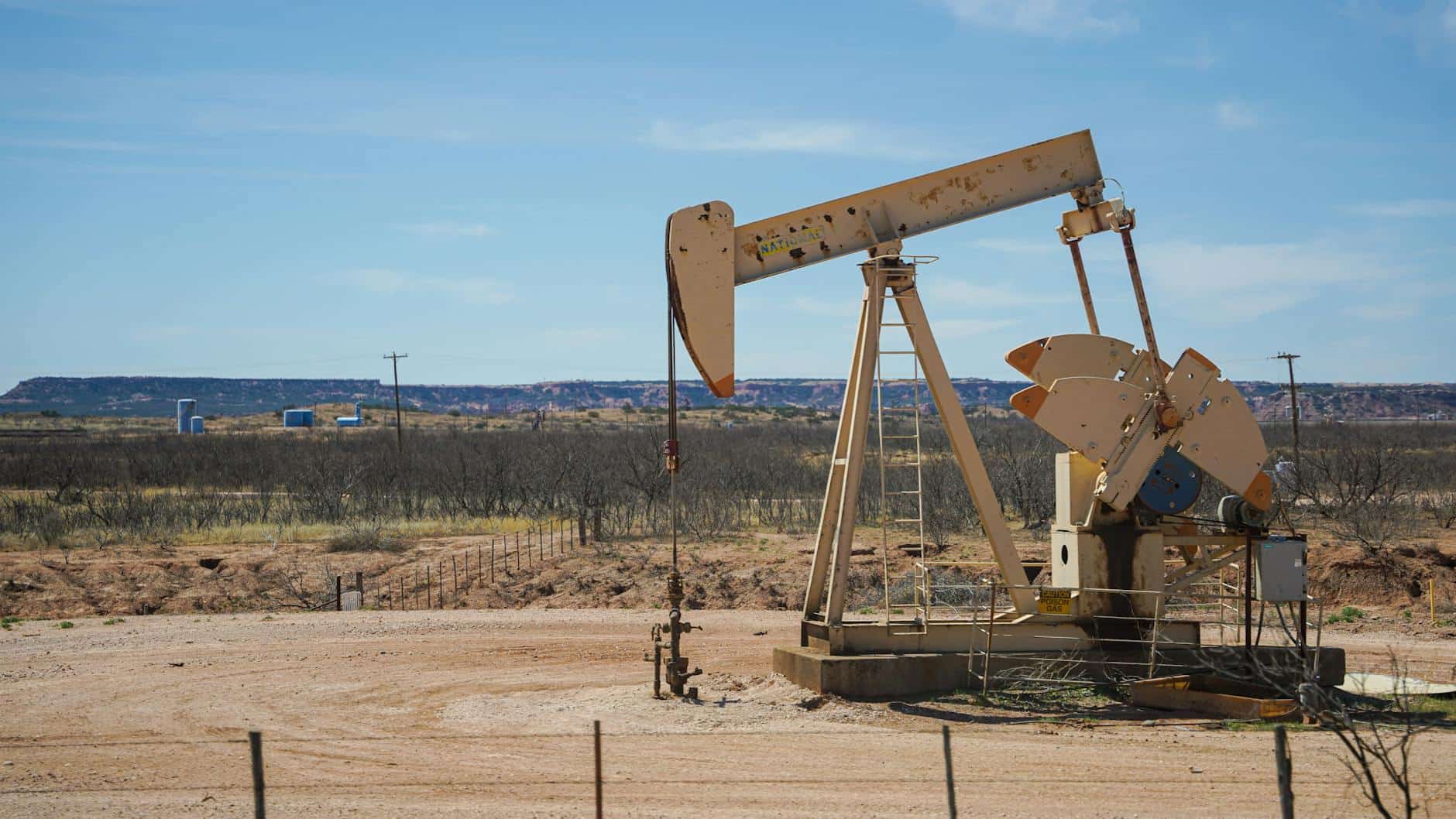
Not entirely, but they're trying. March was the busiest month in the history of the Port of Corpus Christi, with oil exports increasing to about 2.5 million barrels per day since the war started compared to 2.2 million bpd last year , CEO Kent Britton told CNBC. Ship traffic rose to more than 240 vessels in March compared to the 200 the port normally sees . The Texas port has become the world's third-largest oil export terminal by default—the two bigger ones, Ras Tanura and Basra, are stranded behind the blockade.

Venezuela's resurgence is even more striking. International companies including Shell, BP, Repsol, and Eni are rapidly expanding in Venezuela, with deals worth billions getting closed under US management of the country's oil resources . Shell's Dragon offshore field contains an estimated 4.5 trillion cubic feet of natural gas , while Eni's Junin-5 field in the Orinoco Belt contains 35 billion barrels of certified oil in place .

But there's a catch. The re-routing of ships to the US Gulf Coast is probably more of a wartime crisis measure than a permanent realignment, because light sweet crude that the US produces is a poor substitute for sour Middle East barrels , Matt Smith at Kpler noted. Asian refineries are buying American oil because they have no choice, not because it's what their equipment was built to process.

What Happens When OPEC Can't Deliver What It Promises?

The cartel is going through the motions. OPEC+ announced it will raise oil output by 188,000 barrels per day in June in its first meeting since the UAE's shock departure . Saudi Arabia's quota will rise to 10.291 million bpd in June, far above the kingdom's actual production of 7.76 million bpd reported in March .

The gap between what OPEC says and what it can physically ship has never been wider. The move is largely symbolic because member nations in the Middle East will be unable to implement the increase unless the Strait of Hormuz is reopened . Only Saudi Arabia and the UAE have operational crude pipelines that could potentially bypass the strait, with an estimated 3.5 to 5.5 mb/d of available capacity , the IEA notes—but the logistics and supply chains needed to re-route and export substantial flows have not been robustly tested .

The UAE's exit compounds the problem. Along with Saudi Arabia, the UAE was one of the only OPEC producers with meaningful spare capacity—Abu Dhabi's departure means the group has fewer shock absorbers available to deal with future supply shocks . With production capacity reaching approximately 4.85 million bpd against a quota ceiling of roughly 3.5 million bpd, the UAE was sacrificing roughly 1.35 million bpd of monetizable output before it walked away.

Could Norway Make Things Worse?

Europe can't afford to find out. Norway produces more than 4 million barrels of oil equivalent per day and is Europe's largest supplier of natural gas, delivering about one-third of the continent's annual consumption . Some 617 of Norway's roughly 8,100 offshore oil and gas production workers would be part of a first wave of strikes if wage mediation collapses this week.

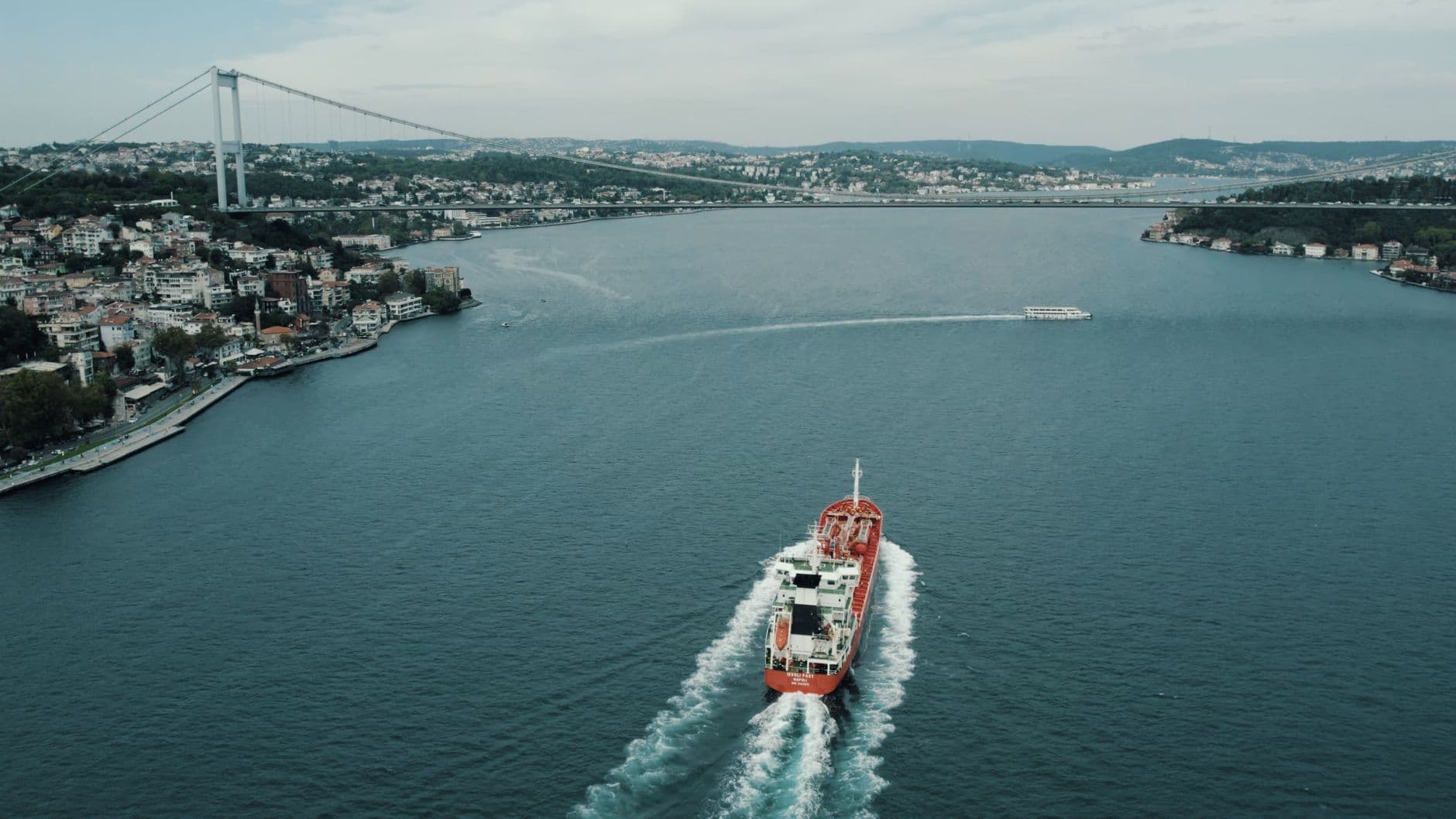
The timing is brutal. The Strait of Hormuz crisis is "the largest supply disruption in the history of the global oil market," according to IEA head Fatih Birol, with 11 million barrels of oil and 140 billion cubic meters of gas normally in daily global circulation now effectively offline. Many oil traders drew parallels with the 1970s oil shock, warning that fuel crunches hitting Asia will soon start spreading west, with Europe at risk of diesel shortages in the coming weeks , Bloomberg reported.

A Dallas Fed model estimates that the Hormuz closure could raise WTI to $98 per barrel in the second quarter, or as high as $132 per barrel by year-end if shipping remains blocked for three quarters . According to market data, WTI traded at $71.50 per barrel on Sunday, up 0.6%—a sign that traders either expect the strait to reopen soon or haven't fully priced in the structural damage yet.

What Changed This Week

Iran has largely blocked shipping through the Strait of Hormuz since February 28, issuing warnings forbidding passage, boarding and attacking merchant ships, and laying sea mines . Oil prices jumped Monday after reports that Trump sent a proposed Iran peace deal back for revisions, OilPrice.com said. Venezuela's May export figures confirmed the country is back as a meaningful supplier for the first time since 2018. And Norway's unions set a June 5 strike deadline that could remove another 2 million barrels per day of oil equivalent from a market that's already missing 20% of its normal supply.

What to Watch

OPEC+ meets again on June 7 to review market conditions and compliance. Norway's wage mediation deadline hits June 5—any strike would affect operations immediately. Watch whether Trump accepts the revised Iran deal language, and whether Venezuela can sustain export growth above 1.3 million bpd without major new infrastructure investment. The IEA is expected to release updated supply disruption estimates later this month. And if Brent crude breaks above $100 per barrel and holds, expect coordinated strategic reserve releases from IEA members—the US, Europe, and Japan have already drawn down stockpiles, but not yet at the scale the 1970s required.

Coverage aggregated and synthesized from leading energy-sector publications. See linked sources within the article.

Share this story

More from Stake & Paper

Was this article helpful?

ClaimWatch

Mining claims intelligence — from query to report, in minutes.

Every unpatented mining claim across all twelve BLM states. Leadfile audits, due diligence, site selection, regional prospecting, entity investigations, and AOI monitoring — delivered as complete report packages.

4.4M+
Claims Tracked
12
BLM States
7
Report Types
Request a Sample Report
Stake & Paper AM

One morning brief. The whole energy sector.

Original analysis, the day's most important wire stories, and market data — delivered before your first cup of coffee. Free.