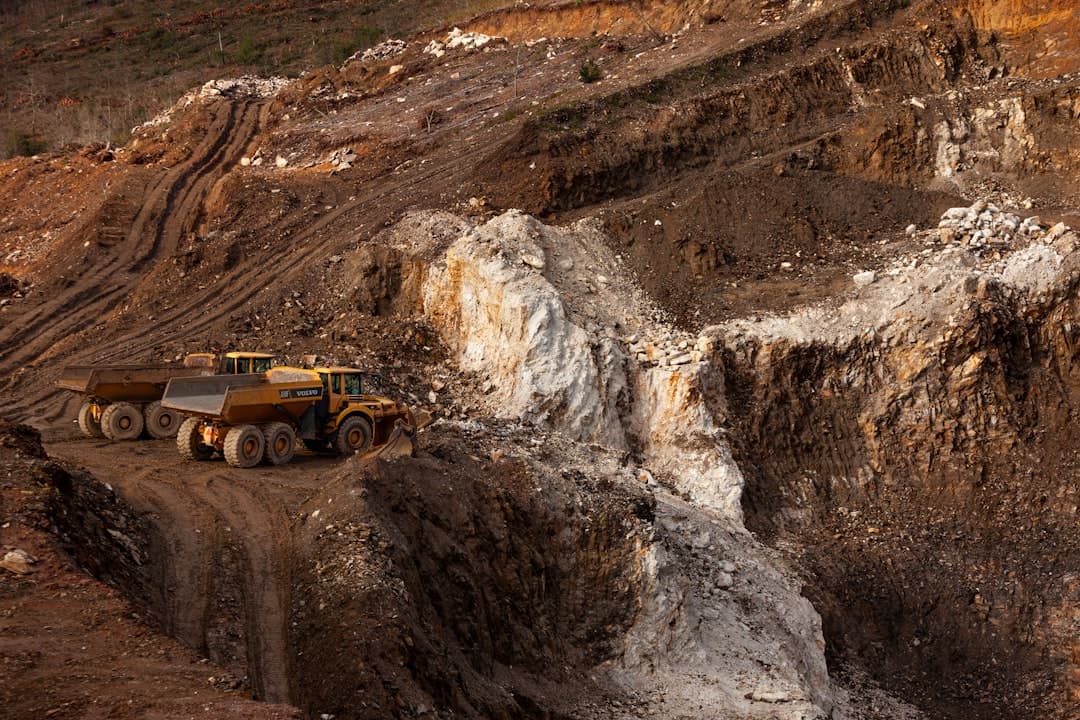
Upstream refers to exploration and production of crude oil and natural gas, midstream is the transportation and storage of crude oil and natural gas, downstream refers to the conversion of crude oil and natural gas into thousands of finished products.
These three segments form the complete value chain of the oil and gas industry, from locating resources beneath the earth's surface to delivering gasoline, diesel, plastics, and petrochemicals to consumers worldwide.
Key Points
The upstream segment includes all activities involved in searching for oil and natural gas deposits, drilling wells, evaluating geological formations, and bringing hydrocarbons to the surface
Midstream encompasses all activities involved in the transportation, storage, and processing of crude oil, natural gas, and natural gas liquids (NGLs)
Downstream includes all activities related to refining, petrochemical manufacturing, fuel distribution, transportation, and retail marketing
Integrated oil companies benefit from diversification across multiple sectors, allowing them to hedge against market volatility
The midstream segment ensures that hydrocarbons move safely, efficiently, and reliably from production fields to refineries, petrochemical plants, and end-use markets
Understanding the Three Segments
The oil and gas industry is generally categorized into three segments, namely, "upstream," "midstream," and "downstream" based on the operation stage in the supply chain.
Each segment plays a distinct and essential role in transforming raw hydrocarbons into the energy products and materials that power modern society.
The further a sector is from the end-user, the more upstream it is.
This conceptual framework helps industry professionals, investors, and policymakers understand where specific activities fit within the broader energy supply chain.
While each of these areas has a number of independent companies, major companies in oil and gas are often considered integrated, meaning their businesses consist of a mix of upstream, midstream and downstream activities.
The distinction between these segments is important because each faces different technical challenges, regulatory requirements, economic drivers, and risk profiles. Understanding these differences is crucial for anyone working in or analyzing the energy sector.
How the Three Segments Work
1. Upstream: Exploration and Production
The upstream sector in oil and gas refers to the very first stage of the industry's value chain, focused entirely on locating, accessing, and producing petroleum resources from beneath the earth's surface, known formally as exploration and production (E&P)
The upstream process begins with exploration activities.
Geologic surveys and any information gathering used to locate specific areas where minerals are likely to be found is commonly called exploration.
Companies in this segment use geological surveys, seismic testing, and other advanced technologies to identify potential sites for drilling.
Once promising locations are identified,
upstream also includes the steps involved in the actual drilling and bringing oil and natural gas resources to the surface, referred to as production.
It is a high-risk activity for organisations, as it is very expensive and those costs are only truly recouped if the exploration is successful.
2. Midstream: Transportation and Storage
The midstream segment of the oil and natural gas industry refers to anything required to transport and store crude oil and natural gas before they are refined and processed into fuels and key elements needed to make a very long list of products we all depend on every day.
The midstream sector operates extensive pipeline networks, trucking systems, rail logistics, barges, and marine tankers that carry hydrocarbons from production fields to refineries, terminals, and storage hubs.
Midstream also includes pipelines and all the infrastructure needed to move these resources long distances, such as pumping stations, tank trucks, rail tank cars and transcontinental tankers.
Storage is another critical midstream function.
These facilities store crude oil before it is transported to refineries, helping to manage fluctuations in supply and demand.
According to the US Department of Transportation, pipelines are the safest way to transport crude oil, refined products, and natural gas over the long distances necessary to deliver energy to everyone who needs it.
3. Downstream: Refining and Distribution
The downstream sector covers refining and marketing, with the goal to take crude oil, which is virtually unusable in its natural state, and transform it into petroleum products used for a variety of purposes such as heating homes, fueling vehicles and making petrochemical plastics.
Refining is the core of downstream operations, involving converting crude oil into usable products through processes like distillation, cracking, and reforming.
Hydrotreating is used to remove unwanted elements, such as sulphur and nitrogen from hydrocarbons; cracking breaks molecules into smaller fragments to produce gasoline and other lighter hydrocarbons.
Beyond refining,
downstream also includes the distribution and sale of these products to consumers.
In addition to the well-known products of gasoline, jet fuel, and diesel fuel, the downstream industry touches every consumer through additional processing that produces lubricants, waxes, and specialty products, such as high-quality oils for medicines and cosmetics, as well as raw materials for the petrochemical industry as feedstock in the production of thousands of additional products such as synthetic rubber, plastics, nylon, polyesters for fabrics, fertilizers, antifreeze, pesticides, and pharmaceuticals.
Why It Matters
The three-segment framework is fundamental to understanding how the global energy system functions. Each segment requires different expertise, capital investment, and infrastructure.
The upstream sector is the most capital-intensive, technologically advanced, and high-risk part of the oil and gas lifecycle.
Midstream operations require extensive infrastructure networks and regulatory compliance, while downstream operations demand sophisticated refining technology and consumer distribution networks.
Upstream, midstream, and downstream sectors complement each other for operational excellence—the triumvirate is crucial to the oil and natural gas industry's survival, success, and sustainability, as well as in the larger energy industry context.
When one segment experiences disruption—whether from geopolitical events, natural disasters, or market shifts—the effects ripple through the entire supply chain, affecting energy prices and availability worldwide.
Related Terms
Exploration and Production (E&P): Another term for upstream operations, focusing specifically on finding and extracting oil and gas reserves from underground or underwater formations.
Integrated Oil Company:
A firm that operates across the entire spectrum of the oil and gas industry, managing everything from oil exploration and production to transportation, refining, and distribution, unlike independent companies which focus on a single segment.
Natural Gas Liquids (NGLs):
Used as raw materials in oil refining and petrochemical manufacturing.
Frequently Asked Questions
What are examples of integrated oil companies?
Examples of integrated oil companies include Chevron, ExxonMobil, BP, and Shell.
Outside of the U.S., examples of state-controlled integrated companies include Saudi Aramco of Saudi Arabia, Petronas of Malaysia, and China National Petroleum Corporation.
These companies operate across all three segments of the industry.
Which segment is most profitable?
Profitability varies by market conditions.
Upstream companies benefit from high oil and gas prices and high volumes.
Downstream companies benefit from profit margins where they are able to sell their refined products for more than the cost of acquiring the crude resources.
Midstream companies typically focus on volume-based fee structures and are less exposed to commodity price volatility.
Can a company operate in just one segment?
Yes.
An independent oil and gas company focuses on one segment of the value chain rather than operating across all of them. ConocoPhillips and Murphy Oil, for example, are independent producers focused on the upstream, while Phillips 66 and Sunoco operate in the downstream.
Many companies specialize in a single segment to focus their expertise and capital allocation.
Last updated: August 3, 2026. For the latest energy news and analysis, visit stakeandpaper.com.