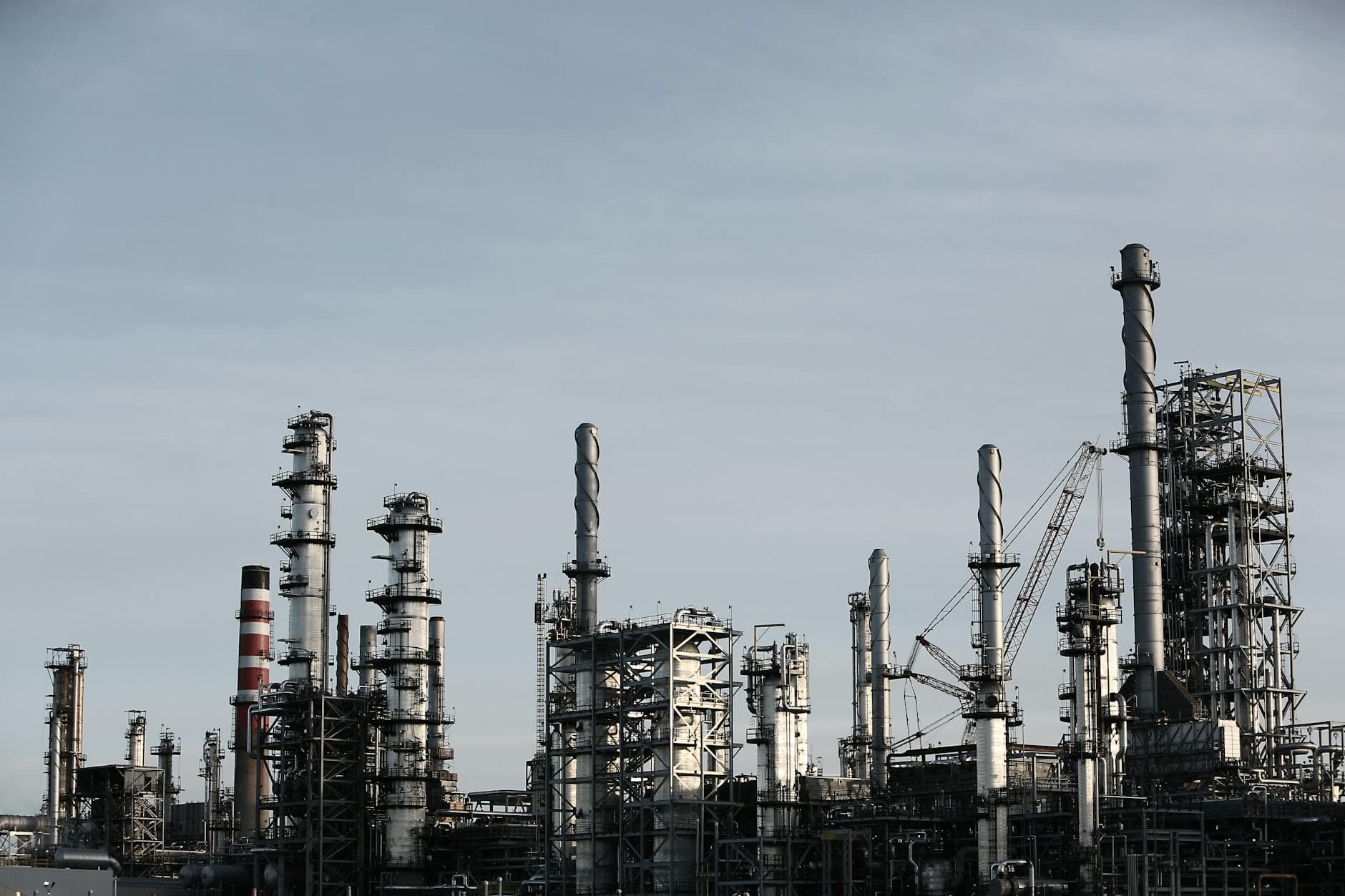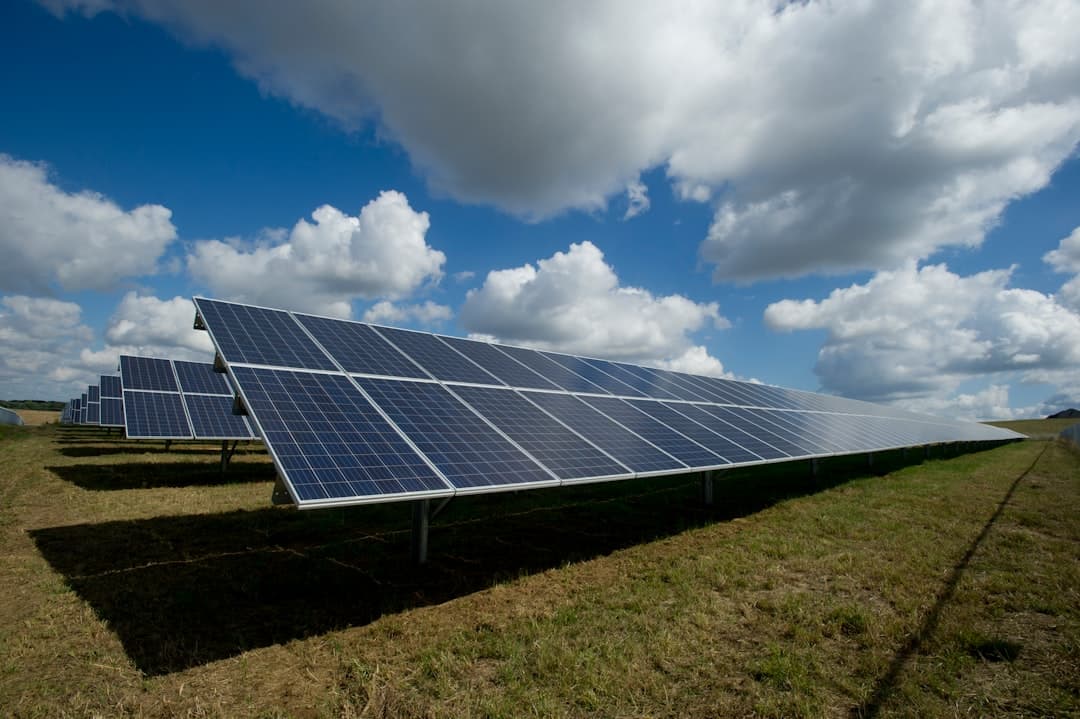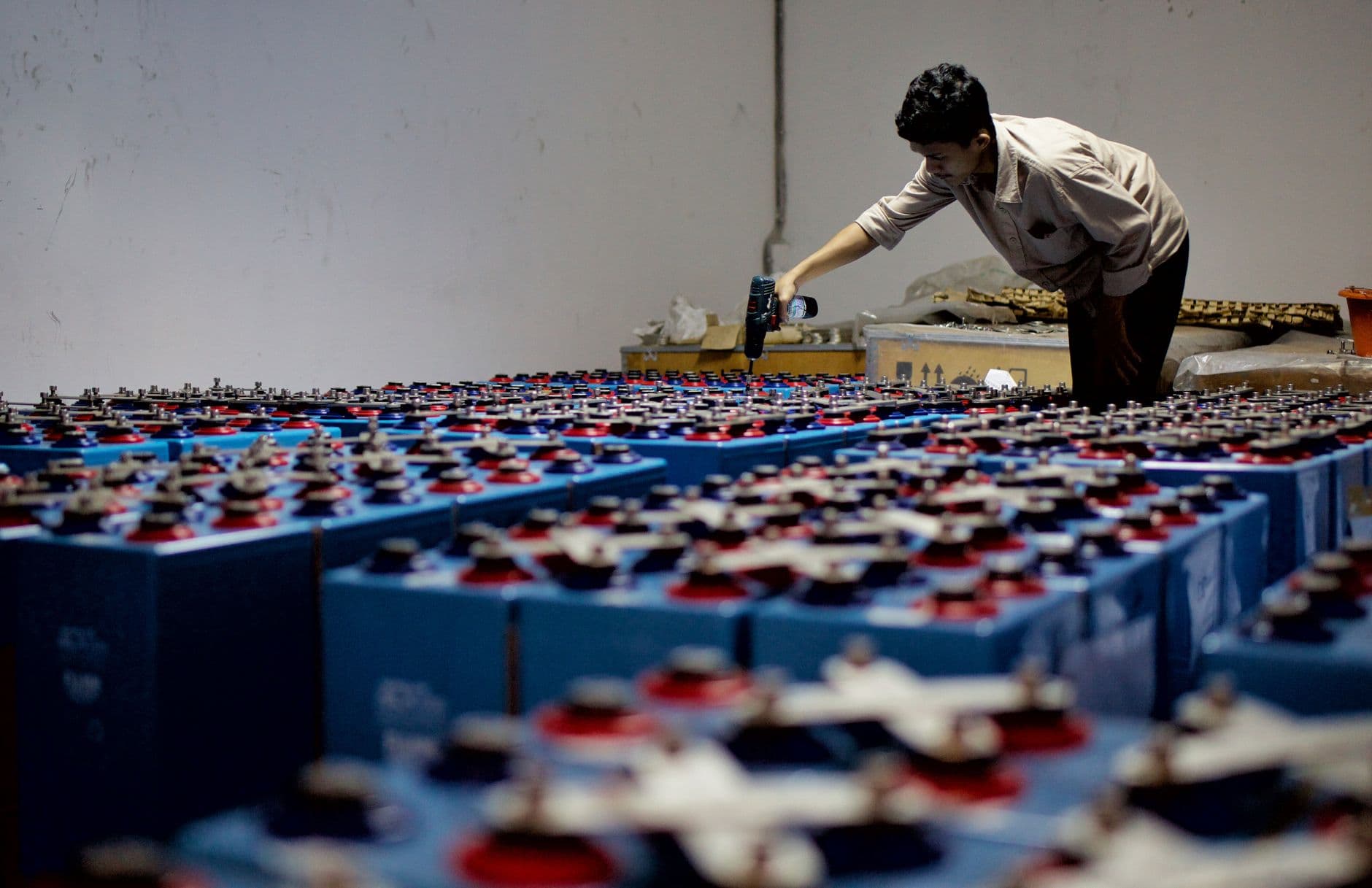
China invested $940 billion in clean energy in 2024 , approaching the entire world's fossil fuel investment. That single number captures the tectonic shift underway in global energy: while Western oil majors retreat from renewables and regulators soften climate rules under supply-security pressure, Beijing is doubling down on solar, wind, and batteries at a scale that dwarfs all competitors combined.
BP is in advanced talks to sell its solar business Lightsource to a Kuwait-backed consortium , the Financial Times reported this week. The move marks BP's continued effort to simplify operations and refocus on oil and gas after what it called an "ill-fated foray into renewables" . Meanwhile, Canadian Solar opened a nearly $1 billion solar cell factory in Indiana on Friday, designed to produce 6 gigawatts annually and employ over 1,200 workers when it reaches full capacity in early 2027 , according to Reuters. The contrast is stark: one major sells, another builds—and China manufactures the equipment for both.
Can Hydrogen Finally Escape the Lab?
Green hydrogen has cycled through hype and disappointment so many times that investors treat it like a punchline. Only 7% of planned green hydrogen projects hit their schedule in 2023 , OilPrice.com noted. But July brought two breakthroughs that could change the economics.
Researchers from UCLA and Ewha Womans University built a single-reactor process that turns unsorted PET, PE and PP plastic waste into high-purity hydrogen with zero carbon emissions, published this month in PNAS . The alkaline thermal treatment method yields hydrogen purities exceeding 90% without requiring plastic sorting—eliminating one of recycling's costliest steps. A separate Chinese method converts agricultural waste into hydrogen for $1.54 per kilogram, making the fuel newly competitive with fossil-based gray hydrogen .
The UCLA team's approach solves two problems simultaneously: only 9% of plastic waste is recycled globally, while 79% goes to landfills and 12% is burned, releasing carbon dioxide . If the process scales, it turns waste streams into fuel streams. That's the kind of circular-economy alchemy that venture capital has been chasing for a decade.
Why Is Europe Backing Off Its Own Climate Rules?
The European Commission instructed EU governments to waive penalties for three years for oil and gas companies that breach its methane emissions law, following pressure from the U.S. government to roll back the rules , Reuters reported July 20. The U.S., Qatar, oil and gas industry groups, and most EU member states demanded changes in recent months, warning the law could hamper Europe's ability to secure fuel supplies .
The Commission said EU countries should not apply penalties to companies that breach the methane law in 2027, 2028 and 2029 to "avoid supply disruptions"—penalties that had been designed to reach up to 20% of annual turnover . The decision doesn't amend the law, just suspends enforcement. The change weakens the world-first EU climate policy designed to clamp down on leaks of methane, a potent greenhouse gas and the second-biggest cause of climate change after CO₂ emissions .
Energy security trumped climate ambition. Seventeen of the EU's 27 member states, including Germany and the Czech Republic, asked the EU to delay the law . When your largest economy and a major industrial hub both say the rules are unworkable, regulators listen.