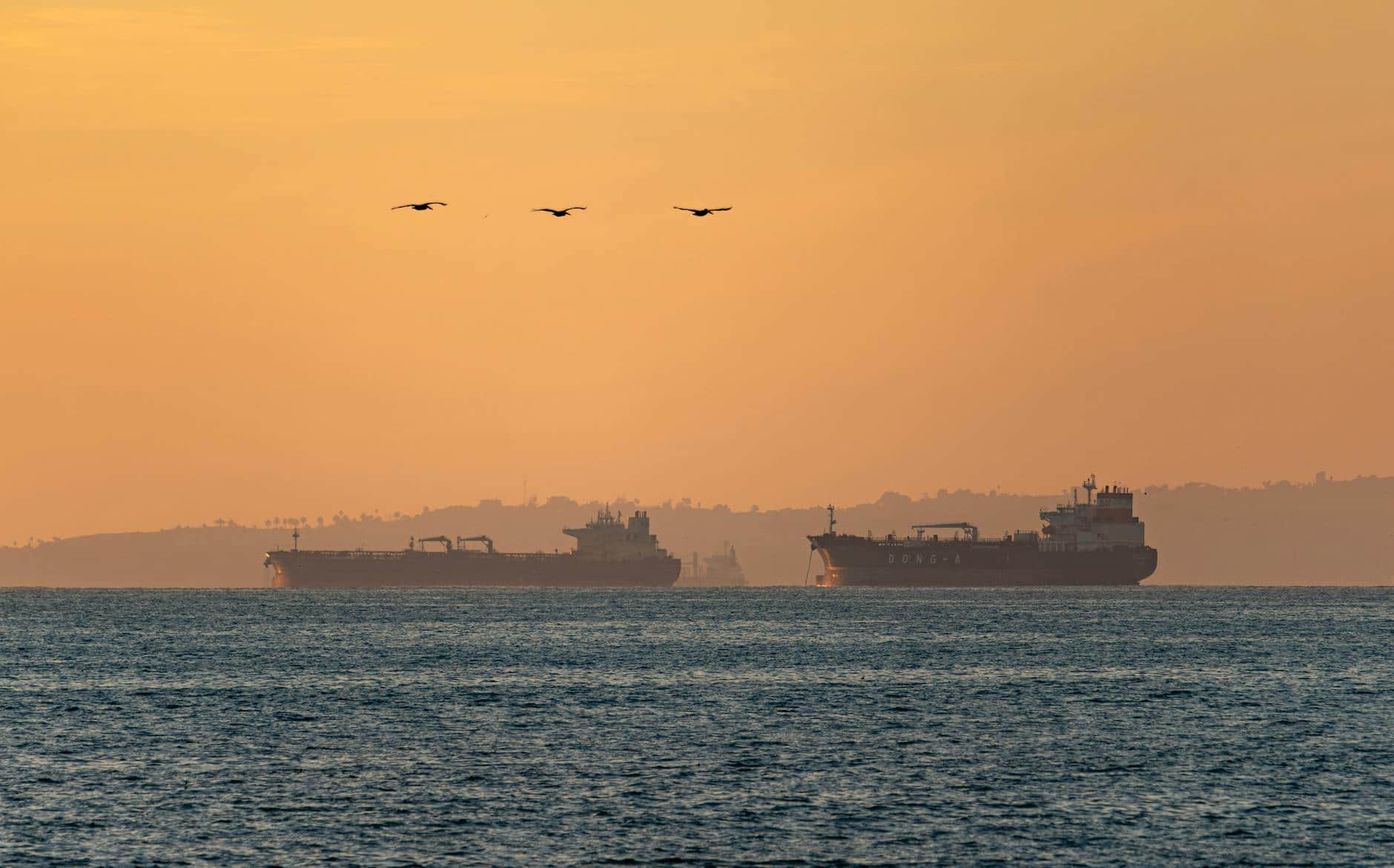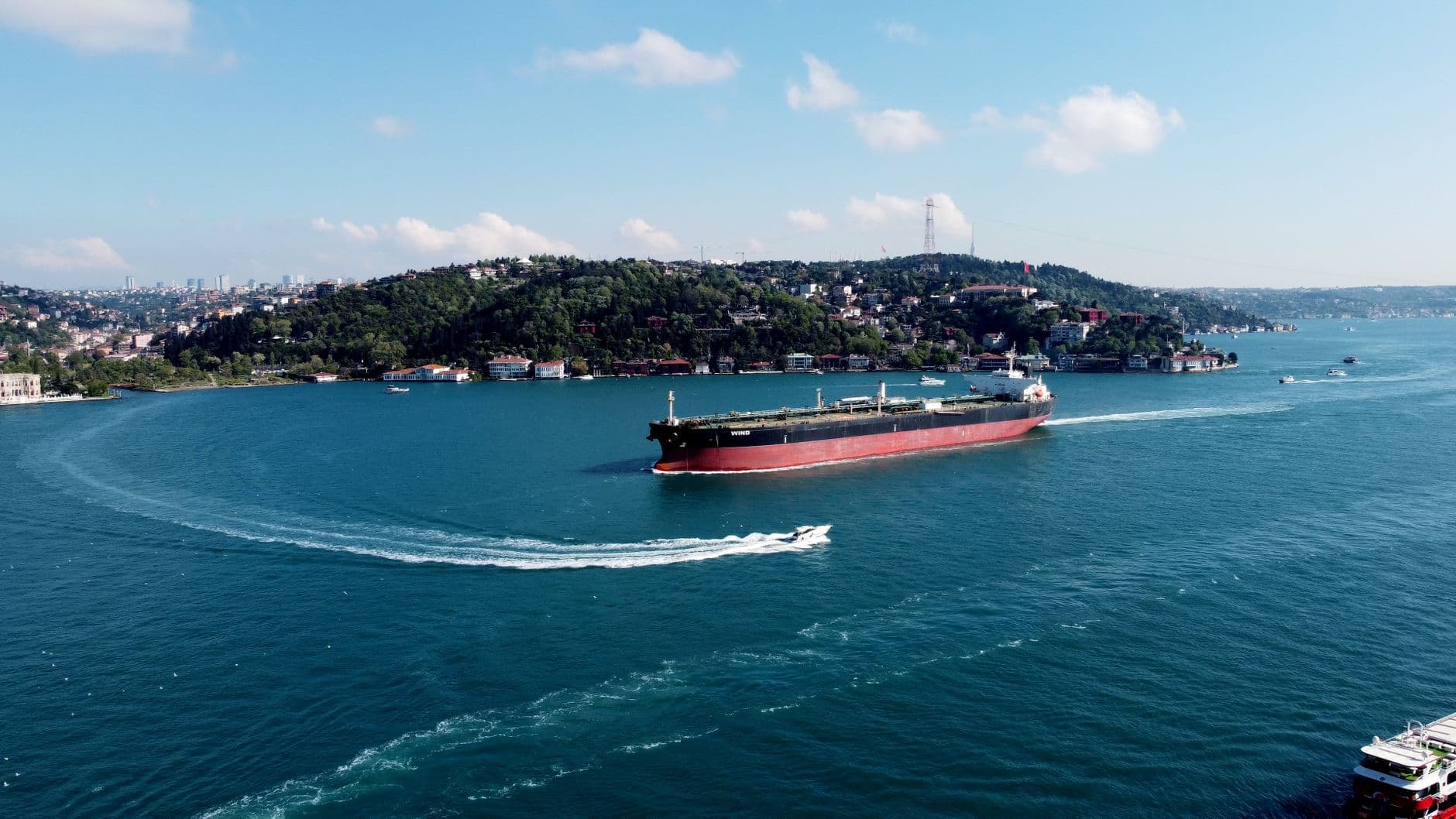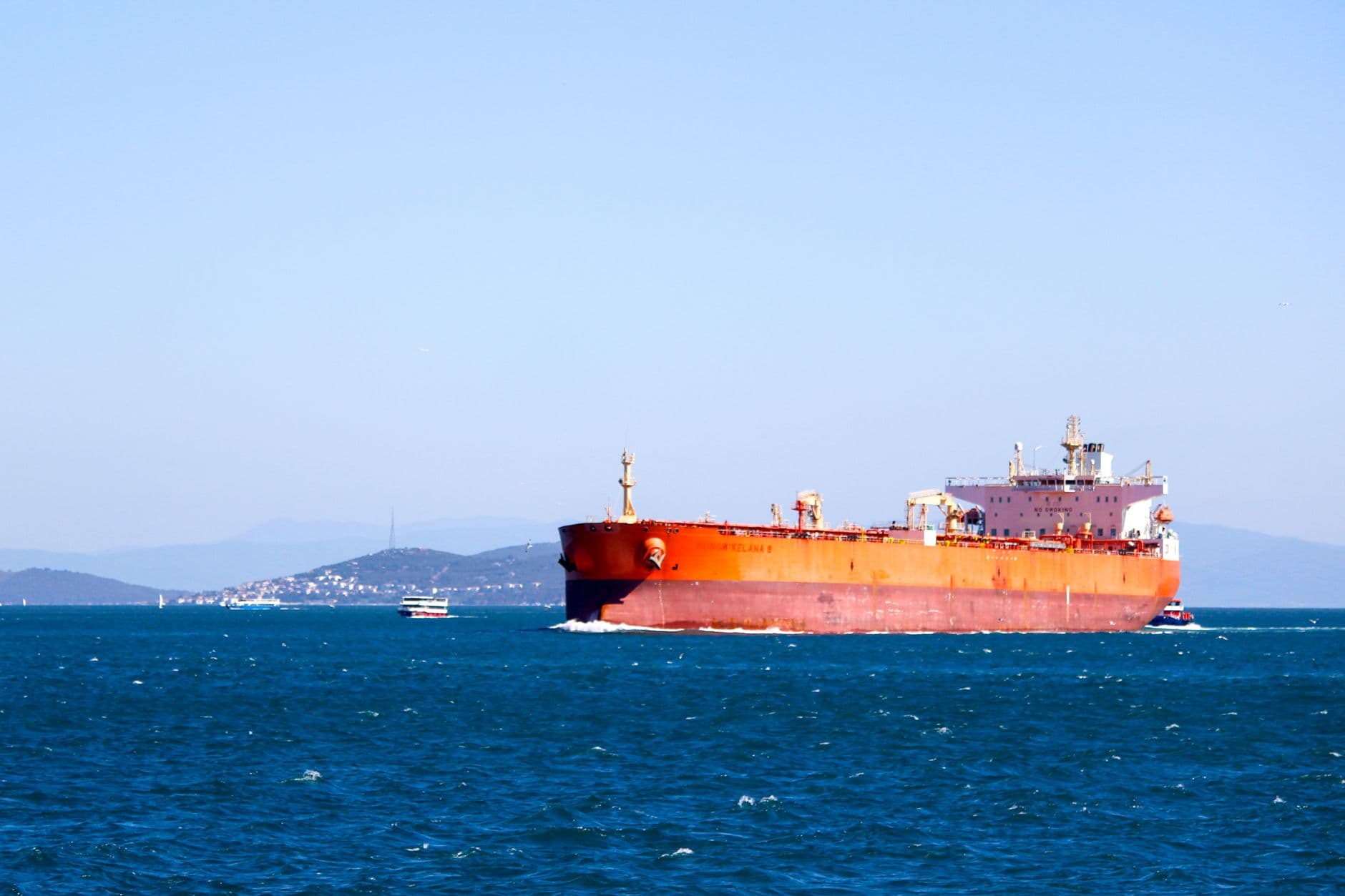
Thirteen tankers crossed the Strait of Hormuz on Wednesday. The week before, thirty-three made the journey each day.
That's according to Kpler, the trade intelligence firm tracking the world's most critical energy chokepoint . The drop followed Iranian attacks on three commercial ships this week, prompting President Trump to declare the ceasefire "over" and the U.S. to reimpose sanctions on Iranian oil . The U.S. struck more than 170 Iranian targets over two days , hitting coastal radar, air defenses, and Revolutionary Guard patrol boats. Iran responded by launching ballistic missiles at U.S. bases in Kuwait and Bahrain . Oil markets barely flinched. Jorge Leon, head of geopolitical analysis at Rystad Energy, put it plainly: "Tanker traffic through the Strait of Hormuz has essentially stopped, which tells you more about risk perception right now than any statement from Washington or Tehran."
The strait had been clawing its way back to life. Daily traffic in the past two weeks had risen to its highest levels since the war's outbreak, averaging 40 ships—still far off the pre-conflict average of 125 to 140 daily sailings . The U.S. and Iran signed a memorandum of understanding on June 17 to reopen the strait, with Tehran promising safe passage and agreeing not to charge a toll for 60 days . But the truce was always fragile. Iran demanded that ships use a northern route under its control, attacking vessels that sailed the southern route along Oman's coast protected by the U.S. By Wednesday, only five commercial ships crossed Hormuz overnight into Thursday, with no outbound tankers during that period, according to maritime intelligence firm Windward .
Can the Market Price a War That Keeps Stopping and Starting?
Oil closed Thursday at $73.15 per barrel for WTI and $74.46/bbl for Brent, according to market data—up modestly for the week but nowhere near the panic levels seen in March when the conflict began. Andy Lipow, president of Lipow Oil Associates, told clients the market is "not pricing in a complete closure of the strait" but rather "a new normal where periods of conflict (perhaps we might call them missile skirmishes) occur between periods of relative calm (or unease) that permit the transit of tankers."
That calm is expensive. Diesel refining margins in Europe jumped to a record high of over $60 per barrel on Wednesday after Russia announced a ban on diesel exports . Gasoline in Europe traded at a four-year high premium to crude of $41 per barrel, a level not seen since the summer of 2022 . In the United States, the NYMEX 3-2-1 crack spread—a proxy for refinery profitability—hit a record high of $64.58 per barrel on July 8, according to Reuters data .
The refining boom reflects a brutal reality: crude is moving again, but refined products are not. The IEA noted that refining activity and oil product shipments were slower to react to the reopening of Hormuz than crude oil exports, which combined with peak summer demand has tightened the market for refined fuels and pushed up refining profit margins to four-year highs by early July . Ukrainian drones have now hit over 16 major Russian refineries and fuel terminals, knocking out over 30% of the country's oil refining capacity . Russia's diesel export ban, announced Tuesday, is scheduled to remain in place through the end of July . Last year, Russia accounted for about 11% of global supplies of diesel, according to Bloomberg data from Vortexa .