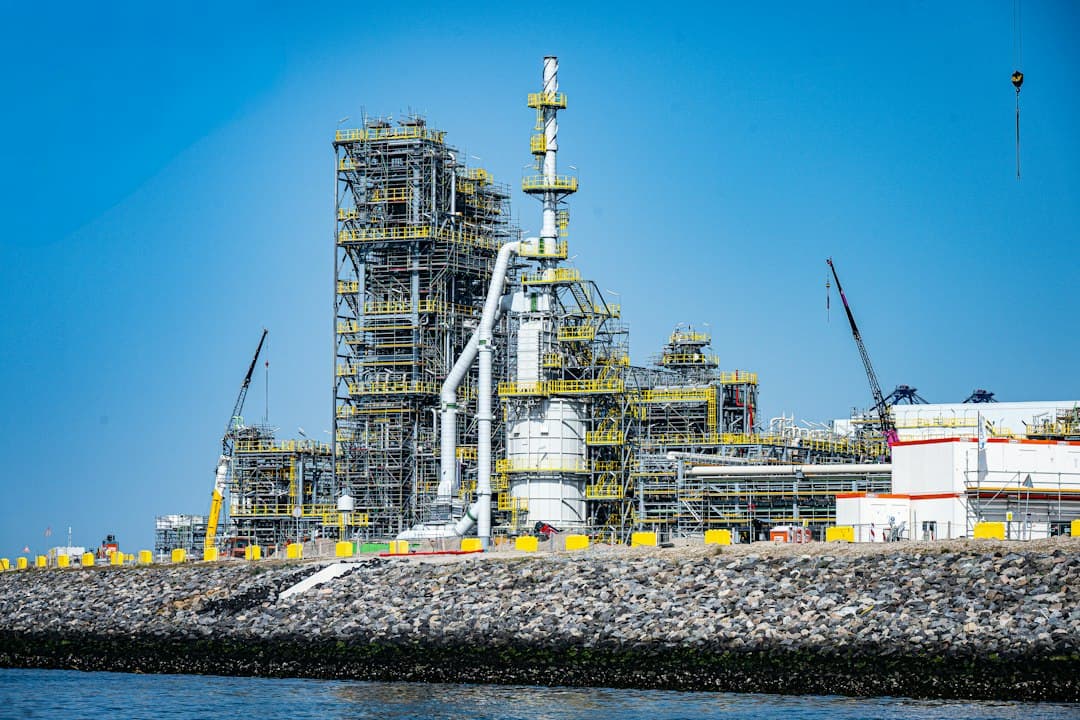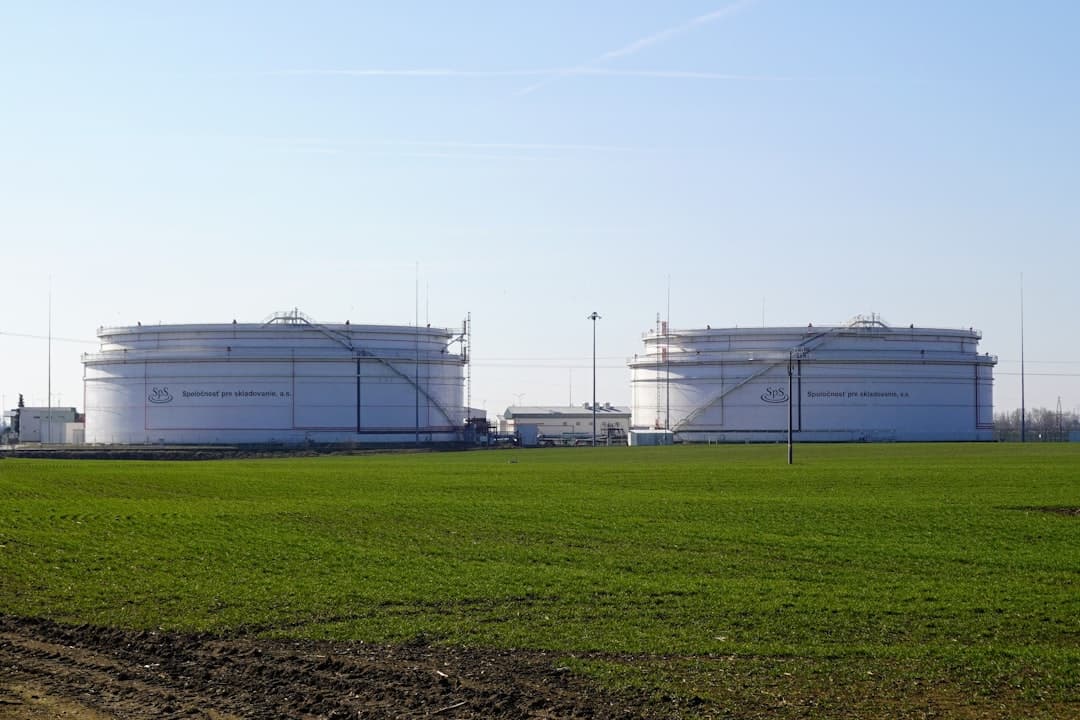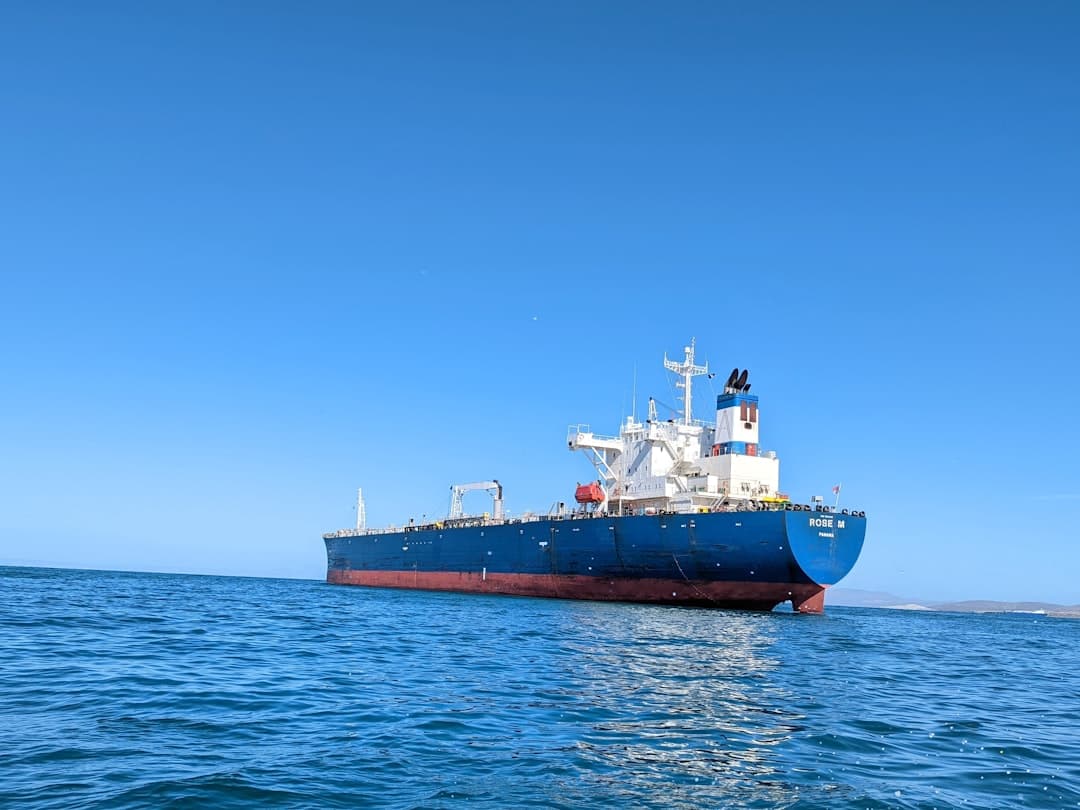
Two Iranian crude carriers now sit disabled in Gulf waters — one off Kharg Island, one near Jask. A third, empty and adrift in the Gulf of Oman, has been destroyed outright. U.S. Central Command released video of all three strikes on Saturday, retaliation for Iranian ballistic missiles fired at two American warships that, CENTCOM says, evaded every shot. CENTCOM said U.S. forces retaliated by permanently disabling two crude oil carriers, the M/T Downy off the coast of Kharg Island and the M/T Stark 1 near Jask, and destroyed a third vessel, the M/T Kylo near the Gulf of Oman.
The message was blunt. "If you shoot at two of our ships, we will impose an even higher economic cost — taking out three of yours," an admiral said, according to NBC News. It capped a week the Pentagon spent doing three things at once: fighting Iran, cutting a deal in Venezuela, and fast-tracking drilling permits in Alaska. All three moves point at the same anxiety — that the world doesn't have enough easy oil right now, and Washington cannot fully control where the next barrel comes from. The strikes matter less as a single event than as proof that, six months into this war, the fight over tankers has become a fight over prices at the pump, with midterm elections bearing down.
Those prices are already the worst on record for this weekend. GasBuddy pegged the national Labor Day average at $4.03 per gallon, 87 cents higher than in 2025, and the highest Labor Day price at the pump on record in nominal terms, surpassing the previous record of $3.82 a gallon set in 2012. AAA's own tracking ran even hotter: Labor Day weekend travelers are facing the highest gas prices ever for this time of year, with the national average at $4.14, up 4 cents from last week. Crude itself hasn't spiked nearly as much — WTI futures settled at $91.23/bbl on Thursday, down -0.48% on the session — but refining bottlenecks and the Hormuz risk premium have pulled fuel prices loose from the crude they're made from. Diesel has been the more extreme case, and Brown University's Climate Solutions Lab puts a number on the pain: Americans are paying an extra $97 billion since the Iran war started due to higher gas and diesel prices, more than $740 per U.S. household.
Vice President JD Vance was asked, plainly, when this stops costing Americans money. "I think the reality is, I don't know the answer to that question. You would have to ask the Iranians. When will the Iranians shooting at ships stop having an effect on world energy markets?" he said. It is not a confident answer, and the administration knows it — which is why the search for barrels has moved well beyond the Gulf.
The scramble for substitute oil
In Venezuela, the Pentagon has taken a 35% equity stake in North American Blue Energy Partners, the company now holding rights to fields that once belonged to state producer PDVSA. Reuters reported the U.S. structured that stake as "penny warrants" — options exercisable at a token price — specifically so Washington's position can't be diluted as the project raises fresh capital. NABEP, controlled by Venezuelan businessman Alejandro Betancourt, was granted 100-year rights to 17 oilfields holding an estimated 65 billion barrels of reserves as part of the recent deal between Washington and Caracas. The concessions went out without a competitive process, and the Pentagon also secured a right of first offer on the oil itself, buying a fifth of it at production cost rather than market price, according to the same Reuters reporting.
In Alaska, the Bureau of Land Management wants to compress permitting timelines in the National Petroleum Reserve to as little as 60 days, replacing case-by-case reviews with a standardized process for projects the agency says it has already studied. Meanwhile Citadel has been quietly shopping for shale production, Reuters reported, after the hedge fund's earlier bid for Eagle Ford producer WildFire Energy lost out to a $4.06 billion offer from Magnolia Oil & Gas — a sign that even Wall Street money now wants exposure to barrels that don't have to cross the Strait of Hormuz.
The buyer who did more than the bombs
And yet, by the account of the man who runs Russia's largest oil company, none of this scrambling did as much for prices as one country's decision to simply buy less. Speaking at a business forum in Vladivostok, Rosneft chief Igor Sechin argued that China has strengthened its position as the ultimate swing buyer on the global market and has taken the initiative from OPEC. His numbers are striking: China stabilized global oil markets by reducing crude imports by 5.5 million barrels per day this year — "without being a member of any cartel." At the peak of the Hormuz crisis in June, Sechin says Beijing slashed crude imports by up to 40% compared with pre-war levels, quietly absorbing a supply shock that might otherwise have sent crude well past its current range.
Sechin has his own reasons for making this argument — Rosneft sells heavily into China and has every incentive to talk up Beijing's market power over OPEC's, an organization he has criticized for years. But the underlying behavior is real: during the crisis, China also saw soaring EV use, a massive switch to coal, and rising shares of power generation from renewables, reducing its need for the marginal barrel just as the marginal barrel got dangerous to ship. It is a strange inversion of the usual oil-shock story. The United States is bombing tankers, buying equity in Caracas, and shaving weeks off Alaskan permits — all visible, all expensive, all justified as ways to keep the world supplied. China, meanwhile, got the same stabilizing effect by doing nothing louder than not placing an order.
That contrast is the story sitting underneath Saturday's strikes. Washington's actions are the ones making headlines and moving the Strait of Hormuz risk premium baked into every gallon of gasoline. Beijing's inaction is the one actually keeping Brent from a genuine crisis price. The tankers burning off Kharg Island make for better television. The empty slot on a Chinese refiner's order sheet is doing more of the real work — and nobody had to fire a missile to make it happen.