The International Energy Agency has characterized the Iran war and the closure of the Strait of Hormuz as the "largest supply disruption in the history of the global oil market." Yet Brent crude traded at $98.49/bbl on Tuesday, up 0.20%—elevated, but nowhere near the $200-per-barrel doomsday scenarios that dominated analyst calls in March. Shipping traffic through the Strait of Hormuz has been largely blocked by Iran since February 28, 2026, when the United States and Israel launched an air war against Iran.
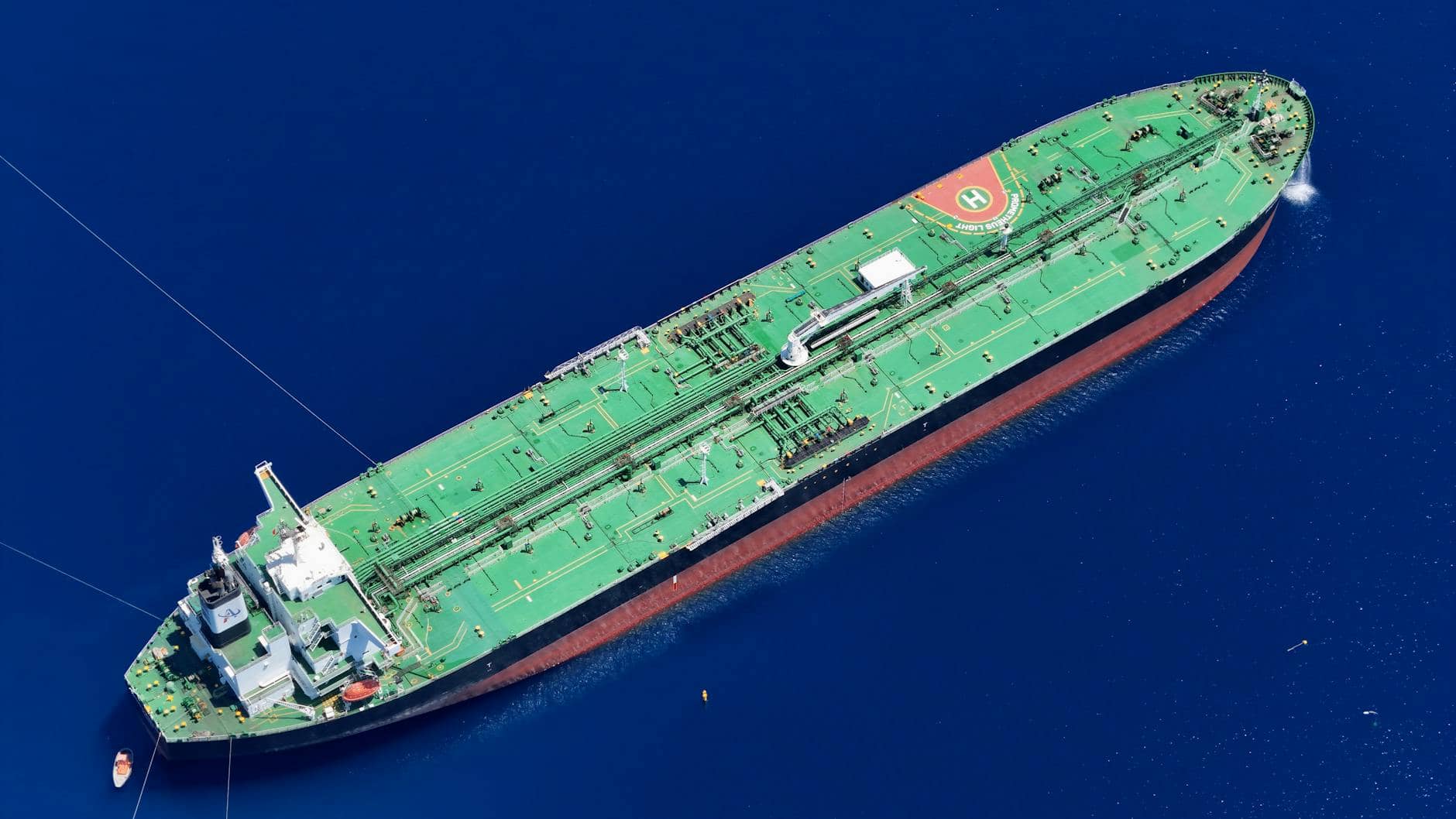
Until the war, about 25% of the world's seaborne oil trade and 20% of the world's liquefied natural gas passed through the strait.
The puzzle isn't why prices rose. It's why they haven't exploded. Global oil supply crashed by 10.1 million barrels per day in March due to attacks on energy infrastructure and restrictions on tanker traffic in the Middle East, with global oil output expected to fall by 6.9 million barrels per day year-on-year in the second quarter of 2026—its largest quarterly decline since the COVID-19 pandemic. That's roughly equivalent to losing all of Saudi Arabia's exports overnight. The answer lies in an unlikely place: China's warehouses.
How Long Can Beijing's Stockpile Last?
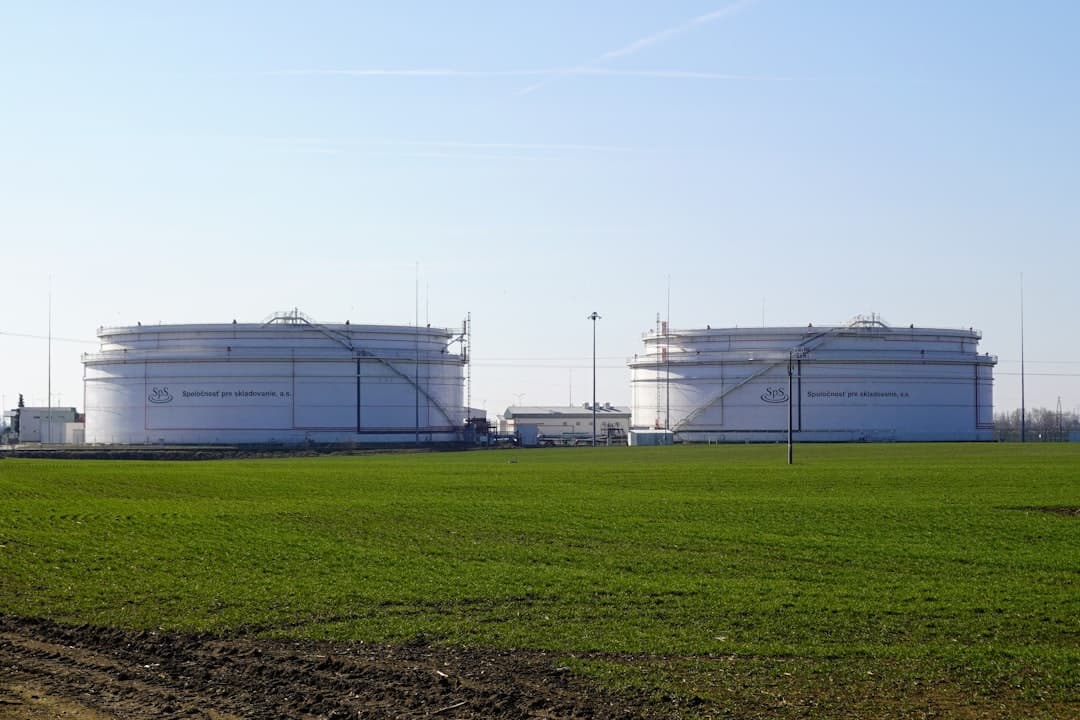
China's stockpiles are estimated at around 1.4 billion barrels, while the country's crude imports plunged 20% in April to 9.4 million barrels per day—the biggest drop since the pandemic—with data for May suggesting a steeper dive to 7 million barrels per day.
China entered 2026 with a sizable buffer after stockpiling heavily through 2025, when it was estimated to have added roughly 1 million barrels per day to storage while prices hovered near $60. That foresight now looks prescient. China has not been a consistent buyer during the disruption—it has been a source of supply, offsetting part of the loss from the Middle East by releasing stored crude into the system.
But the math is unforgiving. Even if drawdown rates quicken to two million barrels per day, the more than 200 million barrels built up since early 2025 are enough to last through mid-September.
That cushion is nearing an end—once inventories are drawn down to operational levels, China will need to return to the market to maintain refinery runs. When the world's largest crude importer stops selling and starts buying again, the fragile supply-demand balance that has kept prices from spiking could collapse in weeks.
Hamad Hussain, climate and commodities economist at Capital Economics, noted that "weakness in China's crude imports could delay the crunch point for the global oil market," though he previously estimated that Brent crude prices would hit record highs by the end of June, assuming market conditions and drawdown trends persisted.
Can Demand Destruction Hold the Line?
The other force capping prices is grimmer: people are simply using less oil because they can't afford it. The International Energy Agency has delivered a stark warning that global oil demand is now on track to contract sharply in 2026 amid the ongoing Strait of Hormuz supply shock, with what began as a geopolitical disruption morphing into a full-blown demand destruction event.
Oil demand is projected to contract by 80,000 barrels per day in 2026, with the sharpest demand cuts coming from the Middle East and Asia Pacific, according to the IEA.
The U.S. Energy Information Administration now assumes that global oil demand will increase by an average of 0.2 million barrels per day in 2026, down from an average of 0.6 million barrels per day in last month's Short-Term Energy Outlook and 1.2 million barrels per day in the February outlook.
March and April already saw demand drops of 800,000 barrels per day and 2.3 million barrels per day, respectively, hitting naphtha, LPG, and jet fuel hardest in the Middle East and Asia-Pacific.
The Financial Times reported that the oil industry faces a "gruesome" demand shock from the Iran crisis, with prospects for a rapid and full reopening of the Strait of Hormuz looking bleak. March saw 1.75 million electric vehicles sold globally, up 66% from February and 3% year over year, correlating with rising gas prices, according to Benchmark Mineral Intelligence data. If high prices are accelerating the shift to EVs, some of this demand destruction may prove permanent.