Wednesday, May 13, 2026Vol. III · No. 133Subscribe
The Mining, Energy & Technology Wire
Oil & Gas · Analysis

Gulf Gas Crisis Deepens as Prices Soar

The UAE's largest gas facility won't return to full capacity until 2027 following Iranian attacks, while copper hits record highs and the US becomes the world's oil supplier of last resort amid the worst energy disruption in history.

Gulf Gas Crisis Deepens as Prices Soar
PhotographThe UAE's largest gas facility won't return to full capacity until 2027 following Iranian attacks, while copper hits record highs and the US becomes the world's oil supplier of last resort amid the worst energy disruption in history.

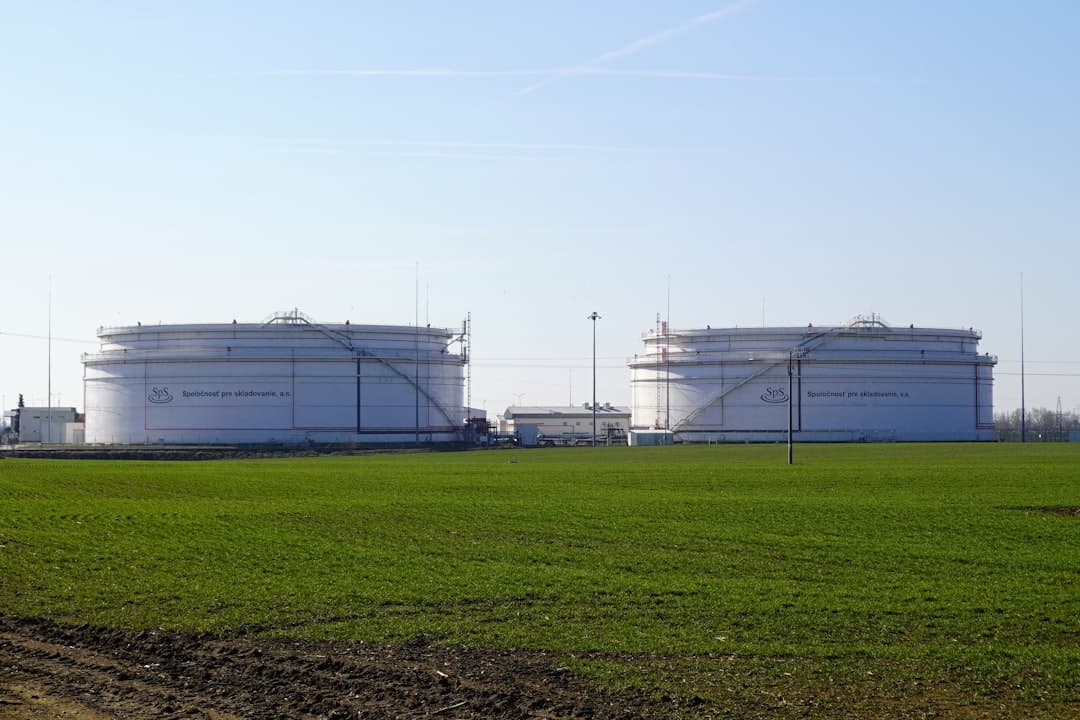
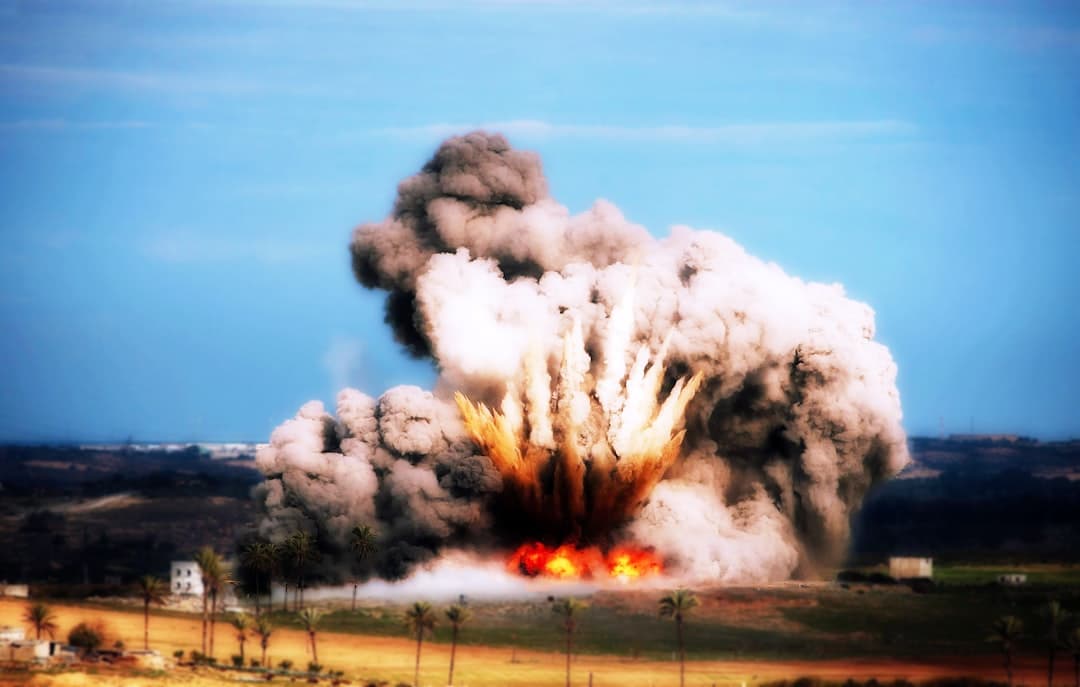
The UAE's Habshan gas complex will remain below full capacity until 2027 after being targeted several times by Iranian attacks during the regional war, with production currently operating at just 60% capacity , according to the Financial Times. The facility was forced to halt production on at least three occasions after debris from intercepted missiles and drones sparked fires .

The damage to what is one of the largest gas processing facilities in the Middle East and North Africa, with a processing capacity of 6.1 billion cubic feet a day , highlights the lasting impact of the conflict on Gulf energy infrastructure. The Habshan complex comprises five plants with a total capacity of 6.1 billion standard cubic feet per day , making it critical to the UAE's domestic gas supply and export operations.

The prolonged recovery timeline underscores a broader crisis reshaping global energy markets. According to market data, WTI crude traded at $71.50 per barrel on Tuesday, up 0.6%, while Brent crude stood at $75.20 per barrel, up 0.5%. Natural gas prices at Henry Hub fell 2.4% to $3.25 per MMBtu.

Can the US Fill the Supply Gap?

Over the past nine weeks, more than 250 million barrels of crude from oil wells and storage tanks across the US have been shipped overseas, making the country once again the No. 1 exporter of crude, overtaking Saudi Arabia , Bloomberg reported. US crude oil exports since the start of April have been running at 5.2 million barrels daily , according to data from Kpler.

But the surge comes at a cost. Combined US reserves of crude and oil products have dropped by 52 million barrels in four straight weeks of declines , according to government data. US distillate stockpiles were at their lowest point since 2005 at the end of last week, while gasoline stockpiles were hovering near their lowest seasonal levels since 2014 , Fortune reported.

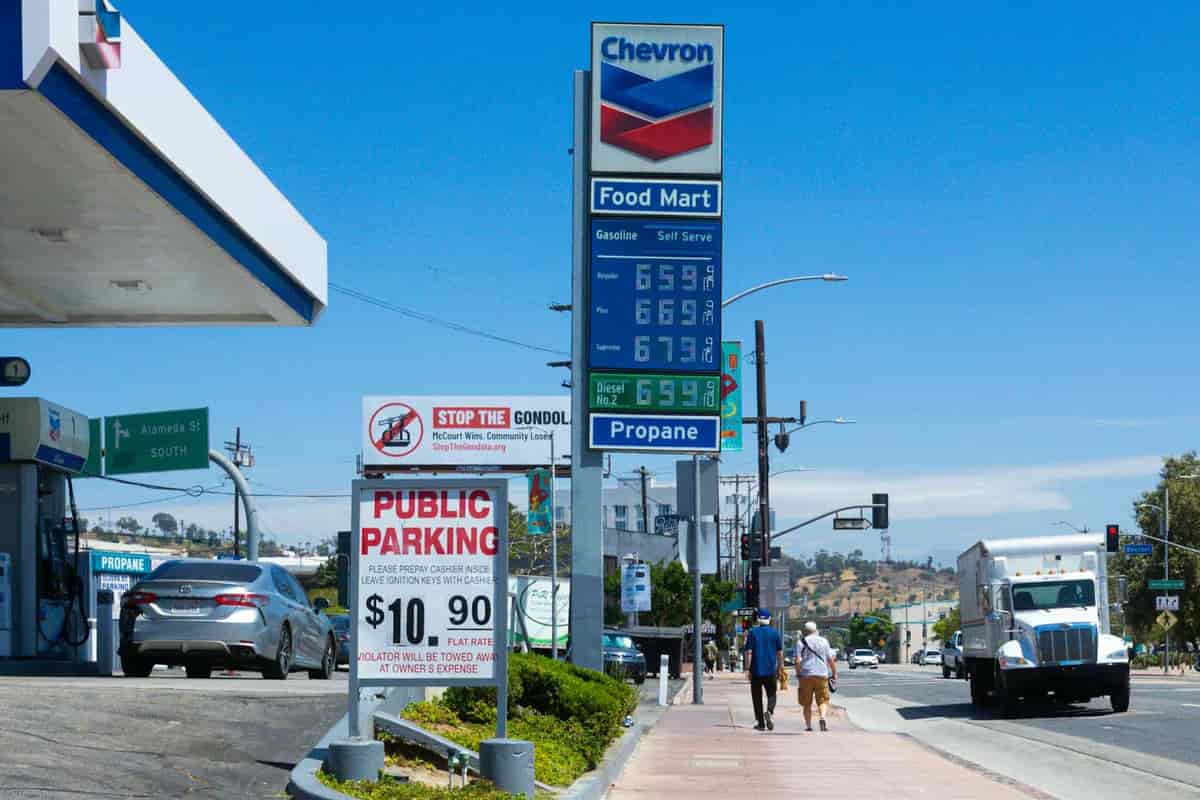
The United States is acting as the world's "supplier of last resort" amid major Middle East disruptions—but cannot fully replace lost supply, and higher exports push up domestic fuel prices , according to OilPrice.com. The political pressure is mounting: the American Automobile Association said the national average gas price is $4.50, up more than 20 cents since the end of April .

What's Driving Trump's Gas Tax Proposal?

President Trump endorsed suspension of the federal gasoline tax in an interview with CBS News Monday, saying "we're going to take off the gas tax for a period of time, and when gas goes down, we'll let it phase back in" , Axios reported. The move marks a reversal for the White House, which had previously told reporters the suspension was not under consideration.

A gas tax holiday is a temporary suspension of the federal gas tax, currently set at 18.4 cents per gallon on gasoline and 24.4 cents per gallon on diesel fuel , according to WRAL. But experts are skeptical about the impact. If the federal levy is suspended, gas prices will fall an average of 13.2 cents a gallon, and a household filling a 15-gallon tank once a week between June 1 and October 1 would save a total of about $35 , according to a Penn Wharton analysis.

Retailers and other players in the supply chain typically don't pass along all of those savings to consumers , the Penn Wharton Budget Model found. "The actual benefit to consumers is going to be pretty small," said Kent Smetters, faculty director at Penn Wharton .

Why Are Copper Prices Breaking Records?

Copper extended its rise on Tuesday and is now closing in on a fresh all-time high, with prices in London rising another 2%, briefly touching $14,000 per tonne before paring gains—the first time copper had risen above that level since reaching a peak of $14,500 per tonne in January , according to Mining.com.

MarketWatch reported that the ongoing conflict has disrupted shipments of sulphuric acid, a key input in copper refining, adding to supply-side risks . China has announced it will halt exports of sulfuric acid from May to protect its domestic supply, which could create further tightness in the copper market, given that approximately 15% of global copper production is directly reliant on sulfuric acid availability , according to J.P. Morgan.

The metal, often viewed as a bellwether for the global economy, has picked up momentum in recent weeks amid a confluence of tailwinds, such as a recovery in demand from top consumer China, with data showing that China's copper inventory has been declining, a sign of demand picking up , Mining.com reported.
How Bad Is the Aluminium Crisis?

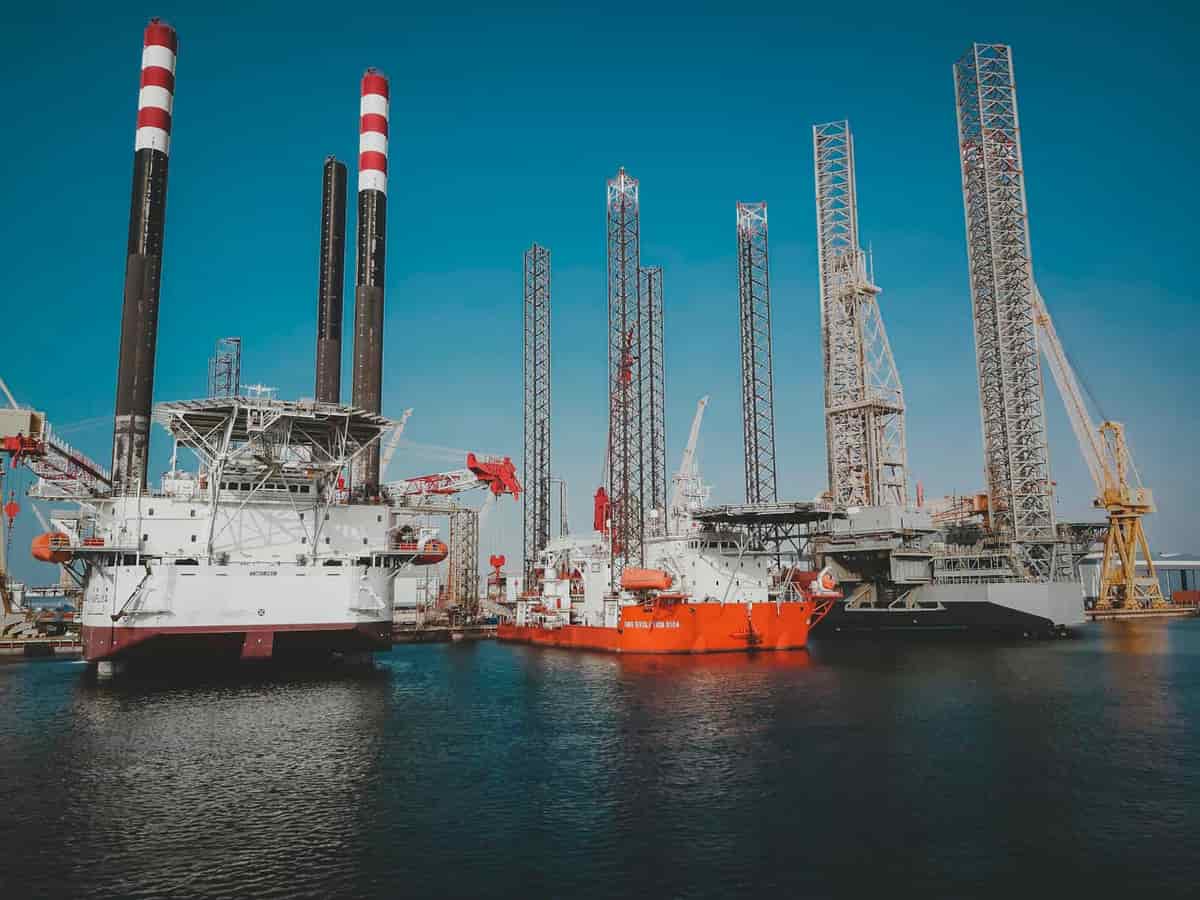
Operational shutdowns and logistics disruption across Gulf smelters could keep aluminium prices near $4,000 per tonne , according to Mining Technology. Wood Mackenzie says the conflict is triggering a critical supply chain crisis for aluminium, which could remove 3.5 million tonnes of output in 2026, with disruptions to securing raw materials and delays in shipping facing lasting instability .

Emirates Global Aluminium's Al Taweelah facility, one of the largest single-site aluminium smelters in the world, declared force majeure on outbound shipments following missile strikes on March 28, 2026, with full restoration estimated to take up to 12 months , according to market analysis. Qatalum in Qatar is operating at 60% of capacity , Wood Mackenzie reported.

"The Strait of Hormuz is effectively a chokepoint for the global aluminium market. Disruptions here could cut off up to 60% of alumina supply to Middle Eastern smelters, rapidly deepening the market deficit," said Charvi Trivedi, Principal Analyst at Wood Mackenzie .

Where Are Iran's Oil Exports Now?

Oil shipments from Iran's main export terminal appear to have come to a standstill over the past several days, according to satellite images, the first sign of a prolonged halt since the start of the war , Bloomberg reported. There were no ocean-going oil tankers observed at Kharg Island on May 8, 9 or 11, and while there have been individual days when the jetties have been empty since the conflict began, this is by far the longest stretch when no tankers have been spotted .

Kharg Island handles roughly 90% of the country's crude exports and has a loading capacity of about 7 million barrels per day, making it a critical gateway for Tehran's energy revenue , according to CNBC. The number of very large crude carriers has risen from just three on April 11, two days before Washington imposed its blockade, to at least 18 tankers of various sizes by May 11 , satellite data shows.

What Changed This Week

The energy crisis entered a new phase as the full extent of infrastructure damage became clear. The UAE's acknowledgment that its largest gas facility won't recover until 2027 signals that supply disruptions will persist far longer than markets initially anticipated. Meanwhile, copper's approach toward record highs reflects both supply chain disruptions and surging demand from AI infrastructure and electrification. The US has emerged as the critical swing supplier, but domestic inventories are falling rapidly, creating political pressure that prompted Trump's gas tax proposal. Iran's Kharg Island showing its first prolonged halt in tanker activity suggests the blockade is tightening, though the country continues using floating storage to manage production.

What to Watch

Congressional action on the federal gas tax suspension will be critical, with multiple bills now circulating on Capitol Hill. Sen. Josh Hawley's Gas Tax Suspension Act would pause the tax for 90 days from enactment with the option for the president to extend the holiday by an additional 90 days, while Sen. Mark Kelly's bill would drop the federal tax on gasoline until October 1, 2026 . Watch for weekly US inventory data from the Energy Information Administration, which will show whether the drawdown in crude and product stocks continues. Copper market participants will be monitoring China's sulfuric acid export ban implementation in May and any signs of demand destruction at current price levels. For natural gas, the recovery timeline at Habshan and other Gulf facilities will determine how long regional supply constraints persist. Finally, satellite monitoring of Kharg Island will indicate whether Iran can resume meaningful export operations or if the US blockade continues to choke off shipments.

Coverage aggregated and synthesized from leading energy-sector publications. See linked sources within the article.

Share this story

More from Stake & Paper

Was this article helpful?

ClaimWatch

Mining claims intelligence — from query to report, in minutes.

Every unpatented mining claim across all twelve BLM states. Leadfile audits, due diligence, site selection, regional prospecting, entity investigations, and AOI monitoring — delivered as complete report packages.

4.4M+
Claims Tracked
12
BLM States
7
Report Types
Request a Sample Report
Stake & Paper AM

One morning brief. The whole energy sector.

Original analysis, the day's most important wire stories, and market data — delivered before your first cup of coffee. Free.