Wednesday, May 13, 2026Vol. III · No. 133Subscribe
The Mining, Energy & Technology Wire
Oil & Gas · Analysis

Gulf Gas Crisis Deepens Into 2027

The UAE's damaged Habshan gas facility won't return to full capacity until 2027, while copper hits record highs and Trump floats a federal gas tax holiday as pump prices surge past $4.50 per gallon.

Gulf Gas Crisis Deepens Into 2027
PhotographThe UAE's damaged Habshan gas facility won't return to full capacity until 2027, while copper hits record highs and Trump floats a federal gas tax holiday as pump prices surge past $4.50 per gallon.

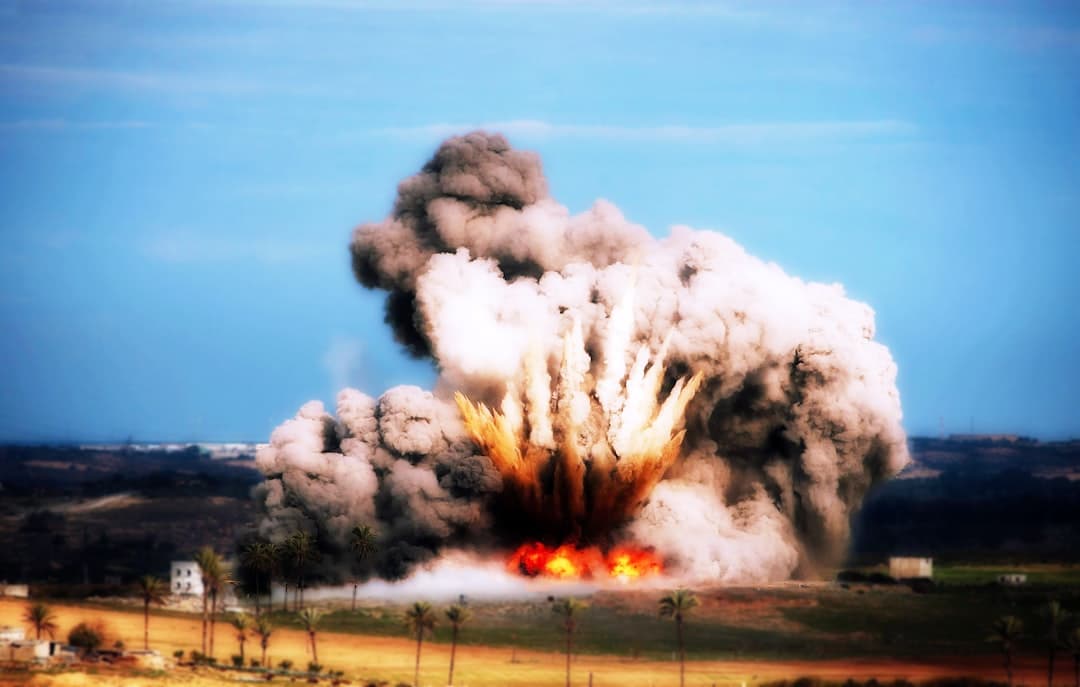
The UAE's Habshan gas complex, hit multiple times by Iranian attacks during the regional war, will remain below full capacity until 2027, operating at just 60 percent capacity after wartime attacks and fires , according to the Financial Times. Debris from a successful missile interception on April 3 caused damage to the facility and killed an Egyptian national while injuring four others , marking one of the most severe infrastructure disruptions in the Gulf energy sector.

The Habshan complex is one of the largest gas processing facilities in the UAE and the wider Middle East and North Africa, operated by Abu Dhabi National Oil Company with a processing capacity of 6.1 billion cubic feet a day . The extended timeline for repairs underscores the lasting impact of the conflict on Gulf energy exports, even as ceasefire negotiations continue.

Can the U.S. Energy Information Administration's Revised Forecasts Keep Pace With Reality?

The U.S. government's energy forecasting arm dramatically revised its Middle East disruption estimates this week, acknowledging the crisis is far worse than previously projected. The EIA estimates some 10.5 million barrels of oil output was shut in across the Middle East in April, which will rise to a peak of 10.8 million bpd this month as Middle Eastern storage tanks hit maximum capacity , according to Reuters.

The EIA now assumes the Strait of Hormuz will be effectively closed through the end of May, moving back its earlier assumption that the closure would last through April . Brent crude oil prices will average around $106 per barrel in May and June, before declining to average around $89 a barrel in the fourth quarter of this year as Middle East production starts to recover , the agency said.

The revisions came alongside demand downgrades. Global oil demand will now increase by about 200,000 bpd this year, down from last month's forecast of 600,000 bpd of growth , the EIA reported. Market data shows WTI crude trading at $71.50 per barrel on Tuesday, up 0.6 percent, while Brent crude stood at $75.20 per barrel, up 0.5 percent.

Why Are Physical Crude Premiums Collapsing Despite the Hormuz Crisis?

In a paradox that has puzzled traders, physical crude oil prices have crashed from stratospheric levels even as the Strait of Hormuz remains largely shut. The price of physical crude has collapsed in recent weeks from premiums of over $30 per barrel above the Brent benchmark in early April, to near-parity or even at small discounts in the May buying cycle window , OilPrice.com reported.

The collapse reflects a dramatic shift in refiner behavior rather than any easing of the supply crisis. China's crude oil imports slumped by 20 percent, or by 2.4 million barrels per day, in April from a year earlier, with imports pegged at 9.25 million bpd in April 2026, the lowest level since July 2022 , according to official data cited by OilPrice.com.

Analysts warn this reprieve could be too short-lived, and physical prices could begin soaring again very soon as the peak refinery run season approaches and the buffers in the market are being exhausted amid a lack of resolution to the Hormuz blockage . The temporary relief masks a deeper structural problem: refiners are drawing down inventories and cutting run rates rather than paying elevated prices, a strategy that cannot continue indefinitely.

Will a Federal Gas Tax Holiday Provide Real Relief?

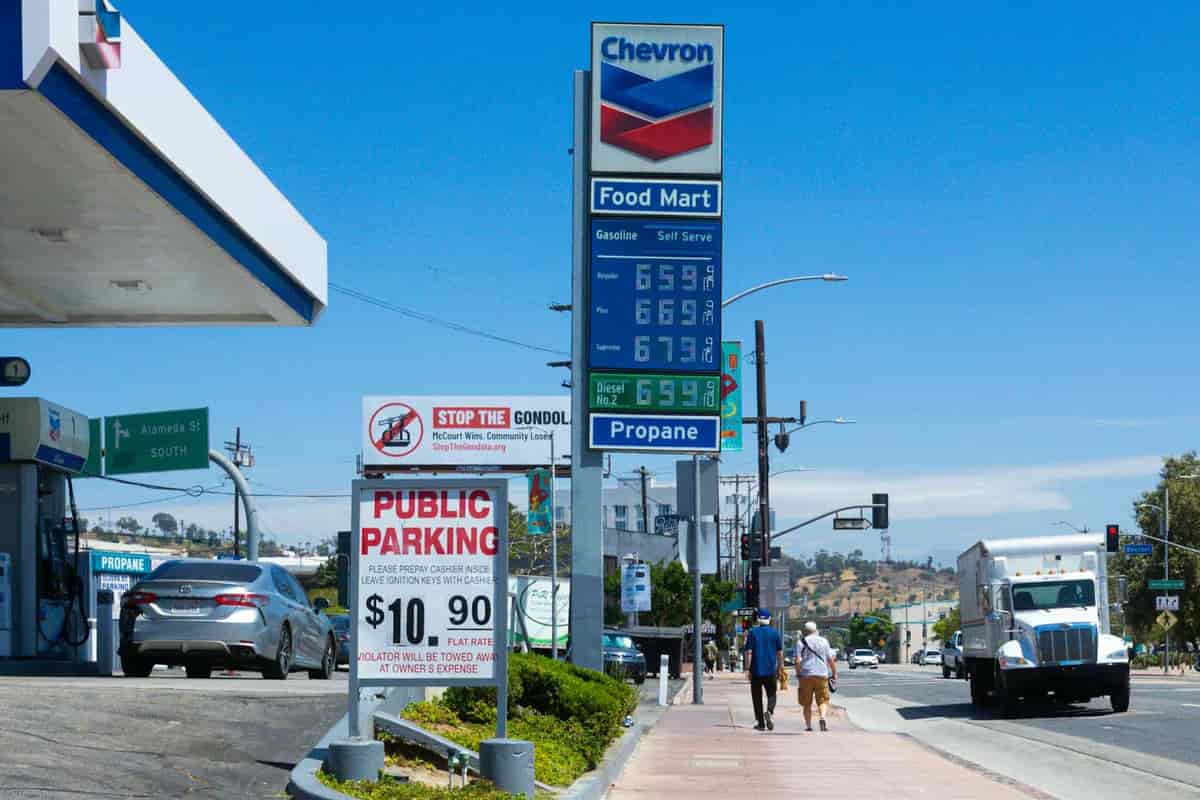
President Trump endorsed suspending the federal gasoline tax on Monday as retail prices climbed past politically dangerous levels. "We're going to take off the gas tax for a period of time, and when gas goes down, we'll let it phase back in," Trump told CBS News , according to Axios.

Gas prices in the U.S. currently sit at about $4.52 per gallon, according to AAA's national average, approaching the highest recorded average price of $5.02 in June 2022 , CNBC reported. A gas tax holiday is a temporary suspension of the federal gas tax, currently set at 18.4 cents per gallon on gasoline and 24.4 cents per gallon on diesel fuel, which provides more than $23 billion per year in revenue for federal highway and public transit programs .

But experts are skeptical about the actual relief drivers would see. If the federal levy is suspended, gas prices will fall an average of 13.2 cents a gallon, with a household filling a 15-gallon tank once a week between June 1 and October 1 saving a total of about $35, according to Penn Wharton analysis, with faculty director Kent Smetters noting "the actual benefit to consumers is going to be pretty small" .
Copper Nears Record High as Supply Disruptions Compound

While oil markets grapple with Middle East disruptions, copper prices are approaching all-time highs driven by their own supply crisis. Copper jumped above $14,000 a ton, closing in on a record high as a rebound in Chinese demand and mounting supply risks outweigh concerns about the Iran war's impact on global growth , Bloomberg reported Monday.

On May 11, 2026, LME copper settled at $13,943 per metric ton, surpassing the previous closing record of $13,618 per metric ton set on January 29, 2026 , according to Discovery Alert. MarketWatch noted that copper refining now faces its own Strait of Hormuz problem, as the conflict disrupts shipments of sulfuric acid, a key input for copper mining processes.

Copper extended its rise on Tuesday and is now closing in on a fresh all-time high, with prices in London rising another 2 percent, briefly touching $14,000 per ton before paring gains, marking the first time copper had risen above that level since reaching a peak of $14,500 per ton in January , Mining.com reported.

Natural Gas Markets Show Regional Divergence

U.S. natural gas markets displayed mixed signals as traders assessed regional supply dynamics. According to Natural Gas Intel, Henry Hub natural gas traded at $3.25 per MMBtu, down 2.4 percent on Tuesday, per market data. Natural Gas Intel reported that June NYMEX natural gas futures failed to extend Monday's rally, tumbling after short covering faded and weak near-term fundamentals reasserted control of the market.

The divergence between U.S. gas prices and international LNG markets has widened dramatically due to Middle East disruptions. The EIA noted that global LNG prices remain elevated as a result of reduced flows through the Strait of Hormuz, creating a wide spread between U.S. domestic natural gas prices and international markets.

What Changed This Week

The energy landscape shifted on multiple fronts as the UAE confirmed its largest gas facility won't recover until next year, the U.S. government acknowledged Middle East supply losses are worse than previously estimated, and President Trump embraced a gas tax suspension that experts say would provide minimal relief. Physical crude markets showed temporary reprieve as refiners pulled back from elevated prices, but analysts warn the calm may be fleeting as inventory buffers thin ahead of summer demand. Copper's surge past $14,000 per ton underscored how supply disruptions are rippling across commodity markets beyond oil and gas.

What to Watch

The EIA's assumption that the Strait of Hormuz will begin reopening in late May represents a critical inflection point for global energy markets. Trump's gas tax proposal requires congressional action, with Senator Josh Hawley introducing legislation for a 90-day suspension and Democrats having already proposed a suspension through October. Copper traders will be monitoring whether Chinese demand continues its recent rebound and whether sulfuric acid supply disruptions worsen. For natural gas, the approach of summer cooling demand and the continued ramp-up of U.S. LNG export capacity will test whether domestic prices can remain subdued while international markets stay elevated. The next EIA inventory report and any developments in U.S.-Iran negotiations will likely drive volatility across energy markets in the coming weeks.

Coverage aggregated and synthesized from leading energy-sector publications. See linked sources within the article.

Share this story

More from Stake & Paper

Was this article helpful?

ClaimWatch

Mining claims intelligence — from query to report, in minutes.

Every unpatented mining claim across all twelve BLM states. Leadfile audits, due diligence, site selection, regional prospecting, entity investigations, and AOI monitoring — delivered as complete report packages.

4.4M+
Claims Tracked
12
BLM States
7
Report Types
Request a Sample Report
Stake & Paper AM

One morning brief. The whole energy sector.

Original analysis, the day's most important wire stories, and market data — delivered before your first cup of coffee. Free.