Tuesday, May 12, 2026Vol. III · No. 132Subscribe
The Mining, Energy & Technology Wire
Oil & Gas · Analysis

Gulf War Damage Reshapes Energy Markets

UAE's largest gas facility won't fully recover until 2027 from Iranian attacks, while oil majors return to Alaska and crude prices surge past $100 on fragile ceasefire talks.

Gulf War Damage Reshapes Energy Markets
PhotographUAE's largest gas facility won't fully recover until 2027 from Iranian attacks, while oil majors return to Alaska and crude prices surge past $100 on fragile ceasefire talks.

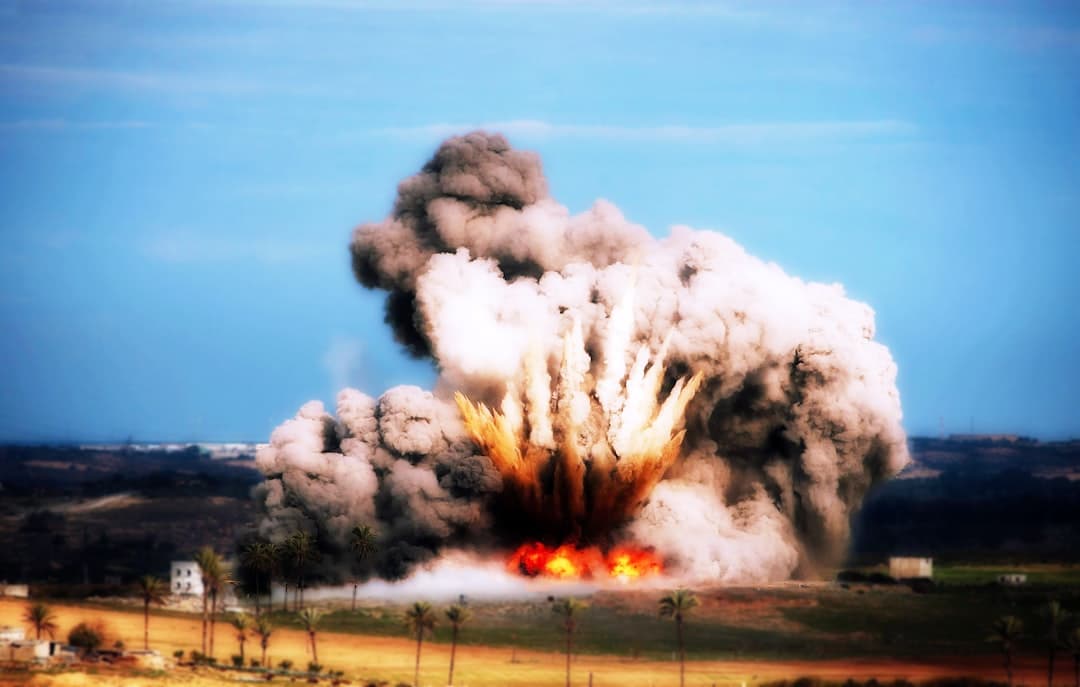
The UAE's Habshan gas complex, targeted several times during the regional war by Iranian attacks, will remain below full capacity until 2027, with production currently operating at 60% capacity after wartime attacks and fires , according to the Financial Times. The complex is one of the largest gas processing facilities in the UAE and the wider Middle East and North Africa, operated by Abu Dhabi National Oil Company with a processing capacity of 6.1 billion cubic feet a day .

The lasting damage underscores how deeply the Middle East conflict has disrupted global energy infrastructure. Saudi Aramco CEO Amin Nasser warned that the market is losing roughly 100 million barrels of supply each week, adding that prolonged disruptions could push any market normalization into next year , according to Trading Economics.

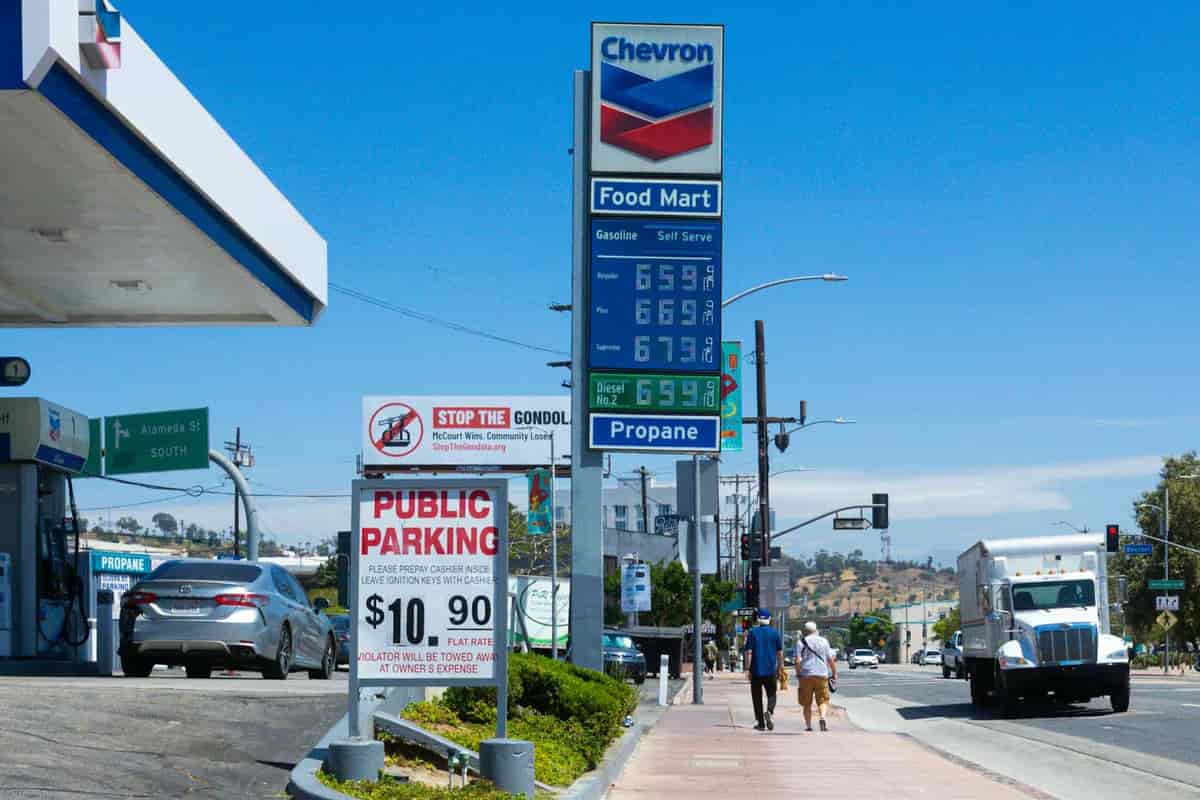
According to market data, WTI crude traded at $71.50 per barrel on Monday, up 0.6%, while Brent crude stood at $75.20 per barrel, up 0.5%. However, international benchmark Brent crude futures for July gained 3.3% to $107.65 a barrel, while U.S. West Texas Intermediate futures for June rose 3.5% to $101.51 per barrel , CNBC reported Monday. Brent crude futures remained above $94 per barrel after President Donald Trump said the US-Iran ceasefire was on "massive life support" after dismissing Tehran's latest peace proposal, fueling concerns that the Strait of Hormuz may stay effectively closed for an extended period .

Oil Majors Return to Alaska's Arctic

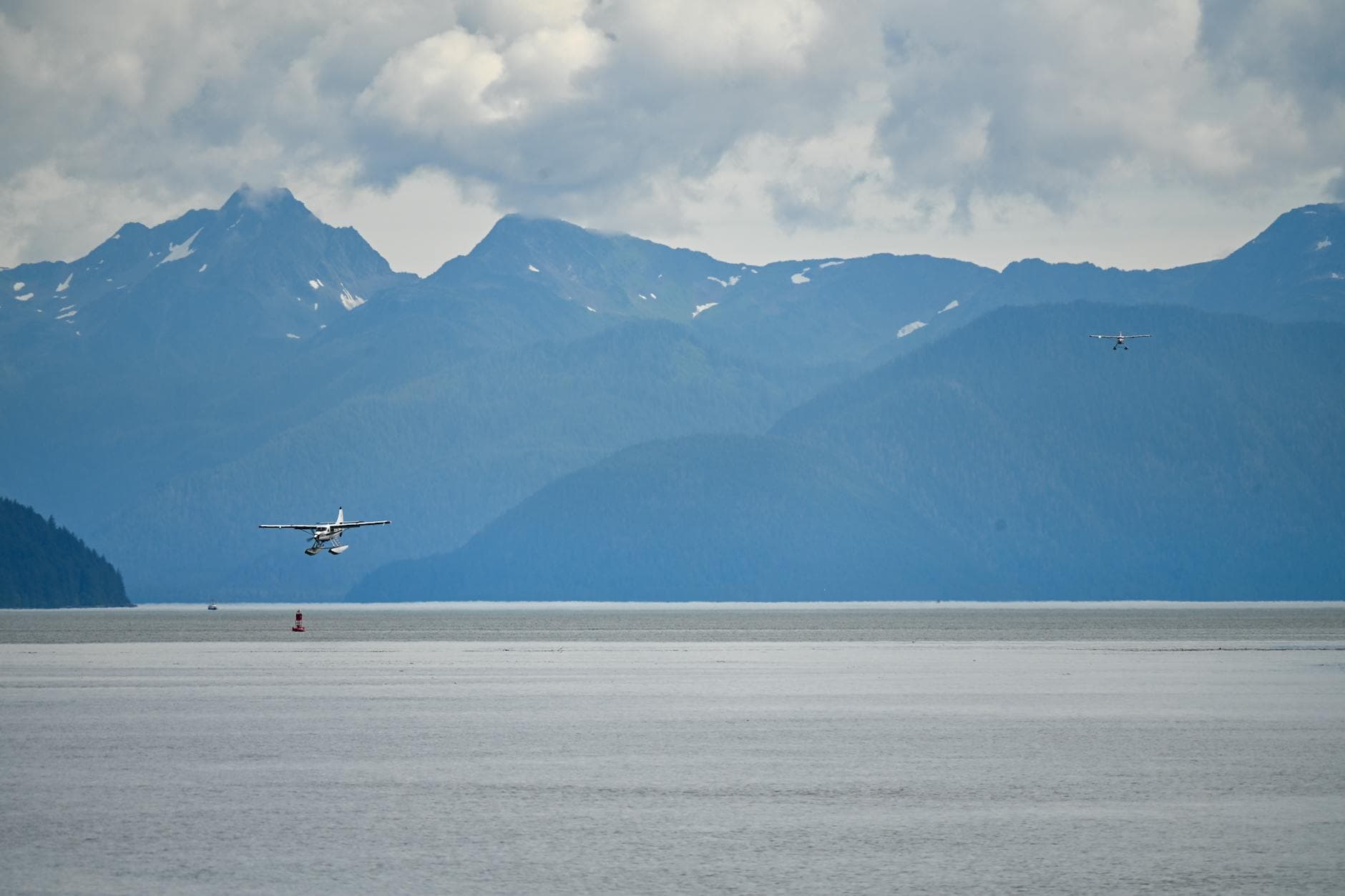
In a dramatic reversal, ExxonMobil, Shell and Repsol, as well as other major companies, bid a record $163 million in March for leases in the National Petroleum Reserve of Alaska, with the return of Exxon and Shell marking the end of a nearly decade-long hiatus in the region , the Financial Times reported Monday. Shell no longer operates in the state and hasn't drilled a well in Alaska since its failed offshore exploration campaign more than a decade ago, and ExxonMobil hadn't bid on leases in years , according to the Anchorage Daily News.

Bill Armstrong, an independent U.S. oil prospector, told the Financial Times that "this is the hottest play in the world right now" , crediting the Trump administration for reopening the door to drilling and exploration in Alaska. The sale was the first of at least five mandated by President Donald Trump's tax cut and spending bill, with his administration seeking to expand domestic oil and gas production and reverse Biden-era restrictions on drilling in the Alaska reserve , according to Mining Weekly.

U.S. LNG Exports Surge on New Deals

Venture Global announced the execution of two binding agreements with TotalEnergies and Vitol for the purchase of additional U.S. liquefied natural gas, including a new agreement with TotalEnergies for the purchase of approximately 0.85 MTPA of LNG for approximately five years commencing in 2026 , according to a company statement Monday. Separately, Venture Global and Vitol agreed to increase their existing five-year binding LNG agreement to 1.7 MTPA, up from 1.5 MTPA previously agreed and announced in March 2026 .

Bloomberg reported that the Virginia-headquartered company's shares surged on the news, which came as the firm also raised its full-year guidance. The deals come as Middle East supply disruptions have tightened global LNG markets, with approximately 20% of global LNG capacity offline in Qatar and Abu Dhabi, with roughly 13 million tons, or 3%, of global production, likely to remain offline for several years , according to Venture Global's earnings call transcript.
Brazil Doubles Oil Exports to China

Brazil more than doubled the volume of its oil exports to China, with export values also nearly doubling, in the first quarter of 2026 from a year earlier, as the Middle East conflict and the closed Strait of Hormuz are re-arranging global commodity flows, with the value of Brazil's crude oil exports to China surging by 94.6% to $7.2 billion in the first quarter , OilPrice.com reported Monday.

The main reason, cited by producers and geopolitical experts, is the ease of shipping Brazilian oil compared with oil leaving the Persian Gulf, as the war in the Middle East led Iran to close the Strait of Hormuz, through which most oil from Arab countries passes , according to China Daily. As China, and Asia as a whole, lost a major crude supply stream from the Middle East due to the closed Strait of Hormuz, buyers turned to alternatives in the latter part of the first quarter to partly offset the worst supply disruption in the history of oil markets .

Asia Turns to Coal as LNG Prices Soar

Major Asian liquefied natural gas importers Japan and South Korea ramped up coal-fired power generation in April and into early May, as the Iran war disrupted supplies of the super-chilled fuel and boosted prices, with Japan's gas-fired power supply hitting two-year lows in April and South Korea's dropping to six-month lows , Reuters reported Monday via MarketScreener.

In April, coal-fired power supply in Japan surged 11.1%, the fastest pace in at least a year, as gas-fired power plunged 12.9% to 16,447 gigawatt-hours, while South Korea's coal-fired power supply rose 39.7% annually to 10,733 GWh in April - the sharpest rise since August 2019, while gas-fired power fell 6.4% , according to data from the Japanese Electricity Market Data Hub and Korea Power Exchange.

Natural gas futures struggled at midday Monday, according to Natural Gas Intel, with Henry Hub natural gas trading at $3.25 per MMBtu according to market data, down 2.4%. The switch underscores how the conflict is reshaping power generation patterns after Iranian retaliation to U.S.-Israeli attacks knocked out 17% of LNG export capacity in No. 2 global supplier Qatar, with Andre Lambine, a power analyst at S&P Global Energy, noting that "the longer this war continues, the more switching we will see" .

Suriname's Oil Boom Gains Momentum

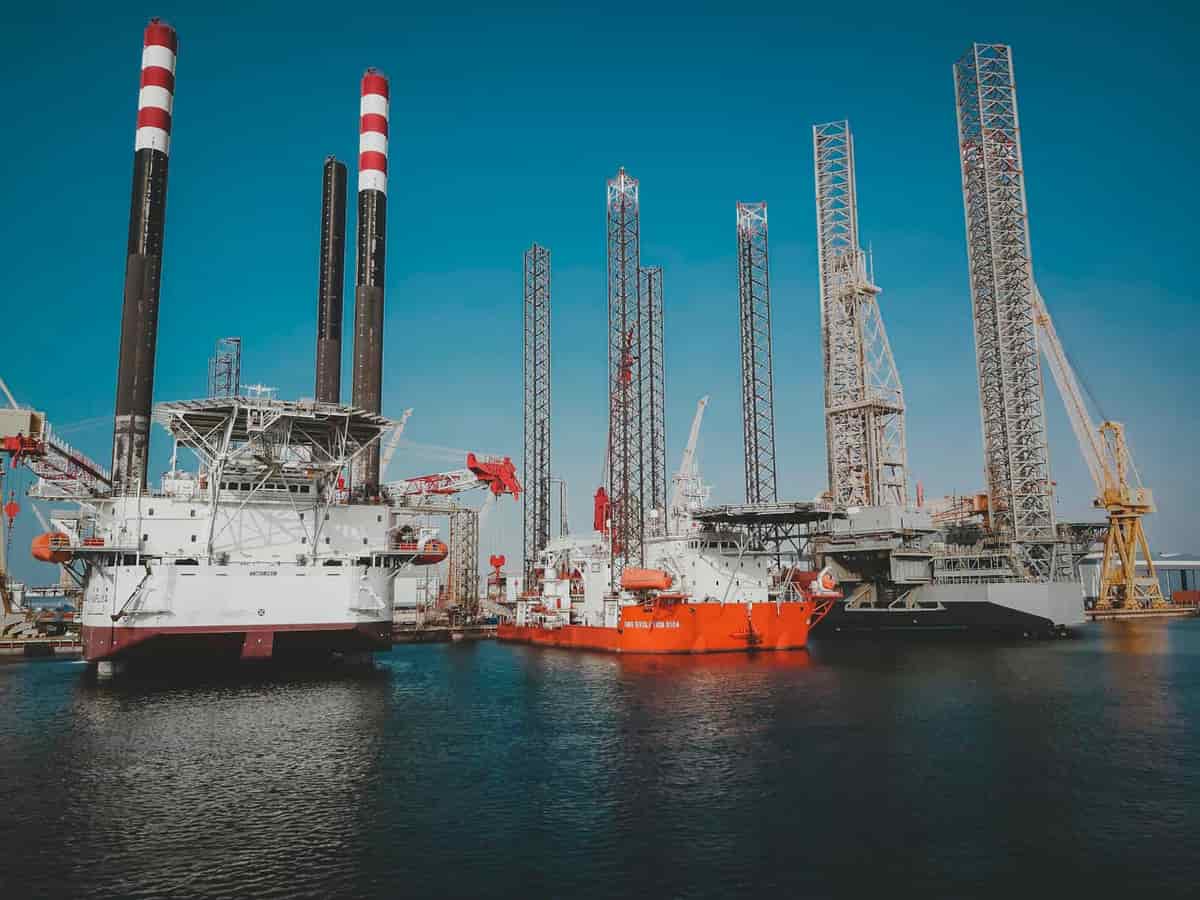
The centerpiece of Suriname's commercial push is the GranMorgu project in Block 58, a $10.5 billion deepwater development operated by TotalEnergies with APA Corporation as partner, with the project moving from planning into execution in 2026 and targeting first oil in 2028 , according to Caribbean Energy Week. OilPrice.com reported that Suriname's long-awaited offshore oil boom, anchored by TotalEnergies' GranMorgu project, promises economic relief but faces mounting geological, financial, and timing challenges .

The development represents a potential turning point for one of South America's poorest nations, though the timeline has stretched considerably from initial projections. The project is targeting roughly 220,000 barrels per day, with construction of a floating production vessel already underway and state firm Staatsolie holding a 20% stake , according to Energy Capital & Power.

Coverage aggregated and synthesized from leading energy-sector publications. See linked sources within the article.

Share this story

More from Stake & Paper

Was this article helpful?

ClaimWatch

Mining claims intelligence — from query to report, in minutes.

Every unpatented mining claim across all twelve BLM states. Leadfile audits, due diligence, site selection, regional prospecting, entity investigations, and AOI monitoring — delivered as complete report packages.

4.4M+
Claims Tracked
12
BLM States
7
Report Types
Request a Sample Report
Stake & Paper AM

One morning brief. The whole energy sector.

Original analysis, the day's most important wire stories, and market data — delivered before your first cup of coffee. Free.